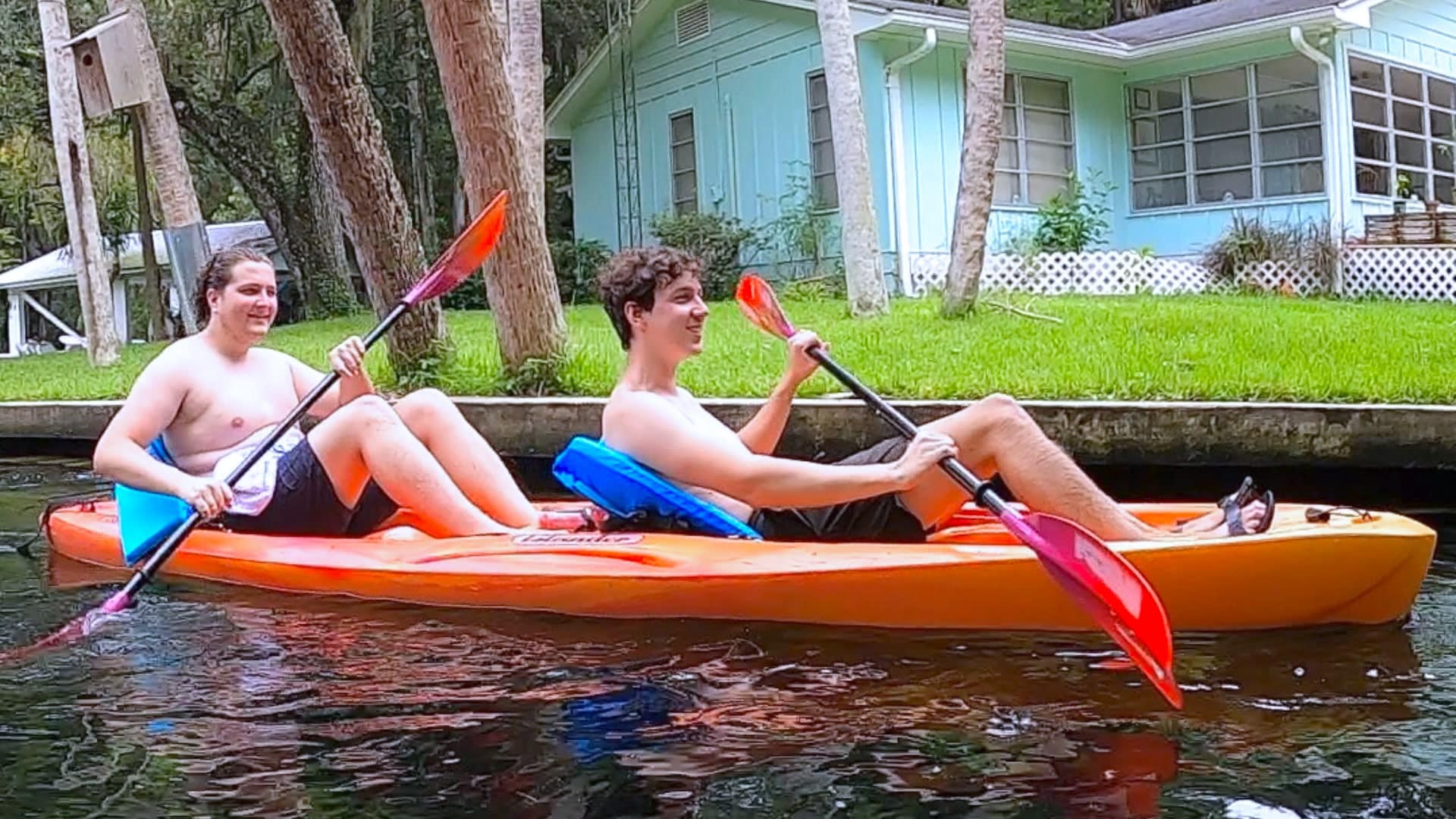
Canoeing in The Villages, Florida — Lakes, Canals & Quiet Waterways
The Villages Canoe Guide

Canoeing in The Villages, Florida — Lakes, Canals & Quiet Waterways

At first glance The Villages reads like a community built around leisure — manicured greens, golf carts, and organized social life. But threaded through that fabric is a quieter, water-born world: a patchwork of small lakes, slow canals, and managed shorelines that makes for accessible, low-stress canoeing. Paddlers here trade whitewater thrills for clear sightlines, abundant wading birds, and the steady rhythm of early-morning glassy water. Canoes are ideal in The Villages because they emphasize easy exploration — glide along the edge of a lily-pad rim, nose into a mangrove-lined inlet, or cross a calm lake under a pastel sunrise. Complementary activities include kayaking and stand-up paddleboarding for shorter, more nimble trips; freshwater fishing for anglers who want to combine a patient cast with scenic paddling; and birdwatching or photography for anyone drawn to close encounters with herons, egrets, and even the occasional alligator watched from a cautious distance. Practical realities matter here: expect low currents but occasional boat wakes from motor traffic, warm weather for much of the year, and a highly developed recreation infrastructure that makes launches, rentals, and short guided excursions straightforward. For travelers seeking a gentle but richly sensory paddling experience — especially those who value accessibility and short, repeatable outings — The Villages offers a series of small water adventures that can be stitched into a morning or an entire day on the water.

Central Florida LakesCanal NetworkLake Sumter

Live destination inventory

Top Canoe Trips in The Villages

9 trips · Book with confidence · Instant confirmation

The prototype intentionally does not invent replacement trip cards or add images that are not already part of the live source page.

The city from the water

Why Canoeing in The Villages Is Distinctive

Canoeing in The Villages is less about conquest and more about close observation. You won't be carving through rapids or crossing long, exposed bays; instead you'll find a network of intimate waterways where the reward is the small detail — the way morning light filters through cypress knees, the soft silhouette of a limpkin stalking the shallows, the distant hum of a golf cart and a homeowner watering a lakeside garden. Those contrasts make The Villages a uniquely Floridian paddling landscape: human-scaled development intersecting with resilient freshwater habitat. The built environment of shorelines, docks, and designated launch points gives paddlers an unusual degree of access. Many lakes are pocket-sized and can be scoped and completed in under an hour, which lowers the barrier for families, retirees, and visitors who want a no-fuss, restorative water outing. The seasonal rhythm here is shaped more by heat, rain, and migratory birds than by freezing winters. Fall through spring often brings the most comfortable temperatures and clear mornings perfect for long, reflective laps around a lake. Summer delivers lush vegetation and dense insect life, along with notorious afternoon thunderstorms that can roll through quickly; timing and awareness matter. Wildlife is abundant and easily observed from a canoe's low, quiet profile: wading birds line the shallows, turtles bask on logs, and every so often an alligator slides into view from the reeds. That presence changes the tenor of a paddle — keeping a respectful distance and controlled pace preserves both safety and the wildlife experience. For planners, The Villages' recreation offices, community centers, and local outfitters make it simple to rent boats, organize guided trips, or access launch sites. That convenience is part of the appeal: paddlers can pair a short morning canoe session with a mid-day meal at a local café, an afternoon of birding at a nearby preserve, or an evening sunset paddle. But the best paddling here is not merely about convenience; it's about rhythm and attention. Canoes invite a slower speed, a posture of listening. You notice how the wind arranges the surface, how the shoreline changes with development and season, and how community life and wildness sit side by side. That makes The Villages particularly well-suited to travelers who want an approachable paddling destination — accessible launches, short route options, and reliable conditions — while still offering enough variation to string together different experiences day after day. From early-morning wildlife loops to afternoon fishing sorties and gentle cross-lake traverses, canoeing here is a series of small, curated encounters with Florida's freshwater edge.

Accessible water access and short routes make The Villages ideal for beginners, families, and repeat daily paddles.

Seasonality is driven by heat and storms rather than freezing temperatures—early morning and late fall through spring are most comfortable.

Activity focus

Choose by purpose

Whale watching, snorkeling, sunset sailing, cultural canoeing, harbor sightseeing, or private chartering.

Departure hubs

Start near the city

Waikiki and Honolulu Harbor are primary hubs, with some trips launching near Hanauma Bay.

Accessibility

Confirm the vessel

Gangways, shaded seating, and boarding requirements vary according to vessel size and operator.

Seasonal planning

Best Time to Visit

The Villages is warm year-round, but wind, swell, migration, visibility, and demand change the best match between traveler and trip.

The Villages boat tour
Year-round destination

Seasonal highlights change the reason to go

Winter favors humpback encounters; warmer, calmer months favor snorkeling visibility and smoother water.

Humpback season

Late fall through early spring is busiest for comfortable paddles and migratory bird activity.

Prime whale watching, winter holidays, higher demand, and earlier sell-outs.

Snorkeling window

October–November–December–January–February–March–April

Typically gentler seas and clearer water for snorkeling trips.

Weather notes

Trade winds year-round

Florida's paddling season is shaped by heat and precipitation rather than freezing temperatures. Fall through spring offers milder air and calmer mornings; summer brings higher humidity, daily afternoon thunderstorms, and increased insect activity. Watch forecasts for wind and thunderstorm advisories—conditions can change quickly.

Quieter opportunities

Late spring & summer weekdays

Summer offers greater solitude and lush vegetation; early-morning launches reduce exposure to heat and afternoon storms. Expect more insects and the possibility of short-lived heavy rains.

Match the trip to your comfort

Choose Your Experience Level

Low effort

Beginner

Short, low-stress paddles on calm neighborhood lakes and protected canals with easy launch points and little navigational complexity.

  • Early-morning wildlife loop on a small lake
  • Short canal paddle to a nearby park
  • Half-hour birdwatching circuit from a community launch
Active day trip

Intermediate

Longer crosses and link-ups between lakes, dealing with occasional wind and boat wakes; some route planning and basic navigation skills recommended.

  • Cross-lake traverse with planned landing at a public dock
  • Multi-lake loop using connecting canals
  • Paddle-and-fish outing with simple anchor-and-cast techniques
Longer or technical

Advanced

Extended day trips that contend with open-water wind, longer distances, variable conditions, and careful time/weather management.

  • Open-lake morning crossing with early start to beat winds
  • Long distance link of multiple lakes requiring route planning
  • Multi-activity day combining paddling, fishing, and photography with mileage goals

Prepare for sun, spray, and swell

What to Bring

Essential

Core kit

  • USCG-approved life jacket (one per paddler)
  • Paddle (plus a spare if available) and small repair kit
  • Dry bag for phone, keys, and any medications
  • Plenty of water and sun protection (broad-brim hat, sunscreen, sunglasses)
  • Footwear that can get wet and offers grip
Recommended

Useful extras

  • Light layers for early-morning or breezy conditions
  • Whistle and small first-aid kit
  • Map of local lakes/canals or a phone with offline maps
  • Insect repellent and quick-dry towel
Optional

Trip-specific

  • Binoculars for birdwatching
  • Small collapsible cooler for snacks
  • Fishing gear (if combining paddling with angling)
  • Camera with waterproof housing
Verify launch access, local rules, and weather before launching.

Insider Tips & Local Knowledge

Reserve whale-watching and popular sunset cruises well ahead during December–April.
Choose morning snorkeling departures for calmer seas and better underwater visibility.
For motion sensitivity, choose a larger vessel, sit mid-ship, and take preventative medication before boarding.
Do not touch coral or wildlife, avoid standing on reefs, and use reef-safe sunscreen.
Community-based operators may add context about traditional navigation and stewardship.
Arrive early for parking and check-in because Waikiki departure areas can be busy.

Planning questions

Frequently Asked Questions

Most casual paddling on neighborhood lakes and canals does not require a special permit, but some managed boat ramps or nearby state parks may charge launch fees. Florida law also requires vessel registration where applicable. Check local recreation center rules and posted signage at launch points before heading out.
Canoeing in The Villages, Florida — Lakes, Canals & Quiet Waterways
Ready for your canoe adventure?

Browse 9 verified trips in The Villages.

Compare current availability and book with instant confirmation.

Explore The Villages canoe