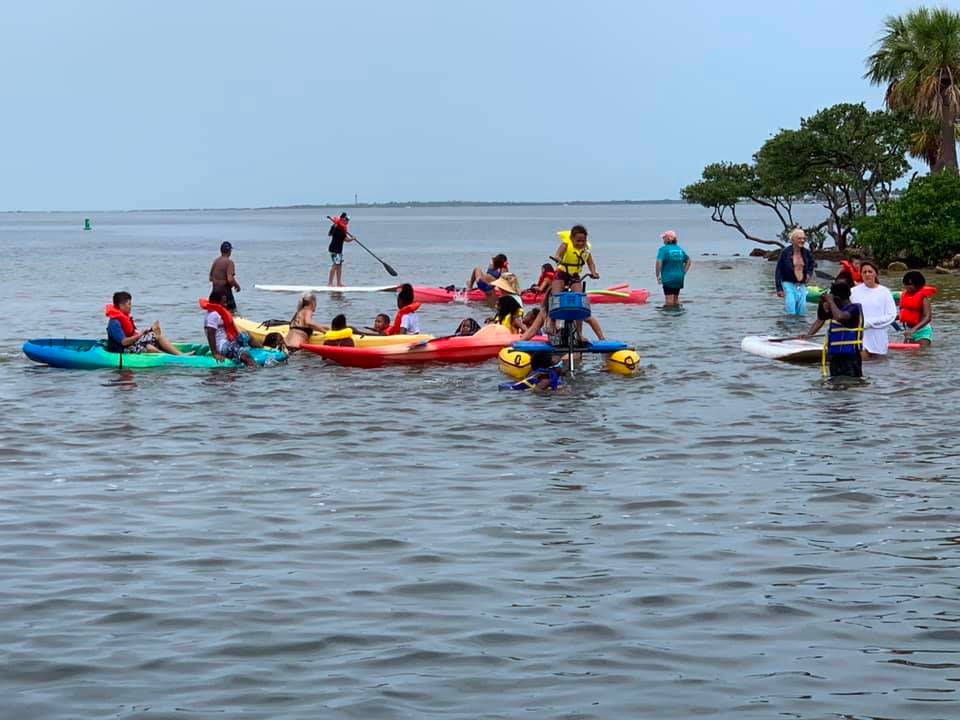
Stand‑Up Paddleboarding in Tarpon Springs, Florida

Tarpon Springs, Florida

Tarpon Springs pairs the slow, glassy waterways of west‑central Florida with a living maritime history—an ideal place to explore on a SUP. Expect sheltered estuaries, spring-fed clarity in some channels, and easy coastal paddles with a strong cultural backdrop.

21
Activities
Year‑Round (best Apr–Oct)
Best Months

Top SUP Trips in Tarpon Springs

21 trips • Book with confidence • Instant confirmation

Why Tarpon Springs Is a Stand‑Up Paddleboarding Destination

Tarpon Springs feels like a place where water remembers people. The sponge docks and low waterfront buildings are not just scenery—they are the living score to every paddle: fishing boats slide past, pelicans patrol the shallows, and salt air carries the faint tang of citrus. On a board here you move at the same pace as the town’s maritime memory, discovering small islands, winding creeks, and stretches of open gulf that change from calm blue to wind‑rippled silver within a few miles.

What makes Tarpon Springs particularly friendly to SUP is variety within a compact radius. The Anclote River and Spring Bayou offer placid, protected water for beginners and families—long, low tidal flats and mangrove corridors that shelter wildlife and reduce chop. A short push across the bay opens up into Gulf water and the small barrier of Anclote Key, where open‑water paddles reward experienced boarders with sandbars, shorebird colonies, and wide horizons. The tidal nature of the region means paddling routes can be shaped by the day: aim with the tide for easy outings, and you’ll find long, lazy returns with the current at your back.

Beyond pure scenery, Tarpon Springs offers a cultural layer few coastal paddle towns can match. The legacy of sponge diving and Greek immigrant communities is visible onshore—harborside bakeries, fishing vessels, and the chorus of different languages—so a SUP trip can easily fold into a half‑day of exploring markets and waterfront cafés. For active travelers, the town’s waters pair naturally with snorkeling at shallow reefs, coastal birdwatching, and light fishing from a board. Local conditions favor all these hybrids: calm estuary launches for dawn wildlife paddles, midday gulf runs for a wind and cardio push, and evening flatwater sessions timed for golden light over the docks.

Practical planning matters here. Tides, afternoon sea breezes, and boating traffic are the shaping forces of a safe, satisfying paddle. But with simple prep—checking tide tables, launching from a protected ramp, wearing a leash and PFD—you can spend hours scanning the water for manatees and rays, watching sponge boats drift like slow memories, and feeling that rare pleasure of being both part of a place and moving gently through it.

Varied water types: sheltered rivers and bayous for calm learning, plus access to open Gulf paddles and short island crossings for more ambitious trips.

Cultural complement: combine SUP with snorkeling, shoreline birding, and a visit to the historic sponge docks for food and local color.

Activity focus: Stand‑Up Paddleboarding (flatwater, coastal, estuary)
Suitable for beginners in designated sheltered areas
Tides and afternoon sea breezes shape routes—check conditions before launching
Combine paddles with snorkeling, fishing, or a sponge docks stroll
Wildlife: manatees, dolphins, wading birds, and juvenile rays are commonly sighted

Best Time to Visit

Best Months

AprilMayJuneSeptemberOctober

Weather Notes

Spring and fall bring stable temperatures and lighter winds; summer is warm and humid with higher afternoon thunderstorm risk, while winter is mild and quieter on the water. Morning paddles usually offer the calmest conditions.

Peak Season

Late spring to early fall—warmer, busier waterways and more rental activity.

Off-Season Opportunities

Winter offers solitude and clear days for wildlife viewing; some rental options may have reduced hours.

Frequently Asked Questions

Are there places to rent SUPs near Tarpon Springs?

Yes—local outfitters and waterfront shops rent boards and typically include paddles, PFDs, and basic orientation. Hours and availability vary, so call ahead, especially on weekends.

Do I need experience to paddle locally?

No for sheltered estuaries and bayous—many launch sites are beginner friendly. For open‑water and island crossings, prior experience with wind, tides, and self‑rescue techniques is recommended.

Are permits required to launch or paddle?

Launch rules vary by park or ramp; public boat ramps and parks are common launch points. Check local park regulations for vehicle parking rules and any special permits for commercial guiding.

Choose Your Experience Level

Beginner

Flatwater estuary paddles, short taming sessions on calm mornings, and guided orientation lessons.

  • Easy paddle on Spring Bayou
  • Guided nature tour in Anclote River channels
  • Family flatwater outing near local parks

Intermediate

Longer shoreline cruises, paddles through mixed mangrove and seagrass zones, and short open‑water crossings in light winds.

  • Coastal cruise along the Gulf shoreline
  • Tidal circuit through mangrove creeks
  • Snorkel‑and‑paddle outing near shallow reefs

Advanced

Long open‑water routes and island hops that require planning for tides, wind, and weather; benefit from experience with navigation and emergency protocols.

  • Planned crossing to Anclote Key (weather‑dependent)
  • Extended Gulf endurance paddle with support
  • Self‑guided multi‑site coastal exploration

Insider Tips & Local Knowledge

Check tide tables and wind forecasts; respect boat channels and commercial traffic; always wear a leash and PFD when conditions warrant.

Launch from designated ramps and parks for the easiest access—early morning launches are calmer and cooler. If you’re new to the area, rent from a local outfitter who can point out current conditions, tide patterns, and quiet launch spots. Keep clear of marked navigation channels and be prepared for gusty sea breezes in the afternoon; flip practice and a self‑rescue plan pay off when you venture toward the gulf. Bring reef‑safe sunscreen and a dry bag for essentials, and pause at the sponge docks after your paddle for a meal—Tarpon Springs is as much about the shoreline culture as the water. Finally, be mindful of wildlife: keep distance from manatees and nesting birds, and avoid paddling through seagrass beds when possible to protect fragile habitats.

What to Bring

Essential

  • USCG‑approved PFD (required in many jurisdictions) and SUP leash
  • Quick‑dry clothing and sun protection (hat, rashguard, reef‑safe sunscreen)
  • Waterproof phone case or dry bag
  • Footwear for rocky or algal launch points
  • Plenty of water and light snacks

Recommended

  • Tide and wind check via app or local report
  • Basic repair kit for inflatable boards and a hand pump if using an iSUP
  • Light first‑aid kit and whistle
  • Sunglasses with retention strap
  • Map of local launch points or a guidebook

Optional

  • Binoculars for birding
  • Underwater camera for shallow reef snaps
  • Compact anchor or tie‑off for short swims/snorkel stops
  • Insect repellent for mangrove and marsh launches

Ready for Your SUP Adventure?

Browse 21 verified trips in Tarpon Springs with instant booking

Explore Top 15 Tarpon Springs, Florida Adventures →