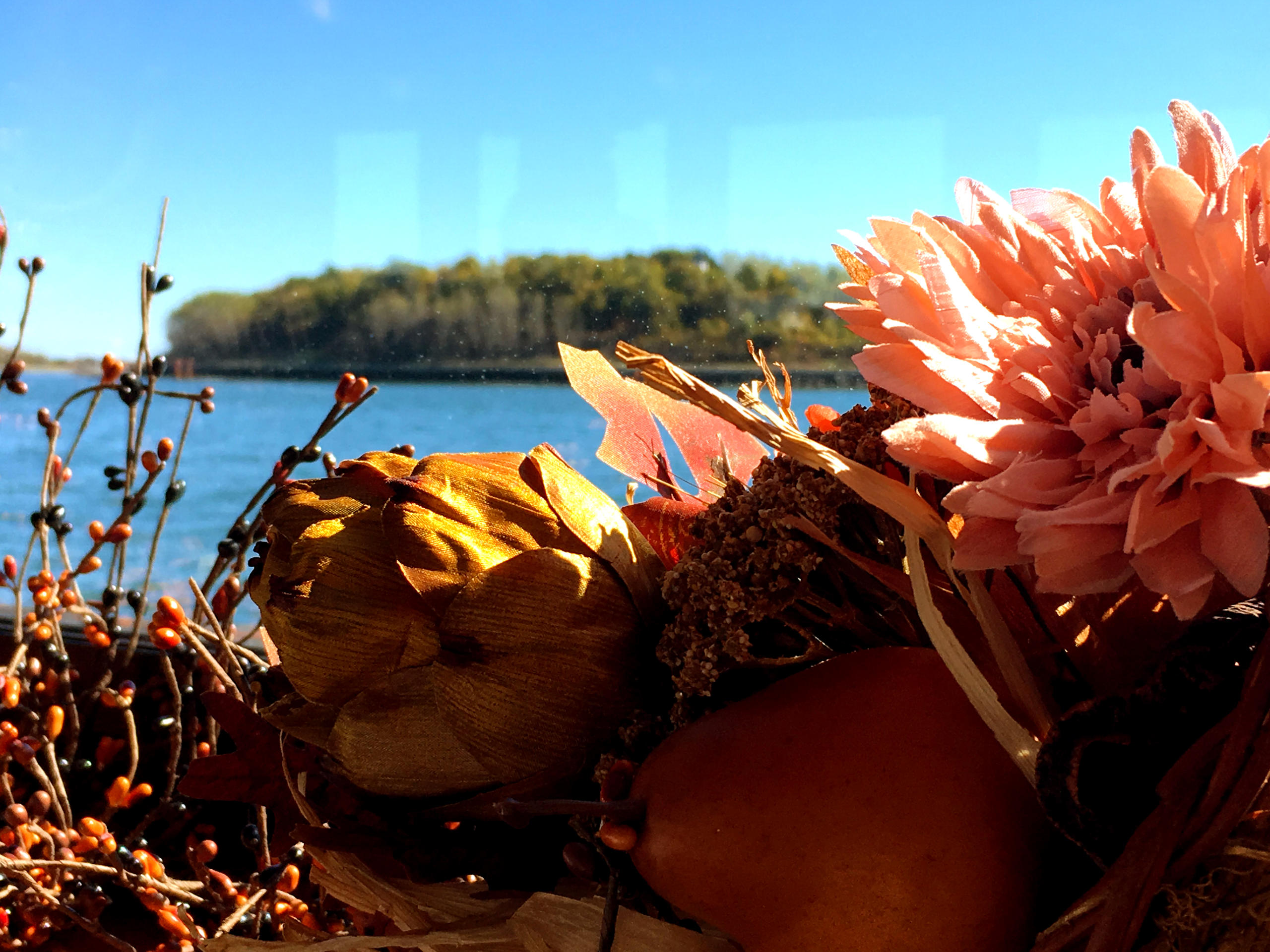
Top Fishing Adventures in Swampscott, Massachusetts

Swampscott, Massachusetts

Swampscott’s shoreline is compact but rich: rocky points, sandy beaches, and a small harbor give anglers easy access to everything from hungry striped bass in spring to tussling tautog near shipwrecks. Close to Salem Sound and open Atlantic lanes, this seaside town is a practical home base for shore, pier, and light offshore fishing—ideal for anglers who want fast access to productive water without the long drive out of Boston.

29
Activities
Spring–Fall
Best Months

Top Fishing Trips in Swampscott

29 trips • Book with confidence • Instant confirmation

Why Swampscott Is a Standout Fishing Destination

On the map, Swampscott looks small: a few miles of coastline tucked between Marblehead and Lynn. On the water, the place opens up. Tides that funnel through Salem Sound concentrate bait and gamefish, while scattered ledges and rocky points create ambush zones for striped bass, bluefish, and tautog. The rhythm of the tides and the proximity to both protected sound and open ocean lanes mean that you can cast from a quiet jetty at dawn and reach productive winter or spring grounds with a short boat ride.

Fishing in Swampscott is a study in contrasts: low-key shore sessions on King’s Beach and Phillips Point; technical rock-fishing for tautog and scup around submerged structure; and quick offshore runs targeting cod in spring or pelagics during summer. It’s a town built on a maritime past, where small-town piers and a handful of launch points give anglers practical options without big marina congestion. That makes Swampscott ideal for anglers who value efficiency—ease of parking, quick launching, and fast access to current lines and drops.

Beyond the fish, there’s a cultural and ecological layer worth noting. The North Shore’s fishing traditions are still visible—bait shops with handwritten tide boards, local captains trading reports on radio channels, and an ethic of knowing tides, moon phases, and where the bait is holding. At the same time, the waters here are closely watched: local conservation groups and state fisheries managers monitor stocks and closures, and seasonal regulations shape when and how each species can be targeted. That makes fishing here both immediate and responsible. For travelers, Swampscott offers a balanced experience: stories to bring home, fish to eat, and access to larger regional opportunities—chartered tuna trips from Gloucester, kayak explorations of the Sound, and coastal birding along the marshes—without the logistical friction often associated with prime East Coast fisheries.

Short drives put you into productive water: in many cases a 20–30 minute run lands you on working bait lines or structure-rich ledges.

The town’s mix of beaches, rocky points, and small harbor launches supports shore, boat, and guided trips for anglers at all levels.

Swampscott connects to broader North Shore fisheries—seasonal migrations bring species variety from spring cod to summer bluefish and late-season stripers.

Activity focus: Saltwater fishing—shore, pier, and light offshore
Species commonly targeted: striped bass, bluefish, tautog, scup, flounder, seasonal cod and migratory pelagics
Several public launch points and nearby marinas for charter access
Tides and structure drive success; local knowledge is especially valuable
Regulations vary seasonally—check state size and bag limits

Best Time to Visit

Best Months

MayJuneJulyAugustSeptember

Weather Notes

Late spring through early fall offers the most consistent warm-water action and calmer seas for small boats. Early mornings and evening tides are often cooler and more productive. Summer can bring northeasterly winds; check forecasts and marine weather before launching.

Peak Season

Late May through September—peak striped bass and bluefish migration months.

Off-Season Opportunities

Springtime offers cod and tautog opportunities near ledges; winter surfcasting and inshore outings are possible but weather-dependent and often require insulated gear and caution on slippery rocks.

Frequently Asked Questions

Do I need a fishing license in Swampscott?

Yes. Massachusetts saltwater anglers aged 16 and older need a state saltwater recreational fishing registry or license. Check the Massachusetts Division of Marine Fisheries for current requirements.

Where can I launch a small boat?

Swampscott has small public launch areas and nearby marinas. Some launches are tide-dependent and best for small skiffs or inflatables; for larger boats consider nearby full-service marinas in Salem or Lynn.

Is shore and rock fishing safe here?

Rock and point fishing can be productive but carries risk—slick seaweed, sudden waves, and slipperiness are common. Use proper footwear, monitor swell and tide, and fish conservatively during rough conditions.

Choose Your Experience Level

Beginner

Accessible shore and pier fishing with straightforward gear and high reward—great for family outings and casual anglers.

  • Morning surfcast for striped bass at King’s Beach
  • Pier or jetty bluefish session with soft-plastic lures
  • Guided half-day inshore trip for flounder and scup

Intermediate

Boat-based trips into Salem Sound and targeted rock fishing requiring better tide and structure knowledge.

  • Tautog and scup tactics around known ledges
  • Drift and chum trips for midday bass and bluefish
  • Light offshore runs to nearshore wrecks in summer

Advanced

Longer offshore runs, technical bottom fishing for tautog on rough ground, and surfcasting in dynamic conditions—requires solid boat-handling and advanced tackle.

  • Multi-hour offshore expeditions for seasonal cod or pelagics
  • Advanced rock-fishing on exposed points in mixed swell
  • Night-time stripers from headlands on tidal swings

Insider Tips & Local Knowledge

Tides, bait, and structure matter more than flashy gear. Respect local closures and conservation measures.

Talk to local bait shops and captains—the day’s tide and bait reports often point you to productive spots. Time your sessions to the incoming or outgoing tide near structure; many species stack along edges and current seams. For shore fishing, arrive near high tide for best access to feeding fish but watch for receding water and slippery rocks. If you’re launching a small skiff, scout the ramp at high and low tide to understand access limitations. Consider hiring a local guide for your first trip—guides accelerate learning about seasonal patterns and safe access points. Finally, pack out all tackle and line; discarded fishing line is a major hazard for seabirds and marine life.

What to Bring

Essential

  • Appropriate Massachusetts saltwater fishing license
  • Tackle matching the target species (medium-action spinning and boat rods)
  • Tide chart or phone app with local tides
  • Layered clothing and foul-weather gear
  • Pliers, fillet knife, and a small first-aid kit

Recommended

  • Rigid or collapsible fish cooler with ice
  • Lead-core or braided line for casting into current
  • Weighted rigs for tautog and bottom species
  • Boat shoes or sticky-soled footwear for rock fishing
  • Handheld VHF or charged phone in waterproof case

Optional

  • Lightweight kayak or paddleboard for nearshore flats
  • Underwater camera or GoPro for structure scouting
  • Binoculars for tracking birds and bait pods

Ready for Your Fishing Adventure?

Browse 29 verified trips in Swampscott with instant booking

Explore Top 15 Swampscott, Massachusetts Adventures →