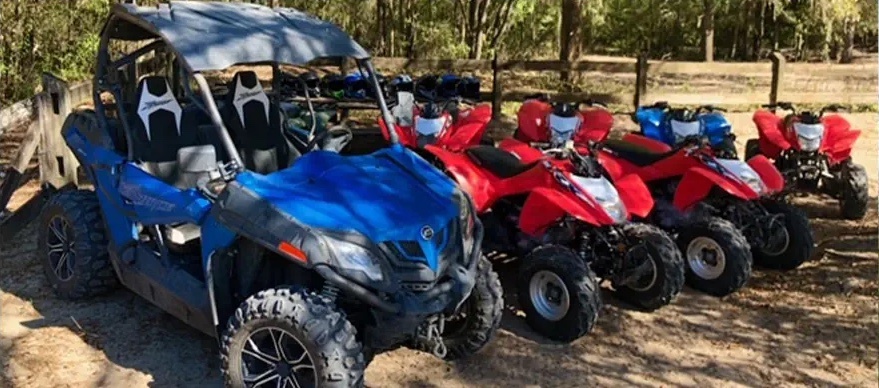
Top 17 ATV & UTV Adventures in Sumterville, Florida
Sumterville trades coastal spectacle for the slow, satisfying discipline of inland Florida riding: sandy two-tracks, scrub oak ridges, seasonal wetlands, and ranchland that opens like a map of possibilities for ATVs and UTVs. This guide focuses on the 17 best ways to get off-road around Sumterville—whether you’re booking a guided UTV tour, following old logging roads, or scouting a private-ranch loop. Expect easy access from nearby towns, varied terrain that rewards nimble suspension over sheer speed, and a riding culture that pairs practical know-how with southern hospitality.
Top ATV/UTV Trips in Sumterville
17 trips • Book with confidence • Instant confirmation
Why Sumterville Is a Standout ATV/UTV Destination
Sumterville sits in a quieter pocket of Central Florida where the landscape is a study in contrasts: broad, low-lying wetlands that swell in the rainy season, long runs of sandy pine flatwoods, and pocketed scrub ridges that catch the wind and give riders a rare sense of rolling terrain in a state better known for its flatness. For the ATV/UTV traveler, that variety matters; different soils and micro-terrain create riding that is technical in small doses and restorative in long ones. Two-track roads and old hauling trails—left behind by decades of timber work and ranching—form an informal network that rewards local knowledge and careful exploration. Those who arrive with a map or a knowledgeable guide find loops that pair low-speed technical sections with open stretches where riders can feel the vehicle settle and eat up sandy miles.
The human geography of Sumterville amplifies the experience. This is working-country Florida: cattle ranches, hunting leases, and family-run outfitters anchor the region and provide access points to trails that might otherwise remain private. Local operators understand seasonal tides—where the sand firms up after a dry spell, which cypress domes stand guard over flooded pinelands, and when conservation closures or cattle movements require alternate routing. That stewardship mindset tends to keep riding sustainable and respectful; many of the area's better loops exist because land stewards and riders negotiated access with clear expectations about gates, signage, and trail etiquette. Riders who show up with respect for private property, an awareness of wildlife, and a willingness to follow posted rules will find an inviting network of routes.
For travelers who want variety beyond throttle time, Sumterville links cleanly to related outdoor experiences. Birding and photography are natural companions—sandhill sparrows, wading birds in seasonal marshes, and raptors on thermals over cleared pastures make for compelling roadside stops. Anglers and paddlers find quiet coves on nearby lakes and sloughs, while horseback trails and hiking corridors paralleling some service roads offer multi-use recreation options. Camping options range from rustic car-camping near trailheads to small private ranch sites for guided multi-day UTV outings. The cultural layer—farm stands, old-style diners, and the small-town calendar of fairs and local events—keeps the after-ride hours as rewarding as the trails themselves.
Practical considerations shape when and how to ride here. The dry winter months are the obvious choice: sand firms, creek crossings drop, and bugs recede. Come wet-season, the same terrain turns into a network of soft sand and standing water that can bog machines and make certain routes impassable without deep expertise. Mechanical preparation is essential—suspension and tires that can handle sand, tools for basic field repairs, and a plan for towing if a machine goes down. Because formal trail signage can be sparse, navigation skills matter: a reliable GPS, offline maps, or a local guide will save time and preserve access. Finally, Sumterville’s appeal lies less in adrenaline-fueled racing and more in route-finding, scenic creek crossings, and the tactile satisfaction of riding land shaped by water, wind, and human hands over generations.
The riding style here is pragmatic: technical when the scrub and root systems demand it, but mostly about reading terrain and managing traction across sand, loam, and occasional clay. Expect short technical segments, long sandy runs, and creek or ditch crossings after rain.
Many of the best routes require permission or a commercial operator. Booking a guided UTV tour often provides access to private loops, local knowledge about seasonal closures, and on-the-ground support for mechanical issues.
Best Time to Visit
Best Months
Weather Notes
Winters are typically mild and drier—ideal for firm sand and stable trail conditions. Summers bring high heat, humidity, and frequent afternoon thunderstorms; trails can become soft or flooded in the wet season (May–October). Check forecasts and recent local trail reports before heading out.
Peak Season
Late winter to early spring (January–March) when riding conditions are most reliable.
Off-Season Opportunities
Summer can offer solitude and lower rates—expect more mud, standing water, and insect activity. Early mornings are best for avoiding heat and storms.
Frequently Asked Questions
Do I need permits to ride ATVs/UTVs around Sumterville?
Permit requirements vary by landowner and trail. Many public forest roads are open, but private ranch loops require permission or a guided tour. Always check with land managers or your rental/operator for up-to-date access rules.
Are rentals and guided UTV tours available locally?
Yes. Local outfitters and nearby towns host UTV rental and guided-ride services that include route planning, safety briefings, and sometimes pickup/drop-off. Book ahead during peak months for the best selection.
What safety precautions should I take for Florida-specific risks?
Bring sun protection and hydration for heat exposure, insect repellent for mosquitos and biting flies, and be prepared for quick weather changes. Respect wildlife and cattle; crossing livestock fields may require following posted directions. Carry a basic repair kit and a plan for recovery if a vehicle becomes stuck.
Choose Your Experience Level
Beginner
Short, guided loops on well-maintained two-tracks and ranch roads. These rides emphasize vehicle familiarization, basic trail etiquette, and low-speed technical practice.
- Guided UTV ranch loop (2–3 hours)
- Beginner-friendly two-track introduction ride
- Half-day scenic loop with frequent stops
Intermediate
Longer self-guided or guided loops with varied surfaces—sandy stretches, shallow creek crossings, and sections that require careful throttle control and line choice.
- Full-day sand and scrub loop
- Mixed-terrain route combining forest roads and open pastures
- Guided photography ride with short technical sections
Advanced
Extended backcountry loops, multi-day ranch runs, or technical sections that demand expert handling, advanced recovery skills, and self-reliance for mechanical issues.
- Multi-day private-ranch UTV expedition
- Extended wet-season route with variable water crossings
- Long remote loop requiring navigation and self-supported recovery gear
Insider Tips & Local Knowledge
Verify access and conditions before you go; local outfitters and land managers are the best sources for up-to-date trail status.
Start rides early in warm months to beat heat and afternoon storms. If you hire a guide, ask about alternate routes for the wet season; many outfitters maintain seasonal maps. Respect gates and private property—seek permission where posted, and follow any instructions about cattle or wildlife. Carry more water than you think you need and plan for a slower average speed than open desert riding—you’ll spend time choosing lines through sand and around wet spots. When venturing off marked loops, leave a trip plan with someone and consider a satellite communication device for remote sections. Finally, support local businesses: fuel, food, and mechanical help in the nearest towns keep the riding community healthy and trails accessible.
What to Bring
Essential
- DOT-approved helmet and eye protection (if required by operator)
- Tire repair kit and spare tire or bead-seating tools
- Portable air pump or compressor
- Tool kit for basic field repairs and recovery straps
- Water (1–2 liters per person for half-day; more for full days) and high-energy snacks
Recommended
- Closed-toe boots and long pants to protect legs and ankles
- GPS device with offline maps or a phone with downloaded route files
- Lightweight gloves and layered sun protection (hat, sunscreen)
- Small first-aid kit and insect repellent
- Vehicle recovery gear (winch-rated straps, shackles) for remote runs
Optional
- Dry bag for phone/camera during creek crossings
- Compact two-way radio or satellite messenger for remote areas
- Spare fuel in an approved container for long ranch loops
Ready for Your ATV/UTV Adventure?
Browse 17 verified trips in Sumterville with instant booking
Explore Top 15 Sumterville, Florida Adventures →