1

Top Kayak Adventures in Sullivan's Island, South Carolina

Sullivan's Island, South Carolina

Tucked where the Atlantic meets salt marsh and shipping lanes, Sullivan's Island compresses a surprising breadth of paddling into a short coastline. Kayakers find calm back-bays, tidal creeks threaded with spartina grass, surfable sandbar runs and long, low-slung shorelines that reveal migrating birds, dolphins, and the slow choreography of coastal life. This guide distills those options — surf launches, estuary loops, guided eco-paddles, and island crossings — into practical routes and seasonal sense so you can plan a safe, memorable day on the water.

30
Activities
Best spring–fall; summer mornings
Best Months

Top Kayak Trips in Sullivan's Island

30 trips • Book with confidence • Instant confirmation

Why Sullivan's Island Is a Standout Kayaking Destination

Sullivan's Island is an intimate coastal laboratory for paddlers — one where tides and winds orchestrate daily shifts in where you can go and what you'll see. Picture launching from a narrow public ramp before sunrise, the low salt marsh glowing gold, and a channel of glassy water that threads between oyster beds and marsh grass. A half-hour later that same channel can be a lively thoroughfare of current and eddies as the tide swings. That dynamism is the central appeal: short trips can feel remote and wild, while longer itineraries let you edge toward seaward surf, historic forts, and neighboring barrier islands.

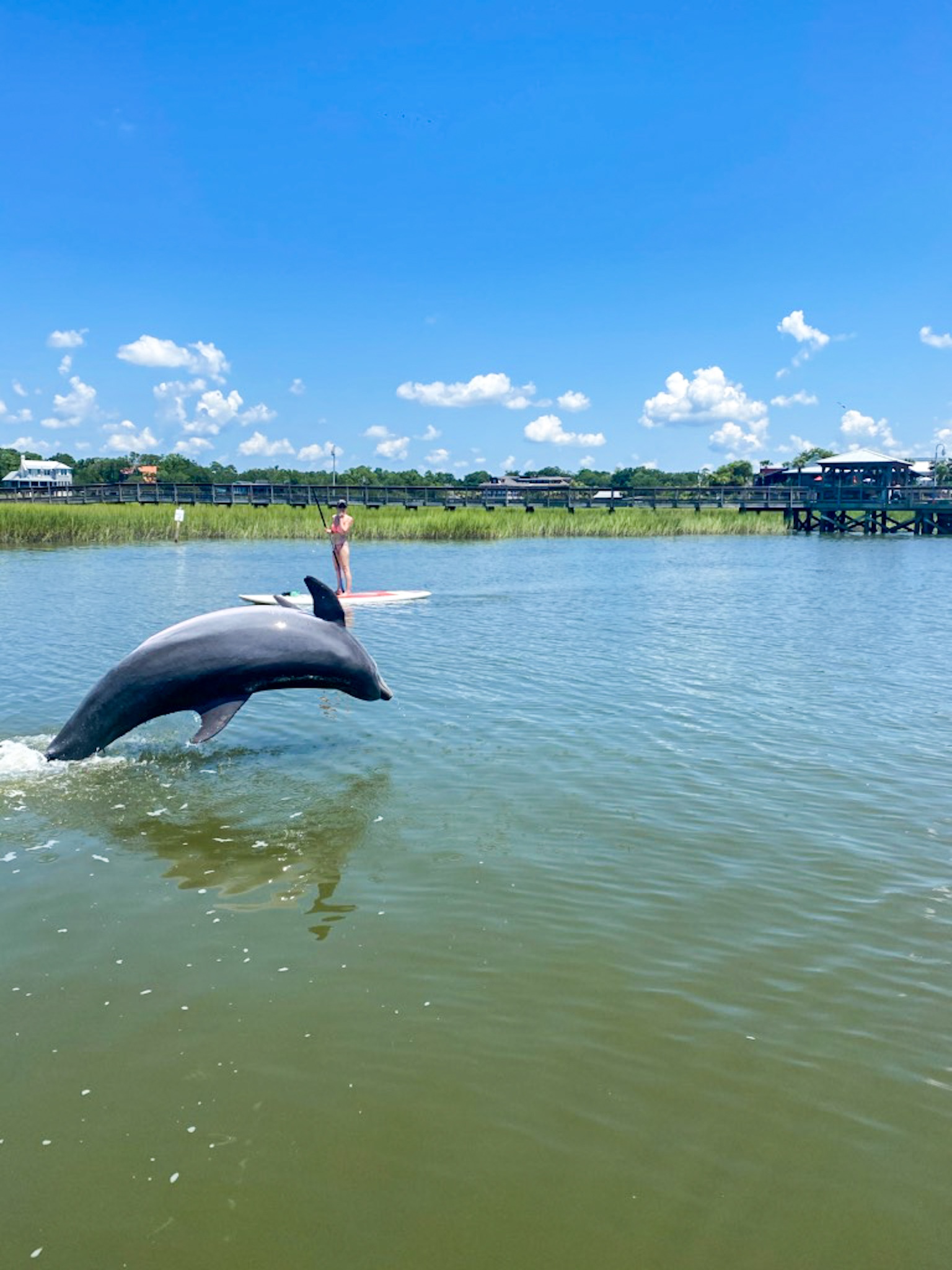
The island compresses a variety of coastal kayaking into a handful of miles. On any given outing you can paddle low, quiet creeks whose banks are a cathedral of fiddler crabs and marsh wrens; cross the Intracoastal Waterway on a calm morning to watch dolphins hunt in the shipping channel; or time a launch to surf a soft right off the north jetty. For nature-minded paddlers the marsh edges are a live atlas of seasonal migration — wintering waterfowl, spring songbird stopovers, and the neon flashes of summer terns and skimmers. Sea turtles sometimes surface near the inlets; bottlenose dolphins are frequent companions along the sand flats.

Sullivan's Island is also stitched into regional history, so a paddle doubles as a cultural route. Fort Moultrie stands sentinel near the island's south end, a Civil War and Revolutionary War landmark that is visible from certain points along the shore and makes for a compelling turnaround destination on longer paddles. The island's human-scale roads, low-profile hotels, and quiet residential stretches mean launches are rarely far from amenities, but the shoreline moods remain remarkably coastal and unscripted.

For planning: tides matter here more than elevation. Many of the best routes — oyster bar skirtings, mudflat crossings, sandbar runs — are accessible only at certain tide windows. Wind dictates whether an estuary paddle stays easy or becomes a long slog; mornings are calmer in summer and ideal for longer explorations. Because launch points are compact and popular on weekends, mornings and weekdays both offer different experiences: sunrise for solitude and wildlife; late morning and afternoon for families, surf sessions, and guided tours.

Complementary activities slot naturally into a paddling trip. Birding and photography require low, slow paddles; surf anglers can combine kayak launches with light tackle fishing; stand-up paddleboarding and beachcombing are convenient alternatives when wind picks up. Whether you’re chasing a gentle bay loop with a rental kayak or prepping for a tidal crossing in a sea kayak, Sullivan's Island delivers a coastal microcosm that rewards careful timing and a curious eye.

The island's short distances mean you can stitch together a half-day of varied water: marsh channels in the morning, an inlet reconnaissance midday, and a sunset curl along the beach.

Tides and wind dominate route safety and enjoyment; local outfitters and tide charts are essential planning tools.

Wildlife viewing is excellent year-round, though migrants, nesting shorebirds, and calving dolphins shift with the seasons.

Activity focus: Coastal kayaking — estuaries, inlets, and nearshore ocean
Number of listed kayak experiences: 30
Launch points are compact—plan for limited parking at peak times
Tide timing often determines accessible routes
Good mix of guided eco-paddles, rentals, and self-guided runs

Best Time to Visit

Best Months

AprilMaySeptemberOctober

Weather Notes

Spring and fall provide the most comfortable paddling temperatures and milder winds. Summer mornings are calm but afternoons can quickly produce sea breezes and thunderstorms; afternoons can be windy for open-ocean paddles. Winter brings cooler air and more persistent northwesterly winds; protected back-bays are usually still paddleable.

Peak Season

Late spring and summer weekends see the most beach and rental traffic; Memorial Day through Labor Day are busiest.

Off-Season Opportunities

Late fall and winter weekdays offer quieter waterways and excellent birding; mornings often provide calm conditions for longer, uninterrupted paddles.

Frequently Asked Questions

Do I need a permit to kayak around Sullivan's Island?

Most recreational kayak launches from public access points do not require a permit. Specific protected areas or guided commercial operations may have different rules; verify with local authorities or outfitters for restricted zones.

Where are the best launch points?

Public launches at the town municipal ramp, neighborhood beach access points, and small parking lots near Fort Moultrie are common. Space is limited on busy days, so arrive early or coordinate with a local outfitter.

Are rentals and guided tours available?

Yes. Local outfitters provide sit-in and sit-on-top kayaks, guided eco-paddles, sunset tours, and lessons. Reservations are advisable during summer and holiday weekends.

How important are tides and currents for route planning?

Very important. Tide windows affect mudflat exposure, sandbar crossings, and current speed in the inlets and Intracoastal channels. Always check tide tables and plan conservative crossings.

Choose Your Experience Level

Beginner

Short, sheltered paddles in protected back-bays and tidal creeks. Suitable for first-time kayakers and families using rentals or sit-on-top kayaks.

  • Marsh loop from the public municipal ramp
  • Guided eco-paddle through tidal creeks
  • Calm bay birding and photography trip

Intermediate

Longer estuary loops, crossings of wider tidal channels, and beach launches that require handling wind or small surf. Paddlers should be comfortable with basic self‑rescue and route planning.

  • Intracoastal Waterway shuttle paddle
  • Morris Island approach and shoreline reconnaissance
  • Tidal creek network exploration at mid-tide

Advanced

Open-ocean paddles near inlets, surf launches and landings, and longer down-coast crossings where prevailing winds and currents require advanced navigation and contingency planning.

  • Crossing to adjacent barrier islands on an ebbing tide
  • Long coastal downwind runs along the surf line
  • Night or early-morning navigational paddles for migrating birds and marine mammal encounters

Insider Tips & Local Knowledge

Check tides, watch the wind forecast, and ask a local outfitter about recent changes to sandbars and channel shoaling before attempting inlet or ocean crossings.

Launch early for calm water and wildlife; mornings are usually glassier than afternoons. Time inlet crossings to slack or an outgoing tide to minimize current strength. When paddling near oyster beds and mudflats, stay in discernible channels to avoid grounding and to protect habitat. If you see shorebird roped-off nesting areas, give them wide berth—local nesting seasons are enforced and breeding birds are sensitive to disturbance. Pack layers and a dry bag for essentials; even on warm days a wet exit can cool you quickly. For surf launches, practice exits on benign days with an instructor and use a leash on sit-on-top boards if also paddleboarding. Finally, support local outfitters who provide up-to-date tide advice, route recommendations, and guided experiences that both enhance safety and deepen understanding of the island’s coastal ecology.

What to Bring

Essential

  • Coast Guard–approved PFD (personal flotation device)
  • Waterproof dry bag for layers and phone
  • Tide and currents information (chart or app)
  • Sun protection: hat, polarized sunglasses, reef‑safe sunscreen
  • Hydration and energy snacks

Recommended

  • Spray skirt (for sea kayaks) or bungee rigging for gear security
  • Bilge pump or sponge for sit-on-top paddlers
  • Whistle and lightweight VHF or personal locator beacon (PLB) for remote crossings
  • Quick‑dry paddle clothing and neoprene booties during cooler months
  • Map or navigation app with downloaded offline charts

Optional

  • Lightweight camera with waterproof housing
  • Fishing setup for inshore angling (check local regulations)
  • Binoculars for birding
  • Wetsuit or splash top for colder shoulder seasons

Ready for Your Kayak Adventure?

Browse 30 verified trips in Sullivan's Island with instant booking

Explore Top 15 Sullivan's Island, South Carolina Adventures →