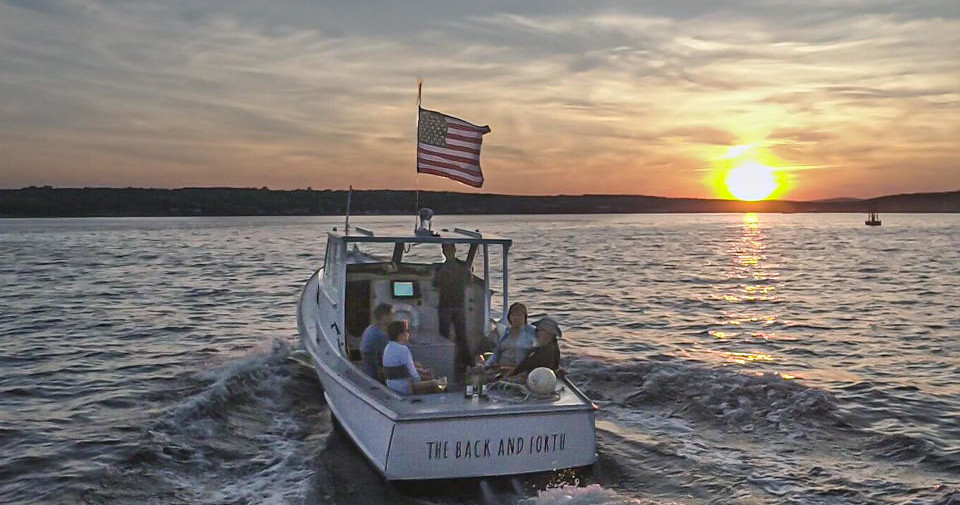
Why Stockton Springs Is a Standout Boat-Tour Base
There’s a particular hush that settles over a small Maine harbor just before a tour launches: the slap of a mooring line, a gull's impatient cry, the metallic rattle of a lobster trap being shifted to a new mark. In Stockton Springs that hush gives way to an immediate sense of place—the meeting of a working waterfront and the open sweep of Penobscot Bay. Boat tours here don’t pretend to be remote wilderness cruises; they are intimate, human-scaled passages that let you read the coastline as a living map of geology, industry, and sea life. From the low, pink granite of Cape Jellison to the shadow of Fort Knox across the river, every cove and buoy tells a story of tides and trade.
What distinguishes Stockton Springs is its scale and accessibility. Unlike larger ports where tours can feel like theatrical productions, the boat experiences here are pragmatic and tactile. You'll feel the swell under your feet, smell seawater and diesel in equal measure, and watch a lobster boat set its traps while the captain explains the rhythm of the season. That proximity brings a sharper appreciation for the interdependence of people and ocean: the gear, the weather patterns, the seasonal runs of herring and migrations of sea birds. It's an educational immersion—one where the line between ecotourism and local livelihood is visible, sometimes complicated, and always interesting.
Seasonality shapes the tone of a Stockton Springs outing. Spring and early summer are about the promise of growth—seabird nesting, returning seals, and days that stretch slowly toward evening. Mid-summer brings warmth and fuller skies, the most convenient window for calm-water cruises and family-friendly sails. By September and October the light shifts; the crowds thin and the water cools, but the clarity on bright days makes for some of the richest wildlife viewing and coastal color. Operators tailor tours to the moment: short harbor loops for a slow, interpretive look; open-bay trips aimed at spotting seals, porpoise, and the myriad gulls, terns, and cormorants that feed the shoals; and hands-on lobster-boat rides that focus as much on learning as on sightseeing.
Complementary onshore activities deepen the experience. A walk around Fort Knox State Historic Site, a hike up nearby Mount Waldo, or a stroll through the town’s small downtown lets you situate what you saw from the water. Paddle options and short guided kayak trips mirror many of the same coves seen from the tour boats, but from a more intimate vantage for those comfortable with active watercraft.
In short, Stockton Springs offers boat tours that are modest in ambition but rich in context. They reward curiosity and listening: catch a local captain’s story about the tides, track a seal on a rock shelf, note the way the harbor constricts and opens with the tide. For travelers who want their coastal experience to feel lived-in rather than staged, this town is refreshingly direct.
The coastal geology here—exposed sandstone and granite—creates a layered shoreline that is both photogenic and ecologically diverse. Shallow reefs, eelgrass beds, and ledge systems support a mix of seabirds and invertebrates that make harbor and nearshore trips engaging even on short itineraries.
Boat tours in Stockton Springs are often guided by people with local knowledge: captains who are also lobstermen or fisheries observers and who can translate a sighting into a larger story about local ecology, Maine's fishing culture, and how climate and ocean conditions affect both.
Choose by purpose
Whale watching, snorkeling, sunset sailing, cultural canoeing, harbor sightseeing, or private chartering.
Start near the city
Waikiki and Honolulu Harbor are primary hubs, with some trips launching near Hanauma Bay.
Confirm the vessel
Gangways, shaded seating, and boarding requirements vary according to vessel size and operator.