1

City Tours of St. Helena Island, South Carolina

St. Helena Island, South Carolina

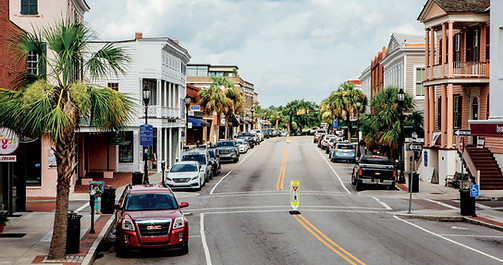
St. Helena Island condenses Lowcountry rhythm into walkable streets, marsh-front drives, and boat-accessed history. City tours here are less about skyscrapers and more about living culture—Gullah traditions, storied plantations, and salt-scented vistas. Whether you move on foot, bike, or by boat, tours stitch together oral histories, seafood kitchens, and tidal landscapes into an intimate portrait of the Carolina coast.

45
Activities
Year-Round (best spring–fall)
Best Months

Top City Tour Trips in St. Helena Island

45 trips • Book with confidence • Instant confirmation

Why St. Helena Island Is a Standout for City Tours

St. Helena Island offers a form of urban exploration that feels refreshingly offbeat: the city tour here is an immersion in culture and landscape rather than a checklist of monuments. Small blocks, framed by live oaks and punctuated by low-slung churches, make the island’s settlements inherently walkable, but the tours extend naturally into the surrounding marshes and waterways. What distinguishes tours on St. Helena is the way they fold living memory into place—Gullah language and crafts, preserved community structures like the Penn Center, and family-run seafood shacks that continue recipes passed through generations. The pace is reflective rather than rushed; guides lean into stories about resilience, land use, and the ways tides and rice fields shaped daily life. This provides an intellectual and sensory contrast to more conventional urban tours: the soundtrack here is waves and bird calls as much as conversation.

Practicality is woven into the romance. Many tours are short, two- to three-hour walks that fit into a half day, while others pair a village stroll with a boat trip through creeks and marsh. Because St. Helena is on an island edge, season and tide matter—spring and fall bring temperate weather and clear skies, summer has intensely green marshes and afternoon thunderstorms, and winter delivers quieter communities and lower humidity. Accessibility varies: the main historic corridors are accessible by wheelchair with some assistance, but older neighborhoods and boardwalks may have uneven surfaces. For travellers who want variety, city tours are easily combined with biking along backroads, kayak trips through tidal creeks, or visits to nearby plantations and nature preserves. Each mode of transport shifts the perspective—on foot you catch voices and porch kitchens, by boat you see the interdependence of land and water where marsh grass meets pastures, and by bike you trace the quiet connectivity between neighborhoods and coastal viewpoints.

For travelers who prize context, local guides are invaluable. Many are community elders, Penn Center alumni, or fishermen whose knowledge reframes landmarks into living narratives. Tours often include stops where you can try local dishes, watch sweetgrass basket makers, or visit small museums and community centers. Conservation and cultural preservation are central themes: tours routinely touch on the impacts of sea-level rise, land stewardship, and ongoing efforts to preserve language and heritage. The experience balances intimacy with responsibility; a good tour leaves you with a deeper understanding of how a small island holds outsized cultural significance in the Lowcountry and what it means to protect that legacy for the future.

The island’s human story is inseparable from its tidal geography—rice fields, marsh harvesting, and fishing shaped settlement patterns and local economies in ways that tours illuminate through place-based storytelling.

Seasonality and tides influence both logistics and atmosphere. Early morning tours offer cool air and active birdlife, while late-afternoon tours capture golden light on the marsh and calmer boating conditions.

Activity focus: Cultural & Historic City Tours with outdoor elements
Typical tour lengths: 1–4 hours
Popular modes: walking, bike, boat, and small-vehicle drives
Language and craft demonstrations common on guided tours
Tide and weather influence many route choices

Best Time to Visit

Best Months

MarchAprilMaySeptemberOctoberNovember

Weather Notes

Spring and fall deliver the most comfortable temperatures for walking and boating. Summers are hot and humid with frequent afternoon storms; winters are mild and quieter but can be cool and breezy on exposed marsh edges.

Peak Season

Spring festivals and fall tourism are the busiest times for guided tours and local events.

Off-Season Opportunities

Winter and early spring offer solitude, lower prices, and the chance to book knowledgeable local guides more easily. Some seasonal vendors and demonstrations may be limited.

Frequently Asked Questions

Do I need a permit to join a city tour?

Most commercial and private guided city tours operate under local business regulations and do not require a separate visitor permit. If a tour visits protected lands or private properties, the operator handles access permissions.

Are city tours on St. Helena Island accessible?

Main historic areas and a number of docks and public buildings are generally accessible, but older streets, boardwalks, and boat ramps can have uneven surfaces. Contact tour operators in advance to confirm wheelchair access and mobility accommodations.

Should I book a guided tour or explore on my own?

Guided tours provide cultural context, introductions to local practitioners, and safe access to boat or marsh areas. Self-guided options are possible for visitors comfortable navigating by map, but you may miss the oral histories and craft demonstrations central to the island experience.

Choose Your Experience Level

Beginner

Short, flat walking tours around historic districts, easy harbor-side strolls, and introductory boat trips through calmer creeks.

  • Historic downtown walking tour
  • Short Gullah cultural walk and museum visit
  • Harbor-side boat shuttle and short creek ride

Intermediate

Longer multi-modal tours combining walking with boat passages or bicycle loops on quiet roads; moderate pace and up to half-day duration.

  • Half-day bike-and-boat cultural loop
  • Guided marsh ecology and history tour
  • Cooking-and-history tour with a local kitchen stop

Advanced

Full-day explorations that pair intensive cultural programming with field visits to remote marsh sites, nearby plantations, or multi-stop naturalist excursions.

  • Full-day cultural immersion with rural homestead visits
  • Combined kayak and walking tour of tide-dependent sites
  • Research-focused heritage tour with community leaders

Insider Tips & Local Knowledge

Always confirm tour start times, tide windows for boat legs, and any age or mobility restrictions with operators before booking.

Book morning tours in summer to avoid heat and afternoon storms; late-afternoon light is ideal for photography and calmer water for boat segments. Support small, locally owned guides and artisans—many demonstrations and food stands operate on a walk-up basis and cash or local payment methods are appreciated. Dress in layers for breezy marsh conditions and bring footwear that can handle sand or muddy boardwalks. If you plan a combined land-and-water route, ask about tide schedules—some creek sections are shallow at low tide and may require alternate routing.

What to Bring

Essential

  • Comfortable walking shoes (sandals OK for short walks)
  • Water bottle and light snacks
  • Sun protection: hat, sunscreen, sunglasses
  • Phone with local maps or downloaded directions
  • Light rain shell for summer showers

Recommended

  • Binoculars for marsh and bird viewing
  • Insect repellent, especially spring–fall
  • Reusable bag for purchases at local markets
  • Compact camera for detail shots of crafts and architecture

Optional

  • Portable charger for guided audio or photo-heavy days
  • Small notebook for names and local phrases
  • Light folding umbrella for sun or brief rain

Ready for Your City Tour Adventure?

Browse 45 verified trips in St. Helena Island with instant booking

Explore Top 15 St. Helena Island, South Carolina Adventures →