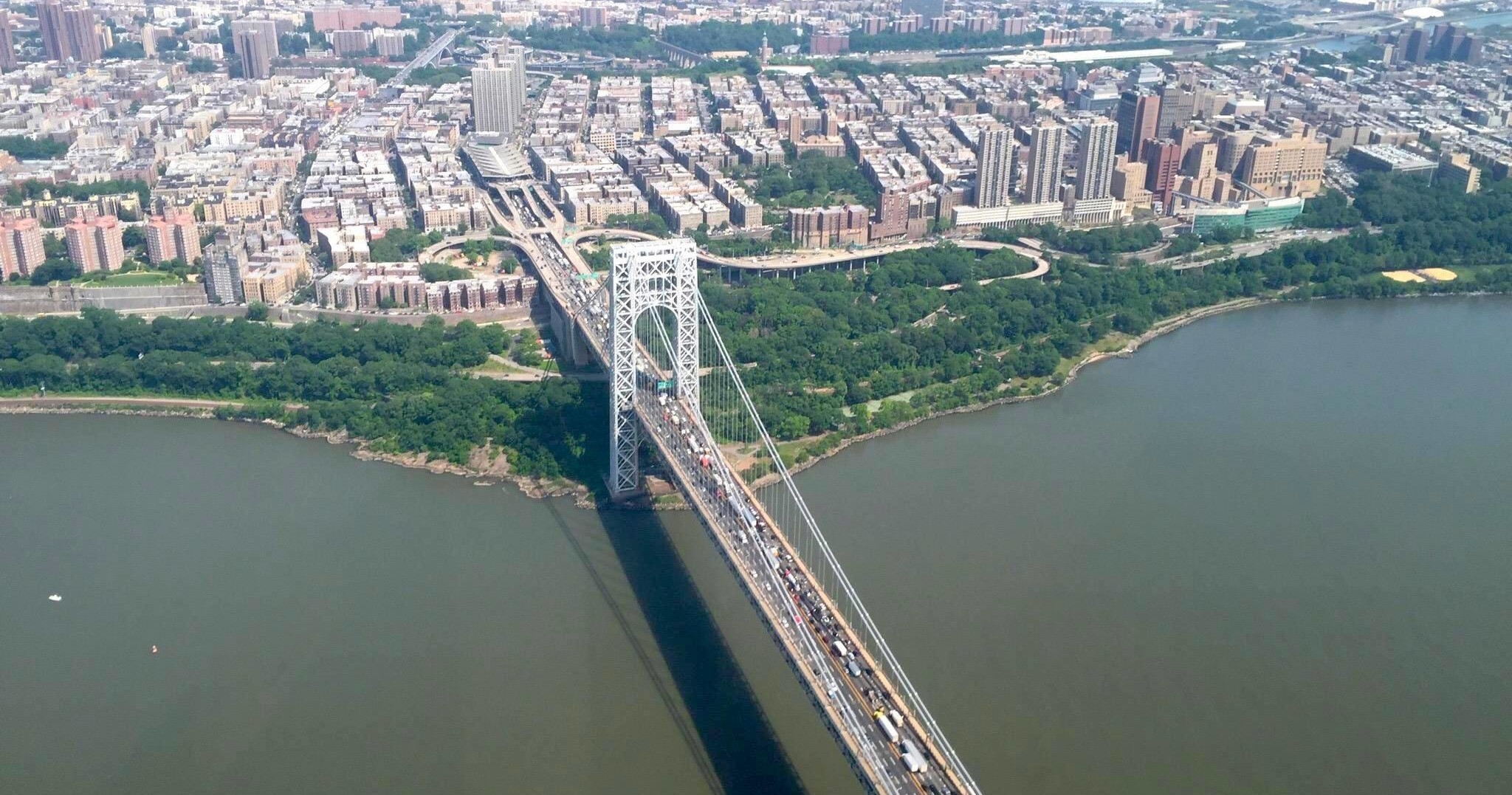
There’s a particular electricity to leaving ground level in New York—one that feels both audacious and intimate. In St. Albans the sensation is sharpened by context: a neighborhood threaded with elm-lined blocks and commuter rhythms, sitting under flight paths and within striking distance of some of the most storied aerial experiences on the Eastern seaboard. From here, vistas that feel distant and cinematic when seen from the waterfront take on an almost tactile clarity when viewed from a small aircraft, helicopter, or balloon. The city becomes a layered set of geometry—the ribbons of the East River, the stately sweep of Manhattan’s skyline, the checkerboard of rooftops and parks—all rearranged into a single wide-angle composition. For travelers, St. Albans is less about being the origin of the flight and more about being the quiet anchor to the network that makes aerial exploration around New York possible.
What transforms a trip to St. Albans into an air-focused itinerary is the unexpected range of approaches within easy reach. Helicopter tours from nearby vertiports carve minutes from a Manhattan skyline loop; scenic fixed-wing flights and seaplane excursions bookend coastal and river routes; hot-air balloons rise with the lull of dawn in the nearby Hudson Valley, and regional drop zones host tandem skydives that trade concrete for clouds in a matter of hours. Each of these experiences brings a different pace and tone: helicopters are immediate and cinematic, balloons are slow and meditative, skydiving delivers raw adrenaline, and a seaplane turns the shoreline into a moving postcard. The proximity of St. Albans to major transit hubs—subways and Long Island Rail Road connections—means you can anchor evenings in neighborhood restaurants and still be airborne at sunrise. Culturally and logistically, that duality—suburban quiet by night and open-sky possibility by morning—creates itineraries that are both convenient and cinematic.
Environmental and regulatory context matters here. Flight paths, controlled airspace, and seasonal weather patterns shape what’s possible on any given day; operators coordinate closely with local airports and air-traffic control, and many of the most memorable flights hinge on early-morning weather windows. For travelers who care about stewardship, opportunities to pair aerial adventures with low-impact shoreline walks, birding in coastal wetlands, or guided tours that highlight regional ecology make for richer, more responsible visits. Ultimately, St. Albans’ value for air activities is practical and poetic at once: it is a quiet home base where logistical friction is low and the world above is suddenly, thrillingly accessible.
The variety of air experiences near St. Albans means you can tailor the mood: choose a sunrise balloon for reflective, photography-rich hours; a midday helicopter for fast, dramatic skyline coverage; or a weekend trip to the Hudson for combined flying and hiking.
Because operations cluster around established airfields and heliports, safety standards are high and options for tandem or guided flights are plentiful. However, operators enforce strict weight and age guidelines and maintain seasonal schedules tied to weather and daylight.
The harbor is the gateway, and the Pacific becomes the classroom.
Complementary activities—waterfront promenades, local food markets, and short rail trips to rural launch sites—make it easy to weave an aerial adventure into a broader, multi-day exploration of New York’s varied landscapes.
Choose by purpose
Whale watching, snorkeling, sunset sailing, cultural canoeing, harbor sightseeing, or private chartering.
Start near the city
Waikiki and Honolulu Harbor are primary hubs, with some trips launching near Hanauma Bay.
Confirm the vessel
Gangways, shaded seating, and boarding requirements vary according to vessel size and operator.