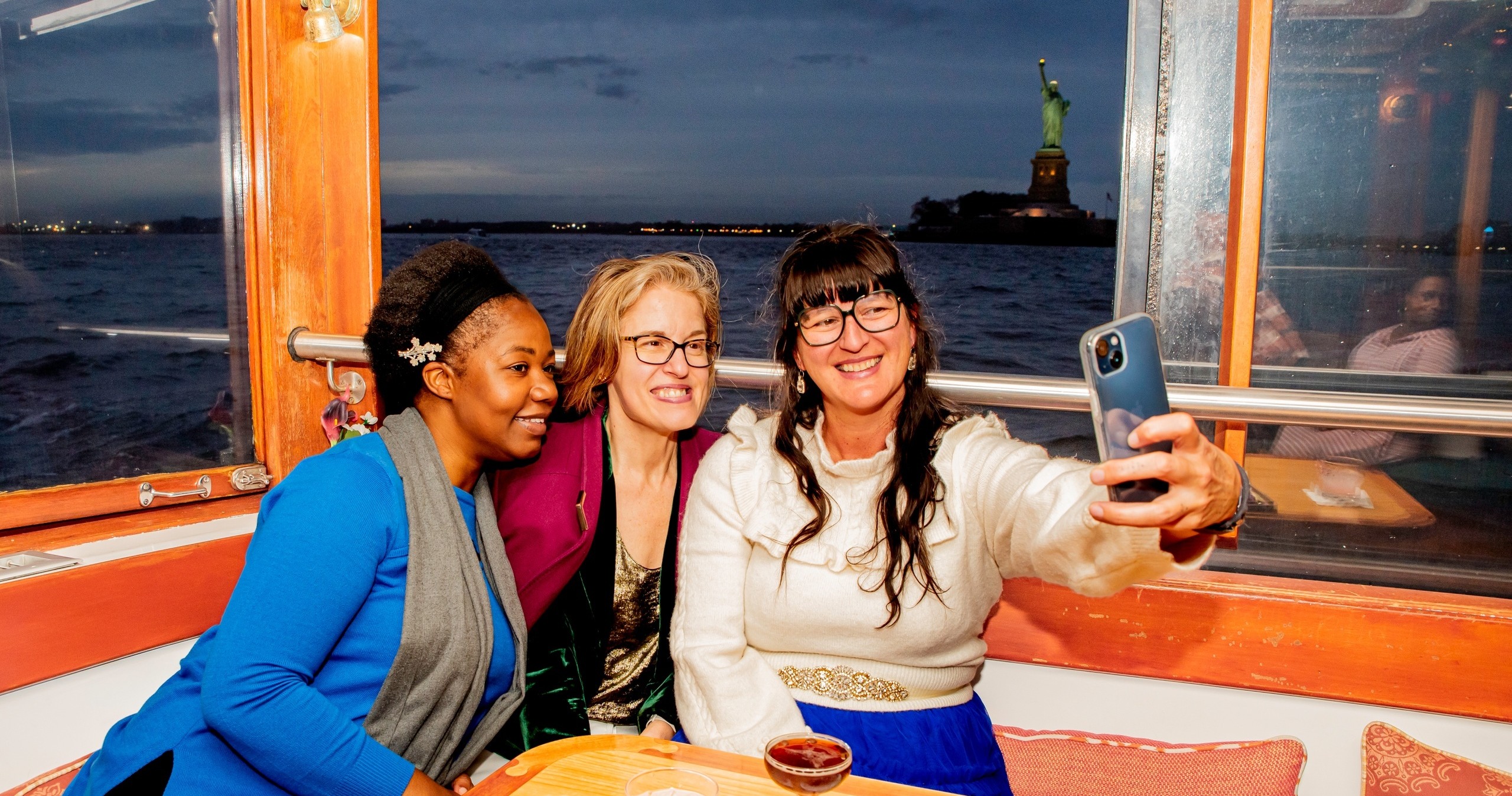
You don’t have to live on the water to feel its pull. From Springfield, the sea is a short, deliberate choice—a drive that trades the predictable grid of town for the layered language of tides, wind, and salt. The region’s maritime personality is diverse: tidal rivers wind through salt marshes and suburban shorelines; wide bays offer protected water for lessons and relaxed day sails; and the open approaches to the New York Harbor and the Atlantic introduce deeper swell and working-coast traffic in a matter of miles. The result is a compact curriculum for sailors. Beginner crews learn to read wind shifts in calm estuaries; intermediates tune sail trim on broad bay reaches; experienced skippers plot coastal passages and nighttime waypoint strategy.
Sailing here is as much cultural as it is practical. The Jersey shore’s maritime history—fishing families, coastal freighting, and the rise of yacht clubs—has braided recreational sailing into a daily rhythm. On any given summer evening, club racing lights the water with rhythm and clatter: short-course starts, quick reaches, and the friendly jostle of competitive crews. By contrast, a morning on a protected river can feel like a private lesson in ecology—oystercatchers, riverine marshes, and the slow geometry of tidal flats passing the hull. That interplay between civic waterfront life and quiet natural edge gives sailing from Springfield both convenience and contrast: you can clock a sunrise cruise in shallow, glassy water and plan a late-afternoon coastal run that tastes like open ocean.
For travelers, that variety translates into choice. A single weekend can include a hands-on introductory lesson on a stable keelboat, a sunset champagne sail out to a bay, and an optional overnight hop for those chasing night skies and off-shore lights. Complementary activities—kayaking in estuaries, birding salt marshes, beachcombing the shore, and sampling local seafood—fit neatly into an itinerary built around the water. Practical advantages follow: sheltered launch options reduce stress for first-time sailors; nearby marinas and clubs support rentable boats, instruction, and bareboat charters; and the concentration of different water types within a short drive makes this region unusually efficient for learning and exploration.
All of this comes with the familiar caveat: water is never wholly predictable. Tides shape where you can go and when; summer thermals and coastal breezes create lively afternoons; and nor’easter season demands respect and planning. But for a traveler seeking an accessible, richly varied sailing palette without a long coastal relocation, Springfield is a quietly effective base—where the day’s agenda can change from tranquil estuary practice to spirited bay reach in the same afternoon.
Sailing from Springfield benefits from proximity. Within an easy drive you’ll find protected bays for learning, open channels for coastal runs, and clubs that offer instruction, day sails, and racing calendars.
The region’s mix of tidal rivers and bays is ideal for progressive learning: sheltered waters for fundamentals, broader bays for handling stronger wind, and coastal approaches for passagemaking practice.
The harbor is the gateway, and the Pacific becomes the classroom.
Because shore-based services (marinas, rigging shops, sailing schools) are concentrated nearby, logistics for charters, lessons, and boat rentals are straightforward—important when you want to maximize time on the water rather than troubleshooting gear.
Choose by purpose
Whale watching, snorkeling, sunset sailing, cultural canoeing, harbor sightseeing, or private chartering.
Start near the city
Waikiki and Honolulu Harbor are primary hubs, with some trips launching near Hanauma Bay.
Confirm the vessel
Gangways, shaded seating, and boarding requirements vary according to vessel size and operator.