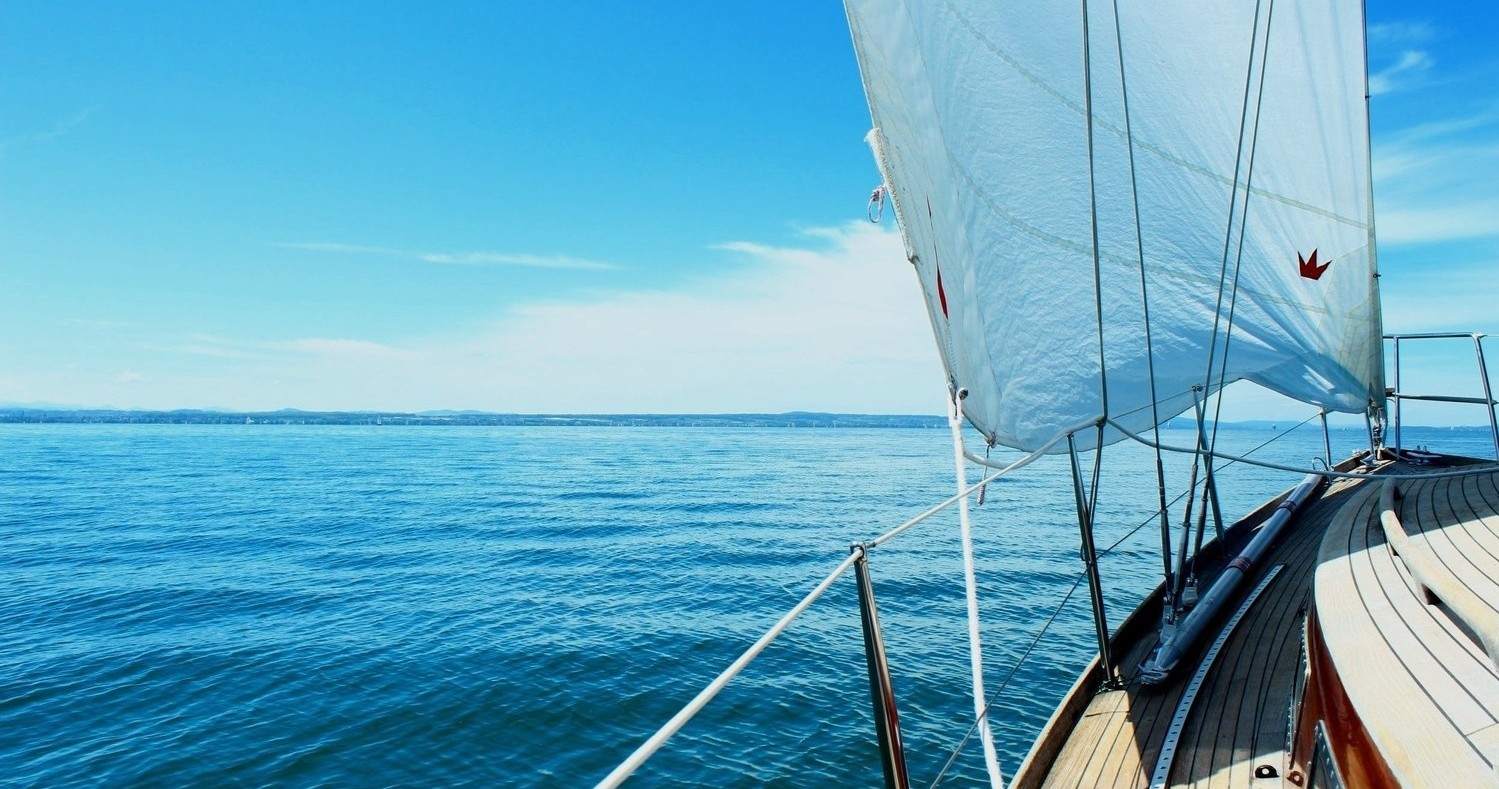
Sailing in Springfield, California — Top Coastal & Bay Voyages
Springfield's sailing scene blends easy-access sheltered waters with the opportunity to push into open coastal swells. Whether you're taking a day sail across calm estuaries, learning the ropes on a keelboat, or plotting a multi-day coastal hop, the mix of predictable sea breezes, tidal estuary channels, and a community of small marinas makes it an inviting base for sailors of all stripes. This guide focuses on the practical logistics, seasonal windows, and on-water experiences that define sailing here.
Top Sailing Trips in Springfield
59 trips • Book with confidence • Instant confirmation
Why Springfield Is a Standout Sailing Destination
Springfield sits at an accessible seam between sheltered inland waters and the broader Pacific corridor, and that geographic duality is what makes sailing here compelling. On any given morning you'll find skippers tuning rigs in protected harbors where tidal channels thread between salt marshes and pilings, then later trimming for a lively afternoon sea breeze as the coastal thermals kick in. For the visiting sailor this translates into a compact learning curve: sheltered practice areas for maneuvers, anchored coves for day-anchoring, and open stretch options for building experience in swell and wind.
Beyond the practical advantages, there's a rhythm to sailing in Springfield that feels at once coastal and comunitarian. Local boatyards, small charter operators, and sailing schools populate the waterfront; their cadence—launch, tune, sail, return—creates an accessible culture for newcomers and an efficient platform for seasoned sailors to stage longer coastal runs. Wildlife is part of the scenery: from foraging shorebirds to the occasional passing pod of dolphins, the interplay of marine life and tidal habitats keeps every outing feeling alive. The coastline here isn't about dramatic cliffs and long-distance passage planning so much as a mosaic of micro-conditions—eddies behind point breaks, swift tidal gates through estuary mouths, and calm coves that mirror the sky.
Seasonality is straightforward and useful for planning. The most reliable sailing months fall in the late spring through early fall window, when daytime sea breezes are consistent and storms are rare. Mornings can be glassy and calm, giving way to predictable onshore winds that build through the afternoon; those thermal patterns reward timing and route selection, making afternoon reaches and beam reaches particularly satisfying. Winters bring a different kind of reward—for sailors focused on seamanship and passage planning—because storm systems and stronger swells provide a training ground for heavier-weather sailing, though that should be approached with local knowledge and proper equipment.
The variety of sailing experiences available is another draw. Day sailors can practice tacks, spinnaker runs, and anchoring in short stretches; coastal cruisers can string together multi-day hops between neighboring ports; racers can find compact courses nearshore against steady sea breezes; and those interested in instruction have their pick of certified sailing schools. Complementary activities—kayaking in estuaries, shoreline hikes to hidden coves, fish-and-chip stops at waterfront eateries—make the place an attractive multi-activity destination. For planners and curious travelers alike, Springfield offers a low-friction entry to coastal California sailing while still rewarding the sailor who wants to push farther from shore.
The sheltered bays and estuary channels are excellent classrooms for learning boat handling, close-quarters maneuvers, and anchoring under variable tidal flows. These zones let instructors demonstrate concepts that are harder to teach in open ocean conditions.
Open-coast legs accessible from Springfield expose sailors to true coastal navigation—reading weather windows, planning tide-aware passages, and dealing with wind-on-wind conditions. That step up from protected waters is what makes Springfield useful both to learners and to experienced sailors seeking varied outings.
Best Time to Visit
Best Months
Weather Notes
Late spring through early fall provides the most consistent sea breezes and mild temperatures. Mornings are often calm with winds building into the afternoon; fall can offer longer windows of stable weather. Winter brings larger swell and more variable conditions—good for experienced sailors but less predictable for casual day sails.
Peak Season
Summer weekends are the busiest for marinas, charters, and popular anchorages.
Off-Season Opportunities
Shoulder seasons offer quieter docks and lower charter rates; winter training and seamanship courses are common for sailors looking to build heavy-weather skills.
Frequently Asked Questions
Do I need special permits to sail or anchor near Springfield?
Most recreational sailing does not require special permits, but specific protected marine areas and some anchorage zones may have restrictions. Check local harbor authority or marine protected area regulations before anchoring or entering sensitive estuaries.
Can I rent a boat without prior experience?
Many charter companies and sailing schools offer skippered rentals and introductory lessons designed for newcomers. Bareboat rentals typically require demonstrated experience or certification.
How do tides and currents affect local sailing?
Tidal flows can concentrate through estuary mouths and narrow channels, producing stronger currents and eddies. Plan passages around tidal windows, especially when entering or leaving shallow harbors or narrow channels.
Is cell service reliable on the water?
Coastal cell coverage is generally patchy farther from shore; carry a VHF radio and ensure someone ashore knows your plans. Consider offline charts and a portable battery for electronics.
Choose Your Experience Level
Beginner
Protected-bay sailing and instructor-led day sails ideal for learning basic boat handling, points of sail, and safety procedures.
- Instructor-guided bay sail with hands-on helming
- Anchoring practice in a sheltered cove
- Introductory keelboat lesson and short practice cruise
Intermediate
Longer day sails and short overnight cruises that require route planning, tide awareness, and confident sail trim.
- Coastal afternoon reach to nearby anchorages
- Overnight bay-to-bay cruise with anchoring
- Club racing or distance day sails to test crewwork
Advanced
Extended coastal passages and heavier-weather days that demand advanced navigation, watch systems, and full seamanship skills.
- Multi-day coastal hop with off-shore legs
- Blue-water preparation and passage practice
- Heavy-weather training and longer ocean crossings
Insider Tips & Local Knowledge
Always check local notices to mariners, harbor advisories, and weather forecasts before departure.
Time your sails to ride the afternoon sea breeze for consistent wind; mornings are great for learning and calm-water drills. When planning passages, pay close attention to tidal gates at estuary mouths—an incoming tide can speed up through narrow channels and affect approach angles. If you're new to the area, book a short skippered charter or a lesson with a local school to learn the unique currents and sheltered routes. Carry multiple means of communication (VHF and charged mobile devices) and leave a float plan with someone onshore. For multi-day trips, scout anchorages during daylight and be mindful of anchoring restrictions near protected habitats. Finally, pack layers: coastal weather can switch from sun to fog or wind in a matter of hours, and a lightweight waterproof layer makes all the difference.
What to Bring
Essential
- USCG-approved life jacket for every passenger
- Waterproof foul-weather jacket and layered clothing
- Chart (paper or electronic) and basic navigation tools
- VHF radio or reliable means of communication
- Sunscreen, hat, and polarized sunglasses
Recommended
- Waterproof dry bag for valuables
- Basic first-aid kit and seasickness remedies
- Sailing gloves and non-marking deck shoes
- Portable battery pack and map app with offline charts
Optional
- Binoculars for wildlife and coastal navigation
- Waterproof camera or action cam
- Trail shoes and daypack for shore explorations
- Lightweight anchor and rode for dinghy or tender use
Ready for Your Sailing Adventure?
Browse 59 verified trips in Springfield with instant booking
Explore Top 15 Springfield, California Adventures →