Top Climbing Adventures in South Salt Lake, Utah
South Salt Lake Climbing Guide

Top Climbing Adventures in South Salt Lake, Utah

Perched between the urban grid and the rising Wasatch, South Salt Lake is an unlikely but ideal launch point for climbing of every flavor. In minutes you can swap streetlamps for limestone faces, find boulder fields tucked into foothills, or warm up in lively indoor gyms that double as community hubs. This guide zeroes in on climbing-specific experiences—short sport and trad approaches, cragging that fits a half-day schedule, accessible bouldering, and the practical know-how to stitch together gym training and outdoor objectives across the Salt Lake corridor.

Wasatch FrontBig Cottonwood CanyonLittle Cottonwood CanyonSalt Lake City

Live destination inventory

Top Climbing Trips in South Salt Lake

9 trips · Book with confidence · Instant confirmation

The prototype intentionally does not invent replacement trip cards or add images that are not already part of the live source page.

The city from the water

Why South Salt Lake Works for Climbers

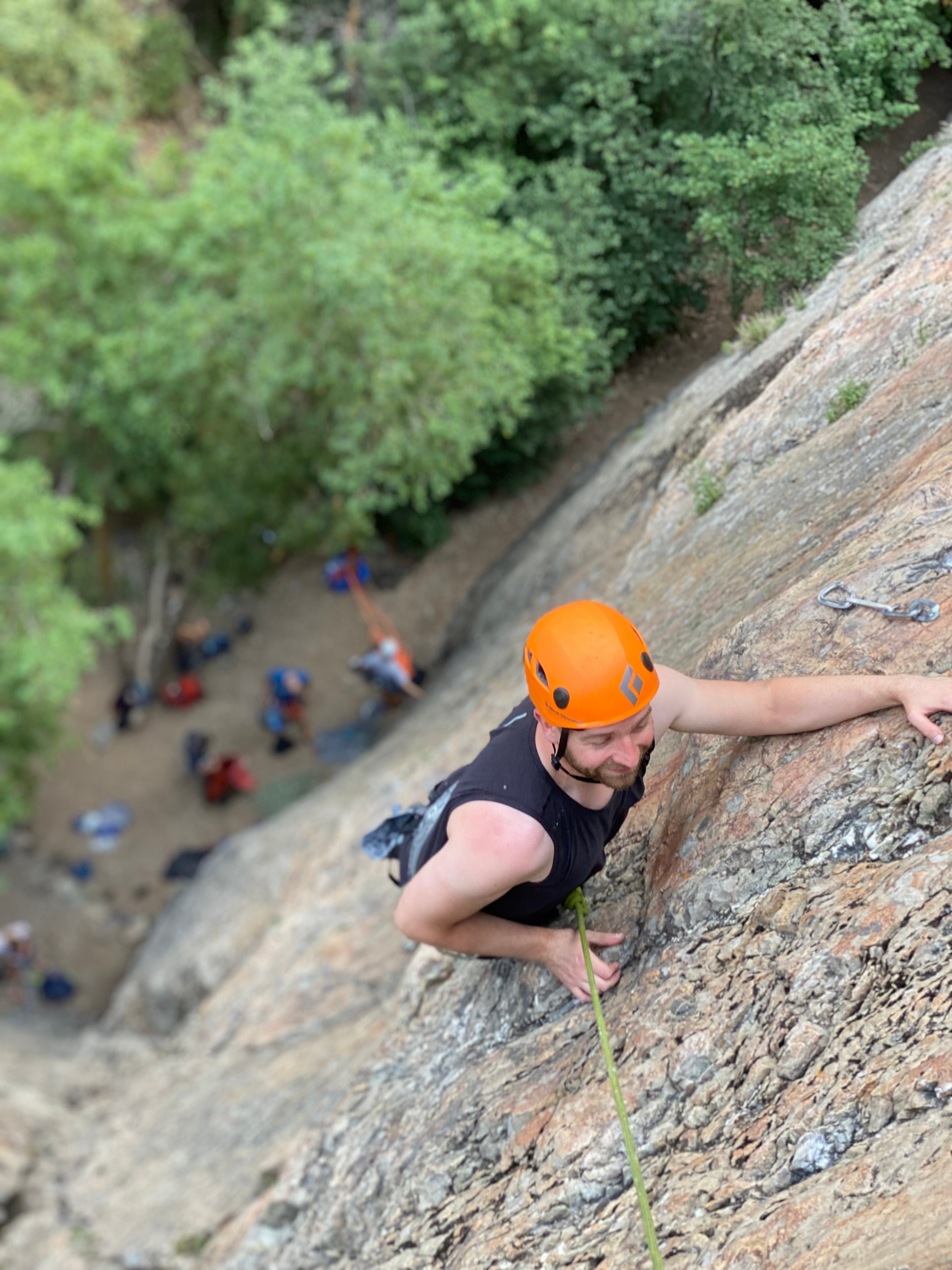
South Salt Lake occupies an interface that climbers love: immediate access to the Salt Lake Valley’s suburban conveniences and a short drive to the vertical geology of the Wasatch Range. The city itself is a useful staging ground—affordable lodging, late-night gear shops, and climbing gyms where you can tighten technique before a day on real rock. From here, routes climb through a compact palette of rock types and exposures: shaded canyon walls for spring and fall, sun-drenched faces lower on the valley rim for cooler months, and plentiful boulders scattered across foothill parks for quick sessions between errands. What sets the area apart is its logistical clarity. Unlike remote desert approaches, most climbs near South Salt Lake are half-day or single-pitch objectives that reward modest planning: a short approach, clear descent, and minimal route-finding. That makes it an excellent destination for travelers who want to combine a morning crag session with an afternoon of culture or a dinner in Salt Lake City. For sport climbers there are bolted routes with moderate approaches; for trad climbers, the Wasatch offers accessible crack lines and multi-pitch options in nearby canyons. Bouldering is distributed across the lower elevations—ideal for training circuits or for families introducing kids to climbing without committing to long routes. Beyond the rock, climbing here is framed by seasonal considerations and community resources. Spring and fall deliver the most comfortable temperatures on exposed limestone and granite, while summer brings stable weather but hotter exposures on south-facing walls. Winter can be harsh at elevation, but lower-elevation crags and indoor facilities keep the sport alive year-round. Local guiding companies, rental shops, and established gym communities make it straightforward to source instruction, ropes, and temporary gear. That ecosystem—gyms, guides, shuttle-friendly roads, and a cluster of day-crag options—is why many visiting climbers choose South Salt Lake as a base: you can apprentice technique on a weekday in a gym and apply it to an outdoor objective the next morning. Finally, the location invites complementary adventures. Climbers can easily add hiking ridgelines, canyoneering day trips, or a longer drive to world-class destinations like Indian Creek and Moab when time permits. For those planning a single-climb trip, South Salt Lake’s combination of services, proximity to diverse rock, and compact travel times make it a practical and memorable climbing hub.

The proximity to multiple canyon systems creates a broad menu of single-pitch sport climbs, traditional crack lines, and accessible multi-pitch routes that suit mixed-level groups.

Local gyms act as community centers—ideal for warming up, meeting partners, or booking guided outings, so even newcomers can transition to outdoor climbing with confidence.

Activity focus

Choose by purpose

Whale watching, snorkeling, sunset sailing, cultural canoeing, harbor sightseeing, or private chartering.

Departure hubs

Start near the city

Waikiki and Honolulu Harbor are primary hubs, with some trips launching near Hanauma Bay.

Accessibility

Confirm the vessel

Gangways, shaded seating, and boarding requirements vary according to vessel size and operator.
Seasonal planning

Best Time to Visit

South Salt Lake is warm year-round, but wind, swell, migration, visibility, and demand change the best match between traveler and trip.

South Salt Lake boat tour
Year-round destination

Seasonal highlights change the reason to go

Winter favors humpback encounters; warmer, calmer months favor snorkeling visibility and smoother water.

Humpback season

Shoulder seasons (spring and fall) are busiest for outdoor cragging; weekends see heavier local traffic.

Prime whale watching, winter holidays, higher demand, and earlier sell-outs.

Snorkeling window

April–May–September–October

Typically gentler seas and clearer water for snorkeling trips.

Weather notes

Trade winds year-round

Spring and fall provide the most comfortable temperatures on exposed routes; afternoons can warm quickly on sun-exposed walls. Summer brings stable weather but hotter south-facing faces, while winter limits high-elevation crags though lower routes and indoor gyms remain usable.

Quieter opportunities

Late spring & summer weekdays

Winter is ideal for gym training, technique clinics, and lower-elevation bouldering on sunny days; consider guided instruction for safe winter sport and mixed conditions.

Match the trip to your comfort

Choose Your Experience Level

Low effort

Beginner

Introductory top-rope and bouldering sessions at local gyms or short, supervised outdoor routes with low approaches.

  • Gym top-rope clinic and belay course
  • Beginner bouldering circuit at a valley boulder field
  • Short sport warm-up on well-bolted single-pitch routes
Active day trip

Intermediate

Longer sport routes and single-pitch trad climbs with modest gear requirements; some approach hiking and basic route-finding.

  • Multi-pitch introductory routes in nearby canyons
  • Sport-route laps on 5.9–5.11 pitches
  • Mixed gym-and-outdoor training days
Longer or technical

Advanced

Technical multi-pitch trad, sustained crack climbing, and longer approaches that require advanced rack-building, anchors, and route-finding skills.

  • Sustained crack lines and off-width routes
  • Extended alpine-style multi-pitch ascents in the Wasatch
  • Linking multiple crags for a full-day objective

Prepare for sun, spray, and swell

What to Bring

Essential

Core kit

  • Climbing shoes and comfortable approach shoes
  • Harness, helmet, belay device, locking carabiner
  • Single 60–70m rope (or double ropes if planning multi-pitch routes)
  • Quickdraw set for sport routes / trad rack for crack climbing
  • Chalk, tape (for fingers), and a personal anchor
Recommended

Useful extras

  • Lightweight pack for approach and day essentials
  • Guidebook or offline topo PDFs and a reliable route app
  • Layered clothing for canyon shade and valley sun
  • Sunscreen and a sun hat for exposed approaches
  • Small first-aid kit and a headlamp
Optional

Trip-specific

  • Crash pad for bouldering sessions
  • Topo photocopies or printed route notes for remote cliffs
  • Finger tape and a small maintenance kit for shoes and rack
Check recent route conditions, road closures, and weather before you go. Many popular approaches have limited parking and tight pullouts—practice Leave No Trace and be prepared to carpool or walk a short distance.

Insider Tips & Local Knowledge

Reserve whale-watching and popular sunset cruises well ahead during December–April.
Choose morning snorkeling departures for calmer seas and better underwater visibility.
For motion sensitivity, choose a larger vessel, sit mid-ship, and take preventative medication before boarding.
Do not touch coral or wildlife, avoid standing on reefs, and use reef-safe sunscreen.
Community-based operators may add context about traditional navigation and stewardship.
Arrive early for parking and check-in because Waikiki departure areas can be busy.

Planning questions

Frequently Asked Questions

Most roadside crags and canyon areas near Salt Lake do not require special permits for day climbing. Specific protected areas or managed recreation sites may have restrictions—check local land-management websites for up-to-date access rules.
Top Climbing Adventures in South Salt Lake, Utah
Ready for your climbing adventure?

Browse 9 verified trips in South Salt Lake.

Compare current availability and book with instant confirmation.

Explore South Salt Lake climbing