Under the steady white contrails and the constant hum of arriving and departing jets, South Ozone Park offers an unusual juxtaposition: dense urban fabric on the ground and a world of aerial opportunity overhead. For travelers who crave views that reframe a city, the neighborhood’s proximity to JFK and Jamaica Bay serves less as an obstacle and more as a gateway. From low-altitude helicopter routes that carve familiar landmarks into a new geometry, to small aircraft and skydiving schools located a short drive away on Long Island, the area launches a surprising variety of air experiences. The texture of those experiences changes with the season—winter air can be crystalline with distance, spring and summer bring lush coastal colors and more frequent flight windows, while autumn provides the soft light photographers prize. But what truly distinguishes this corner of Queens is how regulated and choreographed air activity must be: controlled airspace, commercial flight corridors, and maritime waterways create both constraints and unique vantage points.
Aerial activities around South Ozone Park also carry a layered cultural and historical resonance. Queens has been shaped by aviation—from early municipal fields to the global gateway role of JFK—so taking to the air here is, in a sense, participating in a long local story of movement and connection. For photographers and storytellers, the area’s mix of industrial waterfront, airport infrastructure, and natural marshland translates into vivid study material. For adventurers, the proximity to Long Island’s open spaces means accessible jump zones and tour operators outside the city core. And for anyone thinking about flying a drone, piloting a light aircraft, or booking a helicopter ride, the practical reality is the same: plan with more precision than you would in a rural setting. Air windows are shaped by airline schedules, airspace restrictions, and weather, and successful trips are often the ones that factor these variables into timing, permits, and operator choice.
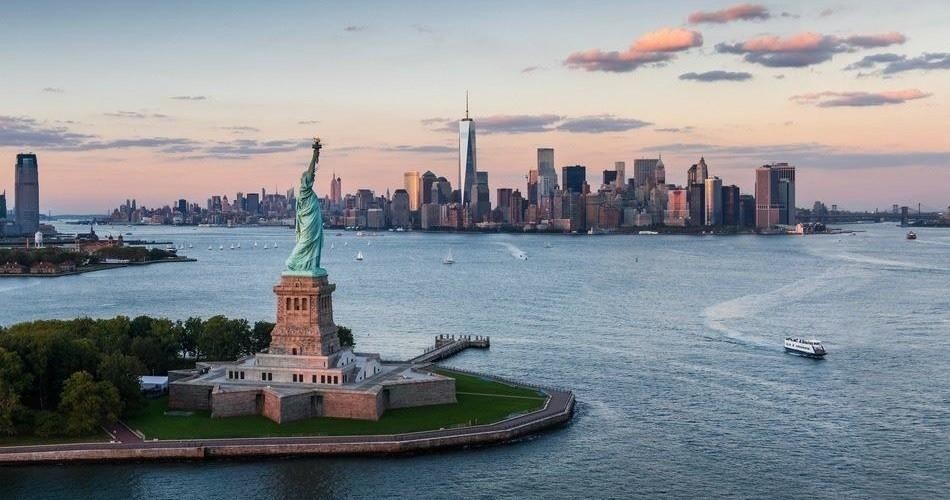
The skyline from a chopper or small plane reframes familiar city blocks into a mosaic—industrial piers, salt marshes, and the sweeping arcs of runways become a study in scale and movement.
Because much of the immediate airspace is controlled, many providers operate from nearby fields or heliports; that means short transfers from South Ozone Park rather than launches from within the neighborhood itself.
Choose by purpose
Whale watching, snorkeling, sunset sailing, cultural canoeing, harbor sightseeing, or private chartering.
Start near the city
Waikiki and Honolulu Harbor are primary hubs, with some trips launching near Hanauma Bay.
Confirm the vessel
Gangways, shaded seating, and boarding requirements vary according to vessel size and operator.