3

Top Climbing Adventures in South Jordan, Utah

South Jordan, Utah

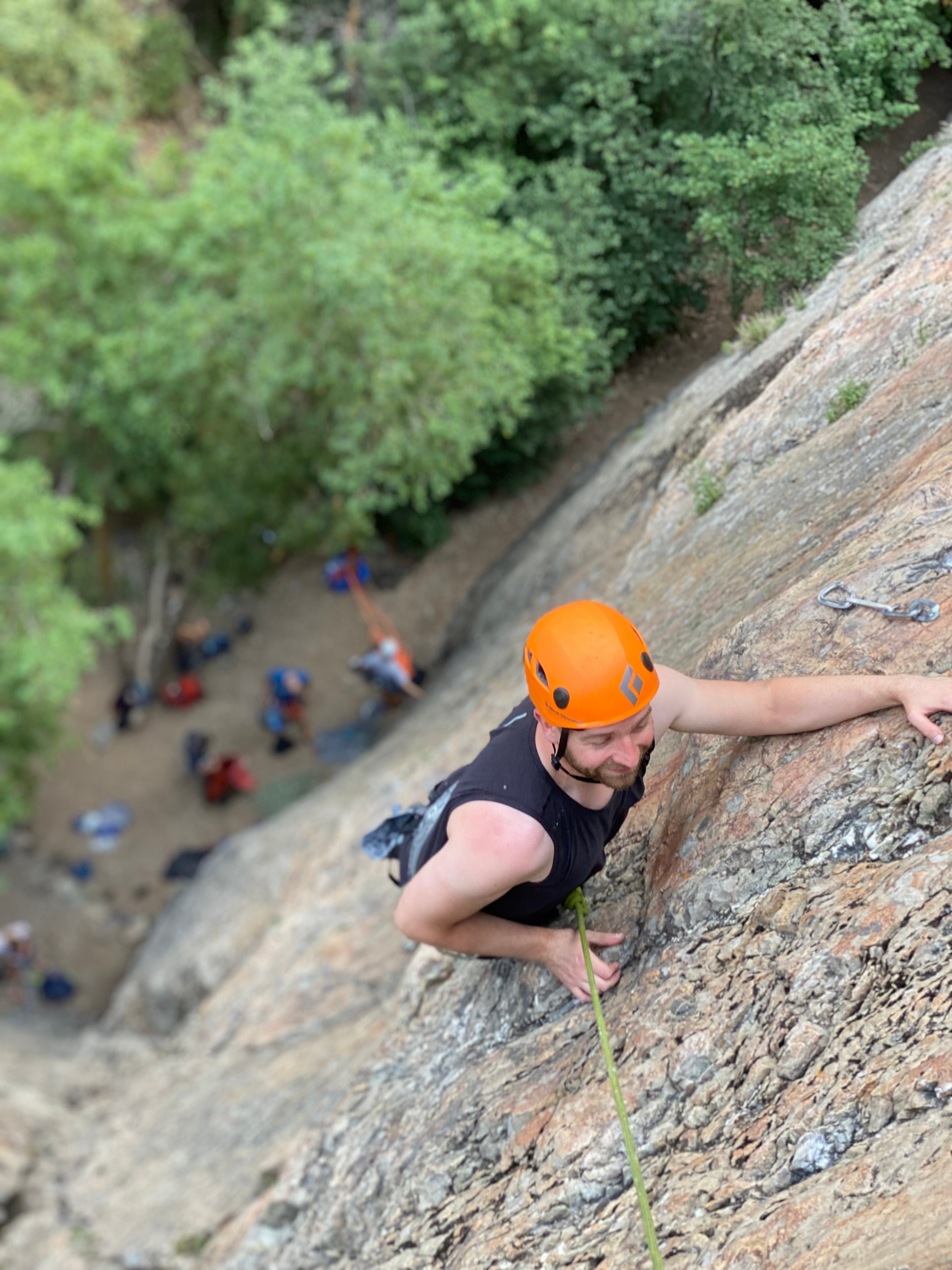
South Jordan sits on the doorstep of the Wasatch Range — a compact, astonishingly varied climbing playground. From short sport crags and slabby lower-angle routes to alpine granite faces and nearby world-class bouldering, the city's valley location makes it a smart basecamp for climbers wanting quick access to big-wall objectives and after-work pitches alike.

9
Activities
Spring–Fall for rock; winter for ice and gym training
Best Months

Top Climbing Trips in South Jordan

9 trips • Book with confidence • Instant confirmation

Why South Jordan Works for Climbers

Cradled in the Salt Lake Valley’s southern edge, South Jordan is less a single climbing destination than a tactical base: a place to sleep, eat, tune gear, and turn a short drive into radically different rock experiences. Within 20–60 minutes of town you can be clipping bolts on lower-elevation sport routes warmed by spring sun, wandering steep granite cracks in Little Cottonwood Canyon, or finding molded pockets and technical face climbs in the conglomerate walls of nearby canyons. The concentration of accessible crags makes South Jordan valuable both for short after-work sessions and for multi-day objectives when the weather window opens.

The Wasatch Front’s geology produces a palette of climbing styles. Granite and quartz monzonite deliver solid trad lines and alpine faces; conglomerate and cobble in places like Maple Canyon provide weird, delicate pocketed climbs and technical face problems; other canyon walls give clean, bolted sport pitches ideal for single-pitch progression. This diversity means a single trip can include a morning of slab finesse, an afternoon of sustained crack work, and a sunset bouldering session — without long transfers.

South Jordan’s urban amenities also matter. Climbers can tap local gyms for conditioning and technique work, resupply at outdoor retailers, and choose restaurants or coffee shops that double as planning rooms. Guide services and instruction are available out of the Salt Lake City area for those who want to accelerate trad skills or hire a partner for unfamiliar alpine routes. For traveling climbers, the city’s accommodation range—from budget motels to short-term rentals—pairs well with early starts into the canyons.

Seasonality shapes the experience: spring and fall offer the best window for pure rock climbing with moderate temperatures and stable weather, while summer mornings and late afternoons can still be excellent higher in the canyons. Winter shifts the focus toward ice climbing and mixed routes at higher elevations, plus the indoors: the nearby climbing gyms become training hubs when the cold closes the crags. Regardless of season, the Wasatch’s mountain weather can change fast: sun, wind, and afternoon thunderstorms show up on the same day, so pack layers and plan for early exits.

Beyond climbing itself, the region rewards cross-training—trail runs on canyon approaches, mountain-biking trails in adjacent foothills, and river or reservoir recreation when you need recovery. For climbers who want a base with short drives to a wide selection of rock types, efficient logistics, and the infrastructure to support training and repairs, South Jordan is a quietly strategic choice.

Proximity is the big practical advantage. An early wake-up from South Jordan can put you on a quiet approach to a high-quality route before crowds gather, and the valley’s highway access shortens transfer times compared with more remote mountain towns.

Ethics and access matter here: crags close to urban areas are subject to heavy use. Respect bolting norms, pack out trash, limit group size on approaches, and check with local land managers for seasonal wildlife closures or volunteer stewardship programs.

Activity focus: Rock climbing (sport, trad), bouldering, and nearby ice/mixed in winter
Nearest major climbing corridors include Little Cottonwood and Big Cottonwood Canyons
Short drives place a wide variety of rock types within an hour
Ideal climbing season for rock: spring and fall; winter for ice and training indoors
Local climbing culture balances bolted sport crags with traditional alpine objectives

Best Time to Visit

Best Months

AprilMayJuneSeptemberOctober

Weather Notes

Spring and fall typically offer the most stable and comfortable temperatures for rock climbing; summer can be hot in lower canyons but excellent higher up, while winter brings snow, ice routes, and increased reliance on indoor gyms. Afternoon thunderstorms are possible in warmer months—plan summit finishes before midday when possible.

Peak Season

Late spring and early fall see the most consistent rock conditions and higher visitation on popular single-pitch crags.

Off-Season Opportunities

Winter offers ice and mixed climbing at higher elevations and fewer crowds; it's also prime time for gym-focused training and technical skill courses.

Frequently Asked Questions

Do I need permits to climb near South Jordan?

Most day crags and canyon access in the Wasatch do not require permits, but specific areas and trailheads may have parking fees or seasonal restrictions. Always check the land manager’s website (municipal, county, or Forest Service) before your trip.

Are there indoor climbing gyms nearby if the weather turns?

Yes. The greater Salt Lake area has several climbing gyms that offer bouldering, roped walls, and instruction—great options for training, skills refreshers, or rainy-day sessions.

Is it easy to find partners or guides from South Jordan?

The Salt Lake climbing community is active; local gyms, guide services, and online forums can connect you with partners or professional guides for trad, multi-pitch, and alpine objectives.

Choose Your Experience Level

Beginner

Single-pitch sport climbs and guided top-rope sessions on bolted crags near the valley. Ideal for learning belay skills, footwork, and route reading.

  • Top-rope practice at a nearby bolted crag
  • Introductory guided sport-climbing session
  • Indoor gym bouldering and rope classes

Intermediate

Multi-pitch awareness, short trad leads, and linking sport routes. Climbers at this level work on efficient transitions, anchor building, and managing longer approaches.

  • Single- to short multi-pitch granite routes
  • Sport-route endurance day with multiple pitches
  • Bouldering circuits to improve technical footwork

Advanced

Sustained trad lines, long alpine routes, and winter mixed or ice climbs that require advanced systems knowledge, route-finding, and comfortable exposure management.

  • Alpine granite face with complex route-finding
  • Long traditional lines requiring full rack and multi-pitch experience
  • Winter ice or mixed objectives with technical protection

Insider Tips & Local Knowledge

Always confirm seasonal access and road conditions before heading into the canyons; cell service can be spotty in higher terrain.

Start early to beat heat and crowds—many popular crags feel deserted at dawn. Respect local bolt and access ethics: don’t bolt without community consultation, and use established anchors where they exist. Park in designated lots to avoid fines and reduce friction with nearby residents. If you’re new to trad or alpine climbing, invest in a day with a certified guide to learn anchors, rope management, and descent techniques. Carry extra water when climbing in lower-elevation canyons during summer, and consider a simple GPS or offline map for longer approaches. Finally, contribute to stewardship—participate in trail maintenance or crag cleanup days when possible to help keep access open for everyone.

What to Bring

Essential

  • Climbing harness, shoes, helmet
  • Belay device, locking carabiners, locking quickdraws
  • Appropriate rack for the objective (cams/nuts for trad; draws for sport)
  • Water and electrolyte snacks
  • Layered clothing and sun protection

Recommended

  • Guidebook or reputable topo app with offline access
  • Approach shoes with sticky rubber for short scrambles
  • Lightweight first-aid kit and small knife
  • Headlamp for early starts or late exits
  • Portable tape and a small repair kit (webbing, cord, quicklink)

Optional

  • Bouldering pad and brush
  • Climbing-specific sunscreen and finger tape
  • Light camp stove and shelter for multi-pitch or alpine plans
  • GPS or detailed offline map for longer canyon approaches

Ready for Your Climbing Adventure?

Browse 9 verified trips in South Jordan with instant booking

Explore Top 15 South Jordan, Utah Adventures →