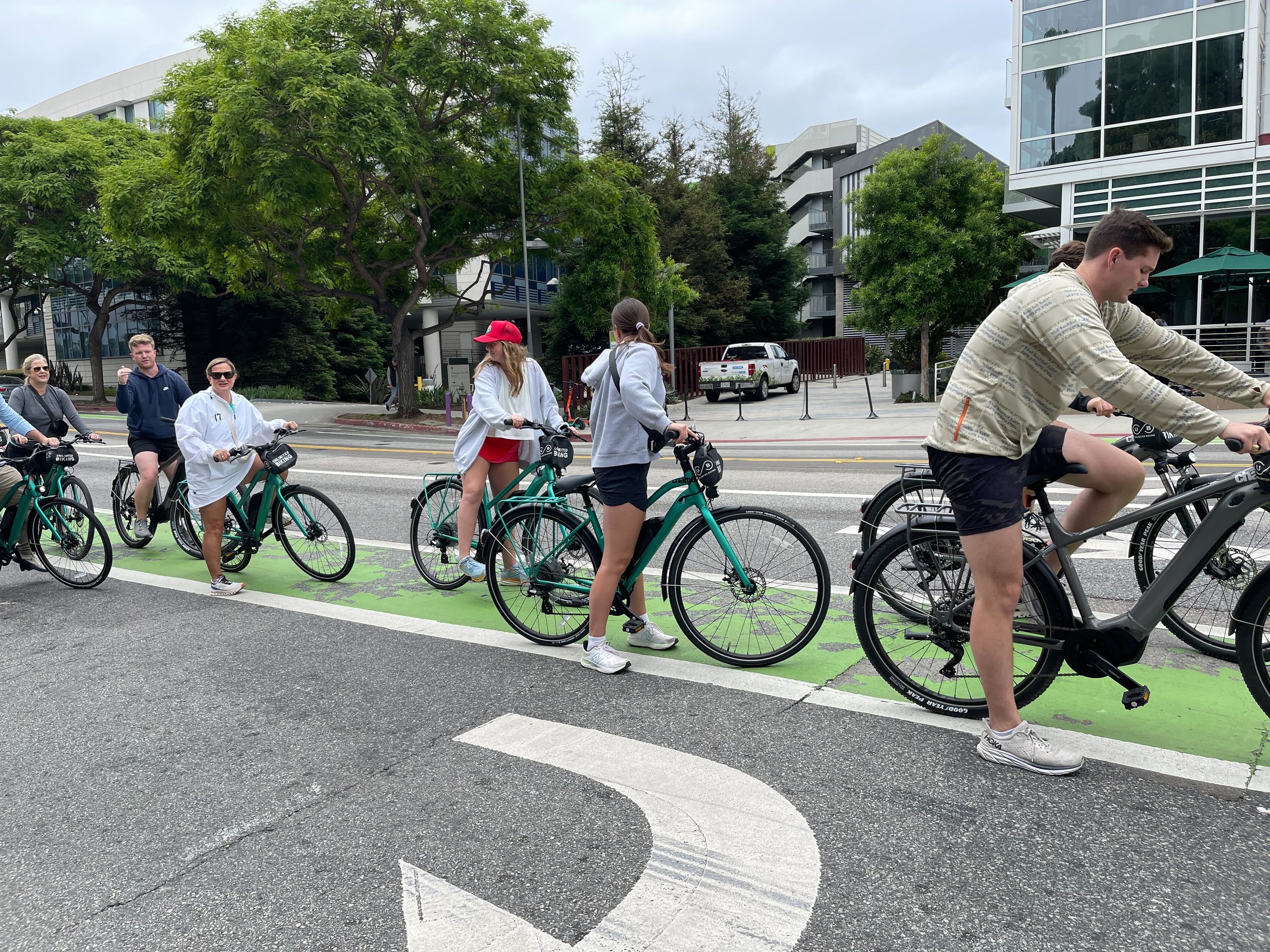
Top E-Bike Adventures in Sherman Oaks, California
Sherman Oaks E-Bike Guide

Top E-Bike Adventures in Sherman Oaks, California

Sherman Oaks is an unlikely e-bike playground: a valley of wide residential streets, pocketed greenways, and quick access to the Santa Monica Mountains. For riders who want the effortless speed and gentle climb-assist of an e-bike, this neighborhood unpacks into slow, cinematic cruises along tree-lined avenues, fast commutes to Ventura Boulevard coffee shops, and punchy rides that reach canyon singletrack and coastal paths with minimal sweat.

San Fernando ValleySepulveda BasinMulholland Corridor

Live destination inventory

Top E-Bike Trips in Sherman Oaks

18 trips · Book with confidence · Instant confirmation

The prototype intentionally does not invent replacement trip cards or add images that are not already part of the live source page.

The city from the water

Why Sherman Oaks Works So Well for E-Bikes

On a quiet morning in Sherman Oaks, the world feels measured to the cadence of an e-bike. You glide under a canopy of jacaranda and palm fronds, past mid-century bungalows and strip-mall cafés where the barista already knows the weekday commute. The pedal-assist hums like a small, polite engine—not the raw roar of a motorcycle, but enough to let you chase light across the valley with a fraction of the effort a conventional bike requires. Sherman Oaks sits at the confluence of suburban calm and regional access. The neighborhood itself is pleasantly varied: level, wide streets that invite relaxed cruising; bike-friendly corridors—some painted with new lanes, some still shared with cars—that connect to Ventura Boulevard’s lively strip of shops and eateries; and a handful of green arteries that lead into larger natural systems: the broad, grassy Sepulveda Basin to the west, the shoulder of the Santa Monica Mountains to the south, and riparian stretches that feed into Los Angeles’s larger cycling network. For e-bike riders this geography is a rare convenience. Pedal-assist turns what would otherwise be a logistical chore—getting to a trailhead, climbing a Mulholland ridge, or linking neighborhoods across arterial roads—into an extension of the ride itself. The appeal is not only practical. E-bikes in Sherman Oaks open up a range of complementary experiences. A late-morning loop can take you from an espresso stop on Ventura to a riverside path where paddleboarders drift in the basin’s calm ponds; an afternoon ride can reach the fire roads above the valley—where permitted—to earn views of the Santa Susana peaks and a cool descent back into the grid; and an evening trip down to a nearby rail or bike path can convert a commute into a micro-adventure as the sky changes color. The result is a local rhythm for riders: short, purposeful outings that double as errands and longer, exploratory jaunts that touch different ecologies of Los Angeles. Practical realities matter. Battery range, weight, street etiquette, and local regulations shape the experience. Many residential routes are forgiving—short rises and manageable distances—so mid-range batteries and Class 1 or Class 3 e-bikes perform well. Heat and sun are real considerations in summer, so timing rides for morning or late afternoon preserves range and comfort. Shared-use paths are common; riders must be ready to yield to pedestrians, slow through congested commercial stretches, and secure their bikes when stopping at cafés or trailheads. Sherman Oaks is not a mountain-bike mecca, but it is an ideal urban-e-bike hub: a place to ride with intention, to stitch together city and canyon, and to experience Los Angeles at human speed with a little electrical generosity. For someone weighing the practical and the poetic, the neighborhood offers both—the convenience of a valley grid and the possibility of reaching wild spaces without a long drive. That combination is why e-bikes feel less like a tool here and more like a way to reclaim time and terrain in a sprawling city.

E-bikes expand the accessible radius: errands, cafes, and green spaces fall within comfortable range, reducing reliance on cars for short trips.

Infrastructure varies—recent lane and path improvements have made key corridors more rideable, but riders should expect mixed conditions and share lanes with local traffic.

The harbor is the gateway, and the Pacific becomes the classroom.

Access to nearby canyon roads and fire roads means you can combine street riding with gravel or dirt approaches; check local rules and signage before continuing onto singletrack.

Activity focus

Choose by purpose

Whale watching, snorkeling, sunset sailing, cultural canoeing, harbor sightseeing, or private chartering.

Departure hubs

Start near the city

Waikiki and Honolulu Harbor are primary hubs, with some trips launching near Hanauma Bay.

Accessibility

Confirm the vessel

Gangways, shaded seating, and boarding requirements vary according to vessel size and operator.

Seasonal planning

Best Time to Visit

Sherman Oaks is warm year-round, but wind, swell, migration, visibility, and demand change the best match between traveler and trip.

Sherman Oaks boat tour
Year-round destination

Seasonal highlights change the reason to go

Winter favors humpback encounters; warmer, calmer months favor snorkeling visibility and smoother water.

Humpback season

Spring and fall are busiest for recreational riders and local cafés—weekends see heavier pedestrian and bike-path use.

Prime whale watching, winter holidays, higher demand, and earlier sell-outs.

Snorkeling window

March–April–May–September–October–November

Typically gentler seas and clearer water for snorkeling trips.

Weather notes

Trade winds year-round

Sherman Oaks has a Mediterranean climate: mild, dry winters and warm, sunny summers. Spring and fall offer the most comfortable daytime temperatures for e-biking; summer afternoons can be hot and degrade battery performance—plan early-morning or late-afternoon rides. Coastal marine layer sometimes cools the valley in the morning but usually burns off by midday.

Quieter opportunities

Late spring & summer weekdays

Winter weekdays are quieter for urban rides, and discounts may be easier to find from rental providers; occasional rain can make mixed surfaces slippy—choose route and tires accordingly.

Match the trip to your comfort

Choose Your Experience Level

Low effort

Beginner

Short, low-stress rides on flat streets and multi-use paths—ideal for newcomers to e-bikes or families wanting a relaxed outing.

  • Ventura Boulevard café loop (short urban cruise and stops)
  • Sepulveda Basin grassy loop and model airplane overlooks
  • Neighborhood street tour with parks and small shopping strips
Active day trip

Intermediate

Longer loops that combine neighborhood streets with dedicated bike corridors, moderate climbs toward canyon approaches, and mixed-surface segments.

  • Ventura-to-Sepulveda multi-use path and basin connectors
  • Mulholland feeder road climbs with return through residential descents
  • Linking Sherman Oaks to Studio City and Coldwater Canyon for canal-path mileage
Longer or technical

Advanced

Long day trips that push battery range, include sustained climbs on canyon approaches, or combine road riding with permitted gravel fire roads and technical sections where e-bike access is allowed.

  • Full-day canyon approach to the Santa Monica Mountains (route planning required)
  • E-bike assisted point-to-point rides connecting valley to coastal boardwalks via regional bike corridors
  • Fast-paced training loops on major arterial roads during low-traffic windows

Prepare for sun, spray, and swell

What to Bring

Essential

Core kit

  • Helmet (comfortable and well-ventilated)
  • Charged e-bike battery or battery with known range for planned distance
  • At least one water bottle and small hydration pack for longer loops
  • Lock (U-lock recommended) and lights if riding early or late
  • Phone with offline map or navigation app
Recommended

Useful extras

  • Spare mini-pump and puncture repair kit (e-bikes can still get flats)
  • Short extension cord or portable charger for topping off batteries if you’ll be at a café for extended time
  • Reflective vest or high-visibility layer for urban arterial segments
  • Sunglasses and sunscreen for valley sun exposure
Optional

Trip-specific

  • Compact cargo rack or trunk bag for groceries and errands
  • Light rain shell for unexpected showers during shoulder seasons
  • Foldable helmet lock or bracket for quick stops
Check local signage and municipal websites for the latest e-bike access rules; always plan for battery management and secure parking.

Insider Tips & Local Knowledge

Reserve whale-watching and popular sunset cruises well ahead during December–April.
Choose morning snorkeling departures for calmer seas and better underwater visibility.
For motion sensitivity, choose a larger vessel, sit mid-ship, and take preventative medication before boarding.
Do not touch coral or wildlife, avoid standing on reefs, and use reef-safe sunscreen.
Community-based operators may add context about traditional navigation and stewardship.
Arrive early for parking and check-in because Waikiki departure areas can be busy.

Planning questions

Frequently Asked Questions

No general permit is required to ride an e-bike on public streets and most bike paths in the city. Regulations around e-bike class and trail access vary by jurisdiction and land manager—always check signage at trailheads and the most recent city or county guidelines before heading onto restricted singletrack or protected habitats.
Top E-Bike Adventures in Sherman Oaks, California
Ready for your e-bike adventure?

Browse 18 verified trips in Sherman Oaks.

Compare current availability and book with instant confirmation.

Explore Sherman Oaks e-bike