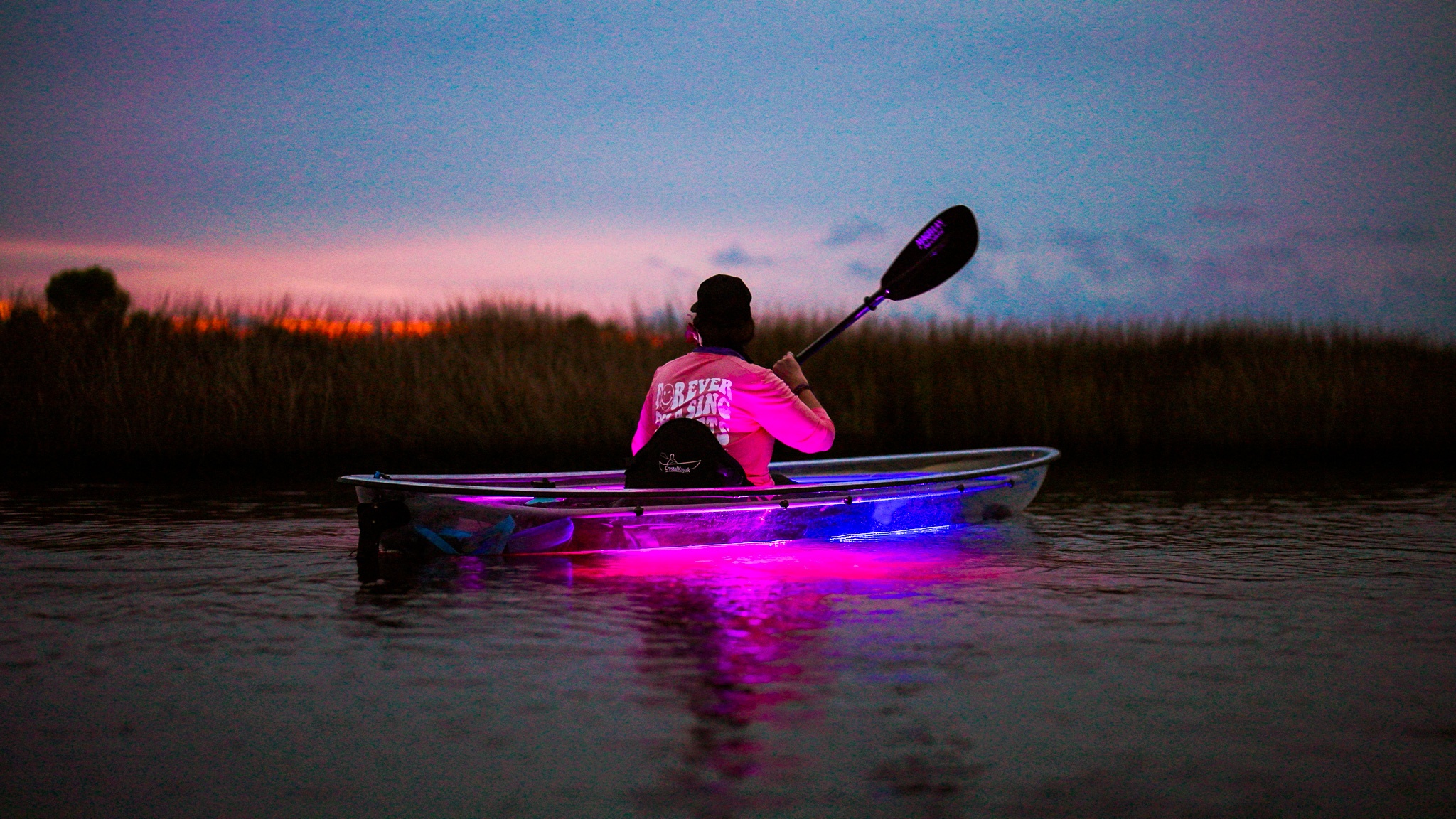
Top 16 Kayak Adventures in Shalimar, Florida
Shalimar is a compact coastal town that opens directly onto a patchwork of sheltered bays, tidal creeks, and wide-water crossings across the northern edge of the Gulf. Kayakers here find a rare combination: flat, navigable water for beginners, intricate marsh mazes for exploration, and long bay crossings that test endurance and navigation on windier days. This guide focuses on the paddling — from gentle family-friendly launches to longer coastal linkups — while weaving in related experiences like stand-up paddleboarding, inshore fishing, and birding.
Top Kayak Trips in Shalimar
16 trips • Book with confidence • Instant confirmation
Why Shalimar Is a Standout Kayak Destination
Shalimar feels like a magnet for small-boat exploration because its water is the story. The town sits tucked against the northern edge of Choctawhatchee Bay, a broad estuary where freshwater creeks meet the tide and the Gulf's influence fades into long, shallow flats. Paddling here is both intimate and expansive: one moment you're threading a shadowed creek lined with mangroves and oyster bars, the next you're skirting a wide bay where the horizon loosens and you suddenly see distant barrier islands and the silver backs of dolphins. The variety of routes — short sheltered circuits for families, hidden oyster islands for picnic landings, and longer crossings that demand tidal and wind awareness — makes Shalimar valuable to a broad range of paddlers.
Ecology is central to the experience. Submerged seagrass beds dye the water jade, providing nursery habitat for fish and a buffet for wading birds like herons and egrets. Oystering and marsh grasses shape the shoreline; their micro-ecosystems support shorebirds, fiddler crabs, and the odd manatee in colder months. This connection to place means paddling here is rarely just exercise: it's a seasonal lesson in tides, migrations, and the rhythms of a Gulf Coast estuary. Early spring brings a green-up and migratory bird passages; summer fills the shallows with juvenile fish and long, calm mornings ideal for flatwater loops; fall cools the air and offers glassy conditions between passing cold fronts.
From a practical perspective, Shalimar's geography is forgiving for learners. Many launch points deposit you immediately into protected water, and sheltered channels let novices practice strokes and rescues without the anxiety of waves. Simultaneously, the bay's scale allows more ambitious paddlers to string together long days — crossing to neighboring towns, linking to winding creeks, or timing a run with an outgoing tide for a fast return. Wind and boat traffic are the two variables that most change a planned outing; on breezy afternoons the bay can develop rolling chop, and weekends see increased recreational and small-craft fishing traffic near popular ramps.
Culturally and historically, the shoreline reflects the Gulf's working-coast identity. Small docks, bait shops, and family-run marinas hint at fishing traditions while occasional ruins of pilings and forgotten boat hauls mark the coastline's changing uses. For travelers, kayaking in Shalimar is an invitation to slow down and read the water — to notice birds, shell patterns, and the way light changes when clouds move over the bay. Whether you come for an easy half-day circuit with kids or a purposeful 12–15 mile crossing, the paddling here rewards attention and simple good planning.
Protected estuaries and connected creeks make Shalimar a strong choice for families and new paddlers seeking safe, scenic outings.
The bay's scale also allows for longer, navigationally satisfying trips; paddlers comfortable with wind and tide can craft point-to-point crossings and exploratory loops.
Wildlife encounters are frequent: dolphins play in the channel, wading birds hunt the flats, and seasonal migrations bring flocks of shorebirds and raptors.
Be mindful of wind and passing boat traffic — a calm morning can shift quickly into a choppy afternoon as sea breezes pick up.
Best Time to Visit
Best Months
Weather Notes
Spring and fall offer the most stable weather and comfortable air temperatures; summer is warm and humid with frequent afternoon thunderstorms; winter has fewer storms and cooler mornings but is still paddlable on most days. Sea breezes pick up in afternoons, increasing chop on exposed bay crossings.
Peak Season
Late spring and early fall (holiday weekends and warm-weather months see the most recreational traffic).
Off-Season Opportunities
Winter and early spring provide quieter launch sites and excellent birding; cooler water means fewer swimmers but often clear, calm conditions for windy-averse paddlers.
Frequently Asked Questions
Do I need a permit to kayak in Choctawhatchee Bay?
Most public launch sites do not require a permit to kayak; however, some city or county parks may have parking fees or require vehicle permits. Always check signage at launch points.
Are there kayak rental services or guided trips near Shalimar?
Yes. Nearby outfitters in the region offer single and tandem rentals, guided eco-tours, and instruction. Advance booking is recommended on weekends and holidays.
Is it safe to paddle alone in Shalimar waters?
Solo paddling is common but requires additional caution: inform someone of your route and expected return, carry communication and safety gear, and avoid long bay crossings in marginal weather.
What hazards should paddlers expect?
Primary hazards are wind-driven chop on open water, boat traffic near ramps and channels, oyster beds and shallow shoals at low tide, and changing weather. Tides and currents can affect ease of return on some routes.
Choose Your Experience Level
Beginner
Short, sheltered loops in channels and small bays that provide calm water and easy landings. Ideal for families, newcomers, and skill-building practice.
- Protected marsh circuit in a shallow creek
- Half-day bay loop with a picnic island landing
- Introductory kayak-and-birding morning
Intermediate
Longer point-to-point paddles, seasonal tidal runs, and routes that require comfort with navigation, basic rescues, and variable wind conditions.
- Crossing to a neighboring spit or small barrier island
- Tidal-assisted downstream route with a return ferry or shuttle
- Half-day exploratory trip through oyster flats and mangrove channels
Advanced
Extended crossings across Choctawhatchee Bay, open-water passages with significant wind exposure, and multi-hour expeditions that require self-sufficiency and strong navigation skills.
- Long bay crossing linking to adjacent coastal towns
- Coastal linkage that includes exposed shorelines and surf-zone entries/exits
- Full-day exploratory runs timed around tidal windows
Insider Tips & Local Knowledge
Check tide charts, watch the wind, and arrive early on weekends to secure parking at popular launch spots.
Start paddles in the morning when winds are typically lighter and the bay is glassy. Learn the local tide and current patterns — an outgoing tide can speed a return, but misjudging tidal range may leave you slogging through shallow flats. Use a towline or car shuttle for one-way routes if you want a longer, exploratory trip without retracing your path. Respect private docks and marked oyster beds; many of the best beaches and shell bars are small and easily impacted by foot traffic. For wildlife viewing, move slowly and keep distance: dolphins often feed near channels and will be visible from a respectful distance. If you're unfamiliar with bay crossings, consider hiring a local guide for the first time to learn favored routes, hazards, and the best local landings. Finally, carry a basic VHF or a charged cell phone in a dry bag; cell coverage is generally good but can be spotty near marshy inlets.
What to Bring
Essential
- Coast Guard–approved personal flotation device (PFD)
- Dry bag with phone, map, and emergency contact info
- Water and high-energy snacks
- Sun protection: hat, sunglasses, reef-safe sunscreen
- Footwear for rocky or oyster-strewn landings
Recommended
- Spare paddle and paddle leash
- Bilge pump or sponge and small repair kit
- Lightweight waterproof jacket for wind or quick showers
- Navigation aid: waterproof chart, compass, or phone app with offline maps
- Insect repellent for marshy launch sites
Optional
- Binoculars for birding
- Fishing license and light tackle if you plan to fish
- Small first-aid kit
- Camera in a floating, waterproof case
Ready for Your Kayak Adventure?
Browse 16 verified trips in Shalimar with instant booking
Explore Top 15 Shalimar, Florida Adventures →