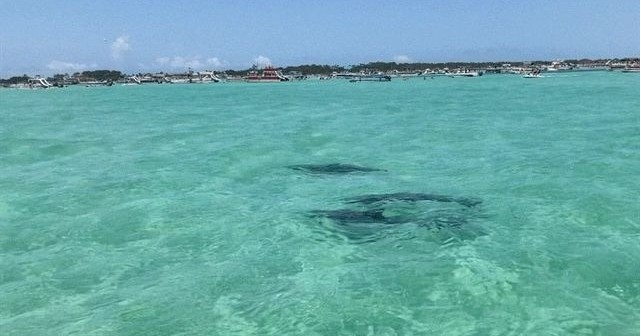
Why Dolphin Watching Near Shalimar Feels Like a Revelation
On a clear morning in Shalimar the water looks like polished silver, and then a dorsal fin slices through the glass—small, precise, and instant. Dolphins here are both wild and accustomed to a human presence: they ride the bow waves of offshore charters, thread through the mouths of creeks, and turn the stretch between bay and sea into a living classroom. The proximity of shallow estuaries, sandbars, and deeper gulf channels creates a layered habitat where fish and crustaceans funnel into predictable feeding zones. For a visitor, that means more opportunities to observe natural behaviors—surfacing, social play, cooperative hunting—without a long run offshore.
Shalimar's coastline and adjacent bays host mostly common bottlenose dolphins (Tursiops truncatus), the archetypal coastal dolphin of the southeastern United States. Pods vary from small family groups—mothers with calves and a few relatives—to larger assemblies that gather where food is abundant. Because these dolphins are resident to the area, you’ll often get multiple close encounters in a single outing: a calf practicing leaps, a teenage dolphin tail-slapping, an adult gliding silently along a channel edge. But the magic here isn’t only the species; it’s the ecological choreography. Tides and currents shape the shoreline’s underwater topography, concentrating baitfish along points and troughs; dolphins exploit these patterns, timing their movements with the tide and the shifting light.
Beyond the biology is the cultural texture of the place. Shalimar sits in a coastal corridor shaped by fishing, boating, and a long relationship with the sea. Local captains and guides read dolphin behavior the way a hiker reads a map—picking out feeding lanes, interpreting the time of day when pods are most active, and pointing out subtle signs that a pod is riding the bow rather than stressed by it. That local knowledge makes the experience richer: instead of a single, cinematic breaching moment, you’re invited into an unfolding rhythm that includes brief schooling pulls, quiet surface rolls, and the soft, social squeaks that travel through the hull if you’re lucky.
Experiencing dolphins in Shalimar is active and flexible. Launch options range from short, family-friendly bay cruises and guided kayak trips that let you float into shallow flats, to private charters that run deeper along barrier islands. Kayak and paddleboard trips offer intimate vantage points—quiet, low, and movable—while larger boats create the speed to reach offshore sandbars and channels by morning. Visitors commonly pair dolphin watching with tide-aware activities: early-morning birding on marsh edges, fly-fishing off the flats, or snorkeling near nearshore reefs when conditions allow. Each combination changes the tempo of your day and your chance encounters.
Finally, the ethics of viewing are central to lasting access. Shalimar’s best operators follow a simple rule set: never feed or touch wild dolphins, maintain slow and parallel approaches, and avoid separating calves from mothers. Observing from an informed distance keeps animals wild and ensures sightings remain predictable for other visitors. For travelers who want something deeper than a snapshot, ask guides about local conservation efforts—stranding response networks, habitat restoration projects, and how to report injured animals. These conservation threads are part of what makes dolphin experiences in Shalimar feel like more than a checklist: they become a way to connect, responsibly, with a living coastal system.
Behavioral rhythm: Dolphins in the Shalimar area follow tidal and light patterns; mornings and late afternoons often concentrate activity around shallow feeding zones.
Access variety: Choose quiet kayaks for stealth and photography, or larger charters for a broader search radius—both offer quality viewing when matched to conditions.
Choose by purpose
Whale watching, snorkeling, sunset sailing, cultural canoeing, harbor sightseeing, or private chartering.
Start near the city
Waikiki and Honolulu Harbor are primary hubs, with some trips launching near Hanauma Bay.
Confirm the vessel
Gangways, shaded seating, and boarding requirements vary according to vessel size and operator.