3

Top Kayak Adventures in Shady Hills, Florida

Shady Hills, Florida

Shady Hills sits at the crossroads of quiet inland waterways and pine-flanked creeks that feed into the Gulf’s estuaries. For paddlers it’s a study in contrasts: glass-smooth spring runs where manatees and sun-lit sandbars punctuate slow floats, narrow tannic creeks that snake beneath live oaks, and easy coastal launches for exploring bay islands at low tide. This guide focuses on how to experience Shady Hills by kayak—what the water feels like, when to go, and how to plan outings that match your skill level.

60
Activities
Year-round (best in spring & fall)
Best Months

Top Kayak Trips in Shady Hills

60 trips • Book with confidence • Instant confirmation

Why Shady Hills Is a Standout Kayak Destination

Shady Hills is the kind of place that rewards attentive paddlers. The water here changes personality over short distances: broad, slow-moving freshwater channels give way to narrow, cedar-lined creeks that feel almost secret; tidal flats and estuaries open into broad views of the Gulf on still days. For anyone who loves being close to water — not just staring at it but moving through it — Shady Hills offers an accessible palette of paddling environments. On a single weekend you can glide over spring-clear sand shoals that reveal shoals of mullet beneath your hull, listen to wading birds hawk the shoreline from exposed roots, and drift through shaded tunnels where the only sound is the whisper of paddle blades.

The landscape that shapes paddling here is distinctly Floridian: low relief, a mosaic of pine flatwoods and freshwater wetlands, and a network of springs and rivers that feed into tidal systems. That means paddling is rarely about steep technical challenge or long open-ocean crossings; instead it’s a study in route choice, timing, and wildlife awareness. The right tide can turn a quiet estuary into a navigable thoroughfare that connects hidden oyster bars and bird rookeries; conversely, a low tide reveals sandbars and sea-grass beds that make for beautiful—if sometimes shallow—exploration. In the springs and spring-fed runs nearby, the water is often startlingly clear, making shallow snorkeling, photography, and manatee-watching natural companions to a kayak trip.

What also makes Shady Hills appealing is accessibility. Many put-ins are family-friendly: short carries from parking to launch points, calm flatwater for first-time paddlers, and numerous outfitters and guided options within a short drive. That accessibility coexists with solitude—early mornings and weekday launches can feel like private worlds. The region also pairs well with other low-key outdoor pursuits that complement a paddling trip: light hiking through pinewoods, saltwater fly-fishing from a skiff, birding at marsh edges, or snorkeling in clear springs. For paddlers who appreciate both relaxation and attentive outdoor practice, Shady Hills is a place to learn the rhythms of tides and seasons, to watch light track across the water, and to leave the noisy parts of civilization behind without a long drive.

Paddling variety is the draw: calm spring runs, narrow tannin-dark creeks, tidal estuaries, and easy coastal launches exist within short drives of one another.

Shady Hills is ideal for families and newcomers—many routes are short, shallow, and sheltered—while still offering longer scenic day trips for experienced paddlers.

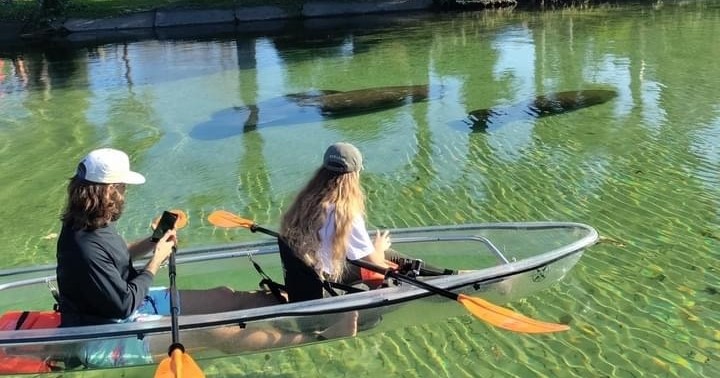
Wildlife watching is excellent: migratory shorebirds, wading birds, occasional manatee visits in adjacent springs, and estuarine fish life make for rich encounters.

Tidal timing matters here more than wind: planning around tides transforms accessibility to islands, oyster bars, and narrow channels.

Local outfitters provide shuttles, guided trips, and rentals, making it simple to plan single- and multi-launch routes without specialized gear.

Activity focus: Kayak (flatwater, estuary, spring-run, and coastal paddle options)
Accessible put-ins with short carries—good for families and beginner paddlers
Tides, springs, and seasonal water levels shape trip options
Wildlife-rich paddling—bring a camera and binoculars
Guided tours available; self-guided options common for experienced paddlers

Best Time to Visit

Best Months

MarchAprilMayOctoberNovember

Weather Notes

Spring and fall offer the most comfortable air and water temperatures and fewer summer thunderstorms. Summer brings heat, humidity, and afternoon storms; winter is mild but can be cooler on the water and occasionally brings increased manatee activity to nearby springs.

Peak Season

Late spring and fall weekends are busiest, especially during holiday periods and warm-weather weekends.

Off-Season Opportunities

Winter weekdays can provide quieter waterways and better manatee viewing in nearby springs; summer dawn launches avoid midday heat and storms.

Frequently Asked Questions

Do I need a permit to launch?

Permit requirements vary by specific put-in and managed lands; many public boat ramps and park launches are free or have parking fees—check the local park or county website for current rules before you go.

Are rentals and guided trips available?

Yes. Local outfitters and guides in the broader Pasco County area offer rentals, guided estuary tours, and shuttles—great options if you don’t have your own kayak or want local knowledge.

Is wildlife a hazard—what should I watch for?

Wildlife encounters are a highlight. Expect birds, fish, and occasionally large reptiles in backwater areas. Keep a respectful distance from manatees and nesting birds; be cautious of low-visibility shallow shoals that can ground boats.

Choose Your Experience Level

Beginner

Short, sheltered flatwater paddles on calm spring runs and protected estuary sections—ideal for first-time kayakers and families.

  • Half-day spring run float
  • Calm estuary loop with frequent landings
  • Guided intro paddle with gear provided

Intermediate

Longer day trips that require tide and route planning, shallow-water navigation, and basic self-rescue familiarity.

  • Tide-timed bay island exploration
  • Multi-hour creek-to-estuary route
  • Guided birding paddle with moderate mileage

Advanced

Extended routes that cross open flats or require careful timing and route-finding around oyster bars and tidal channels; wind and weather management are important.

  • Cross-bay navigations at low wind
  • Backcountry coastal day trip with route finding
  • Multi-launch paddling loop requiring shuttle logistics

Insider Tips & Local Knowledge

Check tides and local water levels before you launch; pack defensively for sun and insects; respect wildlife and private property.

Start paddles near dawn for calm water, fewer boats, and better wildlife sightings. Tide charts change which islands and oyster bars are accessible—plan routes around an incoming tide to avoid long, awkward returns across exposed flats. If you’re new to the area, consider a guided trip the first time; guides know shallow channels, hidden put-ins, and wildlife hotspots. Keep dry layers and a change of clothes in a dry bag—wind off the bay can cause quick temperature shifts. Lastly, practice leave-no-trace paddling: secure trash, avoid disturbing bird nesting sites, and use established put-ins to protect fragile shoreline vegetation.

What to Bring

Essential

  • USCG-approved life jacket (PFD)
  • Waterproof/dry bag for phone and layers
  • Plenty of water and sun-protective clothing
  • Sunscreen and polarized sunglasses
  • Appropriate footwear for wet landings and shallow shoals

Recommended

  • Spare paddle and paddle leash
  • Lightweight first-aid kit
  • Map or GPS with shoreline waypoints
  • Insect repellent (especially in warmer months)
  • Whistle or signaling device

Optional

  • Lightweight spray skirt (for sit-inside boats and windy days)
  • Binoculars for birding
  • Camera with floating strap
  • Small anchor or stake for fishing or photography stops

Ready for Your Kayak Adventure?

Browse 60 verified trips in Shady Hills with instant booking

Explore Top 15 Shady Hills, Florida Adventures →