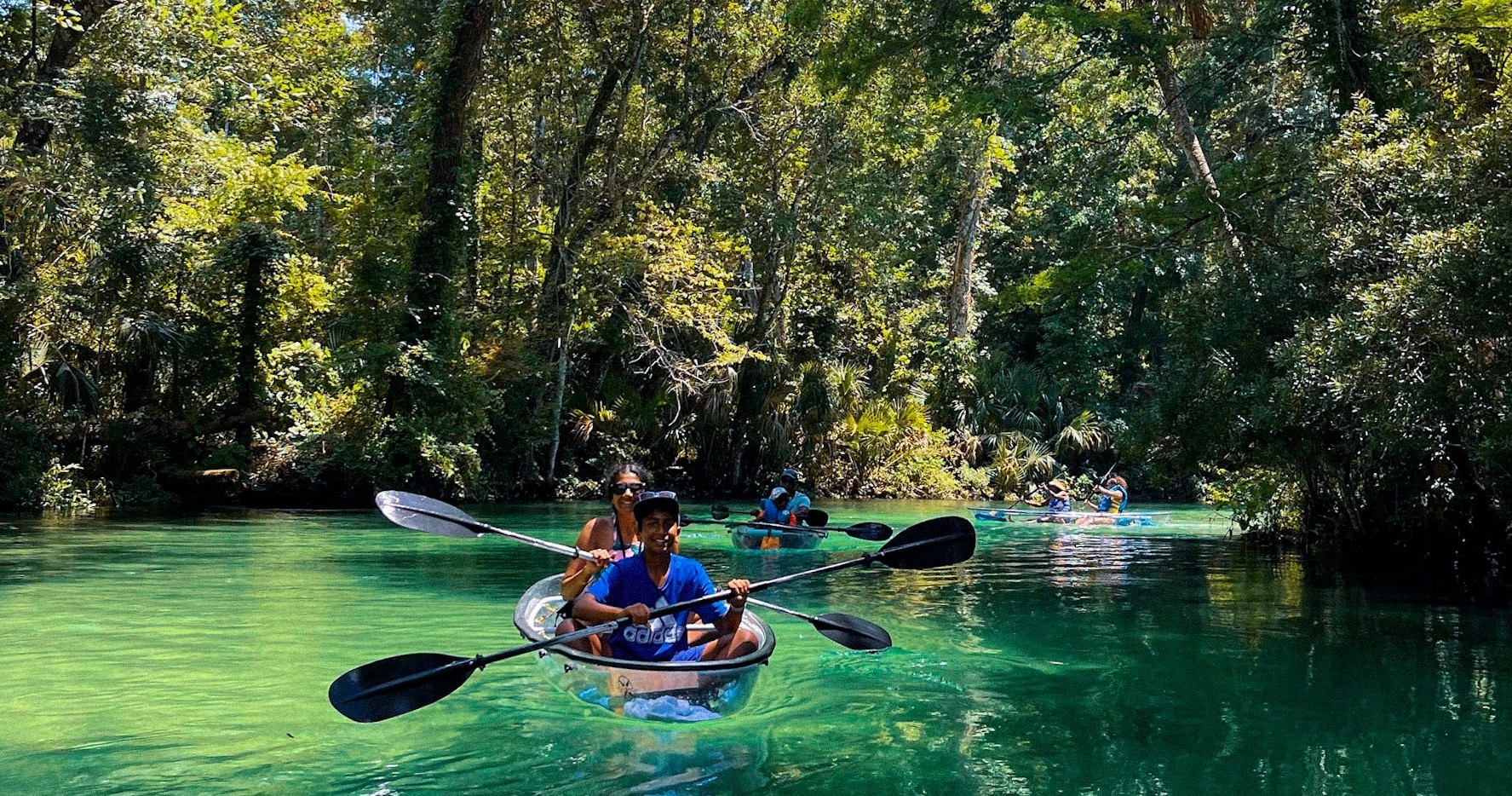
Eco Tours in Shady Hills, Florida
Shady Hills is a low-slung, water-rich pocket of West Central Florida where guided natural-history outings turn shallow bays, spring-fed creeks, and pine-dotted scrub into immersive classrooms. Eco tours here emphasize intimate wildlife encounters, hands-on interpretation, and low-impact paddling or boardwalk walks—ideal for visitors who want to trade sightseeing for slow, attentive exploration of a subtropical landscape.
Top Eco Tour Trips in Shady Hills
30 trips • Book with confidence • Instant confirmation
Why Eco Tours in Shady Hills Matter
There is a particular rhythm to Shady Hills—flat horizon lines interrupted by the ghostly trunks of cypress, the high whisper of palmetto fronds, and the slow silvering of water when sunlight finds it. Eco tours here are less about conquering terrain than about attuning to it: the patient work of learning where birds like to perch, how water flows under a wetland's skin, and why a single spring-fed pool can be the core of a neighborhood ecosystem. Guides lean on a mix of natural history, local culture, and conservation practice to translate what might otherwise look like “just swamp” into a web of seasonal migrations, plant adaptations, and human stories threaded through the landscape.
The region's gentle topography rewards a different pace of adventure. Kayak and paddleboard tours slip quietly along tannic waterways, offering close-up views of sashaying wading birds, turtles basking on half-submerged logs, and—on patient days—the slow rise of a manatee's nostrils. Boardwalk and tram-style walks widen the audience: families, older visitors, and anyone who wants a tactile way to learn. Many outfits structure trips around specific themes—spring wildflower surveys, nocturnal frog watches, or mangrove ecology along estuarine edges—so the same stretch of water can reveal new life with each season.
That intimacy has a practical edge. Eco tours in Shady Hills are often run by small local operators or non-profits focused on stewardship; their itineraries are shaped as much by conservation priorities as visitor enjoyment. Expect focused group sizes, interpretive stops, and an orientation toward ‘leave no trace’ principles tailored to fragile freshwater and coastal habitats. From a planning standpoint, that means booking in advance during peak bird migration, packing for mosquitoes in summer, and being ready to shift plans if water levels or local wildlife closures require it. For travelers who want to pair the tours with other outdoor activities, the area is well-suited to low-impact combinations: a morning paddling with an afternoon birding drive, or a spring eco-walk followed by a late-day kayak to trace the light on the estuary.
Culturally and historically, the eco-tour lens also surfaces deeper narratives: citrus groves that once stitched the region's economy, early steamboat routes, and the long presence of Indigenous peoples whose knowledge of springs and seasonal cycles informed later settlement patterns. Contemporary conservation issues—water quality, invasive plants, and habitat fragmentation—also surface on informed tours, and many outfitters introduce ways visitors can contribute to local efforts, whether through volunteer days, donations to restoration projects, or simply by choosing low-impact vendors.
In short, an eco tour in Shady Hills is oriented around slowing down, listening closely, and returning from a short excursion with a clearer sense of place and agency. It’s a style of travel that rewards curiosity: the more questions you bring, the richer the landscape becomes.
Small-group formats: Expect guided trips that favor small groups (often under 12) for better wildlife viewing and lower environmental impact. Local guides prioritize observation etiquette and explain how to read the landscape—what plant communities indicate about water flow, or where shorebirds feed at low tide.
The range of experiences: From easy, family-friendly boardwalk walks and short kayak trips to multi-hour paddle routes that thread rivers and marshes, Shady Hills offers eco tours suitable for most fitness levels. Specialized night tours and seasonal migration-focused outings give repeat visitors new perspectives.
Conservation-first approach: Many operators partner with conservation groups. Tours commonly emphasize habitat restoration, water-sampling projects, and responsible wildlife viewing. Visitors often leave with practical ways to support local conservation efforts.
Best Time to Visit
Best Months
Weather Notes
Late fall through spring brings cooler, drier weather and peak migration activity—ideal conditions for paddling and birding. Summers are hot, humid, and mosquito-prone with frequent afternoon storms and higher chances of algal blooms in stagnant waters.
Peak Season
Winter and early spring (December–March) for migratory birds and mild weather; book guided tours in advance during holiday weeks.
Off-Season Opportunities
Summer (June–September) can bring fewer crowds and lush vegetation; early-morning tours avoid heat and insects. Operators may offer discounted rates or specialized night tours during the off-peak months.
Frequently Asked Questions
Do I need prior paddling experience for kayak eco tours?
Most operators design routes for beginners and provide a safety orientation and basic paddling instruction. Let the provider know your comfort level and any mobility concerns ahead of time.
Are eco tours suitable for children?
Yes—many family-friendly tours are available. Age minimums vary by operator and activity (paddleboard/kayak trips often set age limits for safety). Boardwalk and wildlife-watching walks are typically best for younger kids.
Will I see manatees, birds, or other wildlife?
Sightings cannot be guaranteed, but guided tours are timed and routed to maximize chances of observing regional wildlife—wading birds, raptors, turtles, and seasonally manatees in cooler months.
Do I need permits or passes to join a tour?
Most guided eco tours include any necessary access fees; personal permits are generally not required for private guided outings. For independent exploration, check local park rules and boat-launch regulations.
Choose Your Experience Level
Beginner
Short boardwalk walks, tram-style nature tours, and sheltered estuary kayaks with low paddling demands. These offer interpretive stops and are family-friendly.
- Boardwalk wetlands interpretive walk
- Introductory kayak on a calm spring run
- Short estuary boat tour focused on birds
Intermediate
Longer paddle routes, mixed wetland-to-coast tours, and guided birding hikes requiring moderate fitness and basic paddling ability.
- Half-day paddle weaving through marsh channels
- Guided birding drive plus short estuary kayak
- Sunset paddle with interpretation
Advanced
Multi-hour cross-estuary routes, longer open-water paddles, or backcountry-style explorations that require strong paddling skills, navigation comfort, and preparation for changing conditions.
- All-day coastal paddle with tidal planning
- Remote marsh exploration requiring shallow-water navigation skills
- Specialty night ecology tours for experienced participants
Insider Tips & Local Knowledge
Eco tours prioritize wildlife and habitat health—pack with low impact in mind and follow guide instructions closely.
Book early for winter and spring weekends; mornings offer the best light and wildlife activity. Summer demands an earlier start to avoid heat and afternoon storms; bring effective insect repellent and consider long sleeves for sun and bugs. Respect viewing distances—guides will advise when to stay back to avoid disturbing nesting birds or resting manatees. If you're photographing wildlife, limit flash and rapid approach; telephoto lenses are ideal. Support local stewardship: consider a tour operator who contributes to habitat restoration or community science programs. Finally, ask guides about seasonal closures and algal-bloom advisories—conditions on Florida waterways can change quickly, and responsible operators will reroute or reschedule to protect both guests and the environment.
What to Bring
Essential
- Lightweight sun protection (wide-brim hat, long-sleeve sun shirt)
- Insect repellent (DEET or picaridin recommended in summer months)
- Reusable water bottle and hydration plan
- Closed-toe water shoes or sturdy sandals for boats and boardwalks
- Binoculars for bird and wildlife viewing
Recommended
- Quick-dry layers and a light waterproof shell (afternoon storms possible)
- Small waterproof dry bag for phone, camera, and snacks
- Light tripod or monopod for nature photography
- Snack bars or energy snacks for longer excursions
Optional
- Waterproof notebook and pen for jotting observations
- Portable charging bank
- Field guide to regional birds and plants
Ready for Your Eco Tour Adventure?
Browse 30 verified trips in Shady Hills with instant booking
Explore Top 15 Shady Hills, Florida Adventures →