Top 8 Sailing Adventures in Seymour, New Jersey
Seymour Sailing Guide

Top 8 Sailing Adventures in Seymour, New Jersey

Seymour's shoreline is an intimate classroom for sailors—where tidal rhythm, steady summer sea breezes, and short coastal hops make for approachable day sailing and skill-building. This guide focuses on sail-specific experiences: learn-to-sail clinics, sheltered estuary cruises, racing clinics, and short overnight passages that pair local waters with calm anchorages and easy onshore logistics.

Estuary & River SailingDay SailsCoastal AccessInstructor-Led Lessons

Live destination inventory

Top Sailing Trips in Seymour

8 trips · Book with confidence · Instant confirmation

The prototype intentionally does not invent replacement trip cards or add images that are not already part of the live source page.

The city from the water

Why Seymour Is a Standout Sailing Destination

There is a particular calm to sailing from a small New Jersey waterfront town: the rhythmic clink of halyards, the tide marking time like an unhurried metronome, and a coastline that rewards modest ambitions with rich scenery. Seymour's waters suit sailors who want to escape the scale of big ports without sacrificing variety. In a single day you can learn to reef the main and trim a genoa with an instructor aboard a training keelboat, take a sheltered estuary cruise that scrapes inches of glassy water over mudflats at low tide, or push a short coastal leg to a neighboring harbor for a dockside lunch. That compressed menu of options makes Seymour ideal for weekenders, families, and anyone sharpening foundational skills before larger passages. Seymour's appealingly local sailing scene is defined less by dramatic ocean swells and more by subtlety—tidal channels that demand attention, wind shifts that reward good sail trim, and shoals that teach seamanship without harsh consequences. Summer sea breezes build predictably on many afternoons, offering lively but manageable conditions for day sails and instruction clinics. Shoulder seasons—late spring and early fall—bring crisp sailing days and fewer boats on the water, perfect for concentrated practice: navigation through narrow channels, reading tide and current, and learning conservative decision-making in changing conditions. Weather extremes and offshore storms are reasons to respect local forecasts, but they also reinforce the value of practicing weather-aware route planning close to shore. Beyond the technical benefits, sailing around Seymour is a tactile cultural experience. The town’s waterfront is part workshop, part social hub: small marinas, public launch points, and slipholders who trade tips over coffee or after a day on the water. That social network makes it easy to find a crew spot for a day sail, join an informal race or rally, or book a beginner lesson without long lead times. For many visitors, what begins as a single introduction to sailing becomes an ongoing relationship—seasonal charters, participation in local regattas, and a rotating list of bay islands to explore. Complementary pursuits—kayaking winding creeks at low tide, biking shoreline roads, or sampling waterfront dining—slot naturally into a sailing itinerary, turning a day on the water into a full, low-key coastal escape. Practically, Seymour is forgiving for gear and planning. Launch points are typically a short drive from town services, and many charter or instruction operators offer day rates with familiar safety briefings and rental PFDs. The learning curve is short if you opt for formal instruction: an afternoon clinic can cover basics of points of sail, tacking and jibing, and fundamental lines and knots. For more confident sailors, short overnight trips and training in current and tide navigation offer immediate, rewarding growth. Environmental stewardship threads through local practice—respect for shellfish beds, responsible anchoring, and keeping wakes low in narrow channels—and is part of the sailing etiquette visitors quickly pick up. Whether you come for a single sunset sail or a season of weekend clinics, Seymour’s waters are an inviting arena for becoming a better, more considerate sailor.

Accessible learning: frequent beginner classes and short-day charters make it easy to try sailing without heavy commitments.

Varied conditions: sheltered estuaries for flat-water practice and near-coastal legs that teach wind and tide management.

The harbor is the gateway, and the Pacific becomes the classroom.

Local seamanship culture: small marinas and crew networks help visitors plug into local sailing opportunities quickly.

Activity focus

Choose by purpose

Whale watching, snorkeling, sunset sailing, cultural canoeing, harbor sightseeing, or private chartering.

Departure hubs

Start near the city

Waikiki and Honolulu Harbor are primary hubs, with some trips launching near Hanauma Bay.

Accessibility

Confirm the vessel

Gangways, shaded seating, and boarding requirements vary according to vessel size and operator.

Seasonal planning

Best Time to Visit

Seymour is warm year-round, but wind, swell, migration, visibility, and demand change the best match between traveler and trip.

Seymour boat tour
Year-round destination

Seasonal highlights change the reason to go

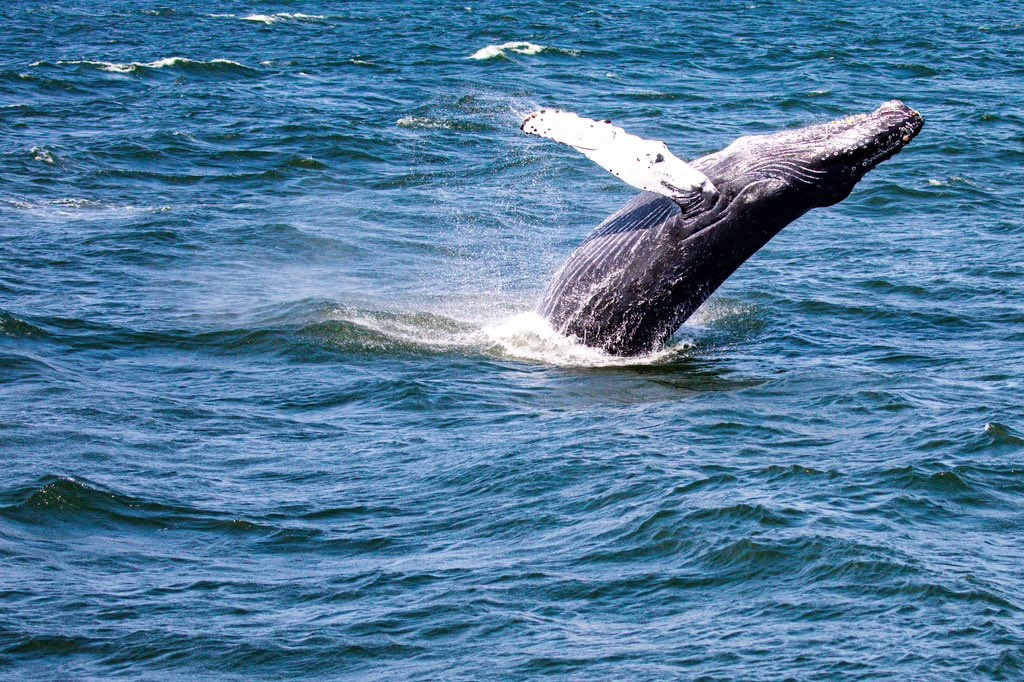
Winter favors humpback encounters; warmer, calmer months favor snorkeling visibility and smoother water.

Humpback season

July–August (busiest; best for steady summer winds and full service at local operators).

Prime whale watching, winter holidays, higher demand, and earlier sell-outs.

Snorkeling window

May–June–July–August–September–October

Typically gentler seas and clearer water for snorkeling trips.

Weather notes

Trade winds year-round

Late spring through early fall offers the most benign sailing conditions: moderate temperatures, predictable afternoon sea breezes, and lower frequency of strong coastal storms. Summer afternoons often produce steady onshore winds; shoulder seasons can be cooler but less crowded.

Quieter opportunities

Late spring & summer weekdays

Late fall and early spring can offer quiet marinas and focused skill-building days—expect cooler water temps, shorter daylight, and fewer charter options.

Match the trip to your comfort

Choose Your Experience Level

Low effort

Beginner

Introductory lessons, sheltered estuary day sails, and supervised crew spots on keelboats. Focus is on basic boat handling, safety, and seamanship fundamentals.

  • Introductory sailing lesson (3–4 hours)
  • Sheltered estuary day sail with instructor
  • Sunset or short harbor cruise
Active day trip

Intermediate

Short coastal hops, navigation through tidal channels, basic overnight anchoring, and club-level racing. Students practice reading wind shifts and managing sails under variable conditions.

  • Coastal day sail to a nearby harbor
  • Tidal navigation clinic
  • Two-day weekend cruise with overnight anchorage
Longer or technical

Advanced

Extended coastal passages, heavy-weather seamanship practice, delivery trips, and competitive racing that require confident boat handling and advanced navigation skills.

  • Multi-day coastal passage planning and execution
  • Offshore departure preparation and delivery
  • Advanced race training and crew roles

Prepare for sun, spray, and swell

What to Bring

Essential

Core kit

  • U.S. Coast Guard–approved life jacket (if you have one; rentals often available)
  • Windproof, layered clothing (deck jacket and fleece)
  • Non-marking deck shoes or worn sneakers with grip
  • Sunscreen, sunglasses with retainer, and hat
  • Waterproof phone case or dry bag
Recommended

Useful extras

  • Sailing gloves for halyard and sheet work
  • Small first-aid kit and seasickness remedies if prone
  • Lightweight foul-weather layer for spray and squalls
  • Portable VHF or knowledge of local radio channels
Optional

Trip-specific

  • Binoculars for bird and shoreline observation
  • Compact camera with weather protection
  • Reusable water bottle and packable snacks
Always check local tide tables, marine weather forecasts, and operator briefings before launching.

Insider Tips & Local Knowledge

Reserve whale-watching and popular sunset cruises well ahead during December–April.
Choose morning snorkeling departures for calmer seas and better underwater visibility.
For motion sensitivity, choose a larger vessel, sit mid-ship, and take preventative medication before boarding.
Do not touch coral or wildlife, avoid standing on reefs, and use reef-safe sunscreen.
Community-based operators may add context about traditional navigation and stewardship.
Arrive early for parking and check-in because Waikiki departure areas can be busy.

Planning questions

Frequently Asked Questions

Regulations vary by vessel type and operator. Most day charters and lessons include a safety briefing and provide required equipment. Motorized vessels may have specific operator requirements; check with your rental or instruction provider for local rules.
Top 8 Sailing Adventures in Seymour, New Jersey
Ready for your sailing adventure?

Browse 8 verified trips in Seymour.

Compare current availability and book with instant confirmation.

Explore Seymour sailing