Top 23 Stand‑Up Paddleboarding (SUP) Adventures in Sequim, Washington
Sequim SUP Guide

Top 23 Stand‑Up Paddleboarding (SUP) Adventures in Sequim, Washington

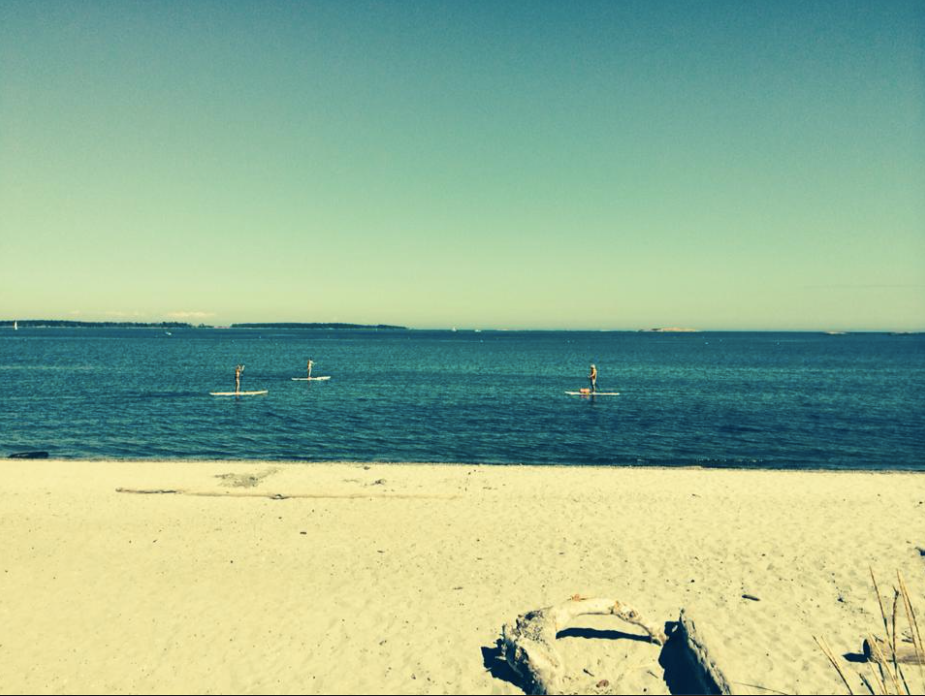
Sequim’s glassy bays, long sand spits, and the Olympic Mountains stacked on the horizon make it one of the Pacific Northwest’s most approachable — and unexpectedly bright — SUP destinations. Here, sheltered in the Olympic rain shadow, paddlers find wide tidal flats for skill-building, quiet channels for wildlife watching, and tougher open-water lines for those who want to test wind and current against a backdrop of seabird colonies and distant glaciers.

Dungeness SpitSequim Bay State ParkStrait of Juan de Fuca

Live destination inventory

Top SUP Trips in Sequim

23 trips · Book with confidence · Instant confirmation

The prototype intentionally does not invent replacement trip cards or add images that are not already part of the live source page.

The city from the water

Why Sequim Is a Standout SUP Destination

Sequim is a study in contrasts: sheltered estuaries beside wide-open saltwater, placid morning glass that can flip to wind-driven channels by afternoon, and a landscape that reads like a marine painter’s study of light and texture. For SUP paddlers the place is generous. The Dungeness Spit offers miles of shallow water and drifting sandbars where novices learn balance and edging while terns and sandpipers work the flats. Sequim Bay’s protected coves and boat launches make the town an easy base for rental gear and day trips. And for experienced paddlers the Strait of Juan de Fuca presents a dramatic, sometimes unforgiving playground — tidal rips, fetch across open water, and long lines that reward timing and seamanship. Part of Sequim’s appeal is its climate. Sitting in the Olympic rain shadow, the area gets more sun than much of western Washington, which means longer windows of calm, clear water for paddling. That said, the maritime environment defines the season: tides, currents, and winds are the dominant variables. A good outing here is as much about reading charts and weather as it is about physical technique. The region also feels quieter than other coastal hubs; the focus is often on low-impact adventure — birding from a board, windowed views of the Olympics, and slow rolling approaches to seal haul-outs rather than throttle-and-jet-ski chaos. Culturally and logistically, Sequim is a friendly paddling town. Small outfitters offer instruction and guided tours tailored to ability level, while local trails and beaches create easy post-paddle options: bike along the Olympic Discovery Trail, hike the short but unforgettable Dungeness Spit to its lighthouse and sand spit terminus, or settle into beachfront birding at low tide. Because the water is cold year-round, the paddling community emphasizes safety and preparation: PFDs, drybags, and an eye for local marine wildlife considerations are standard practice. The result is an inclusive mix — families and first-timers find forgiving bays; committed SUP surfers and distance paddlers find routes that test endurance and skill — all within a compact, scenic region that invites close study and repeated visits.

Sheltered bays and long, shallow spits create ideal learning zones for balance and board control, while nearby open water gives advanced paddlers purposeful routes to build navigation and tidal timing skills.

Wildlife is central to the experience: migrating shorebirds, seals, porpoises, and occasional whale sightings reward quiet approaches and respectful distances. This makes Sequim particularly good for photographers and naturalists.

The harbor is the gateway, and the Pacific becomes the classroom.

Local outfitters and parks provide launch access and rental gear, keeping logistics straightforward. The small-town infrastructure also means less traffic and easier parking than busier coastal towns.

Activity focus

Choose by purpose

Whale watching, snorkeling, sunset sailing, cultural canoeing, harbor sightseeing, or private chartering.

Departure hubs

Start near the city

Waikiki and Honolulu Harbor are primary hubs, with some trips launching near Hanauma Bay.

Accessibility

Confirm the vessel

Gangways, shaded seating, and boarding requirements vary according to vessel size and operator.
Seasonal planning

Best Time to Visit

Sequim is warm year-round, but wind, swell, migration, visibility, and demand change the best match between traveler and trip.

Sequim boat tour
Year-round destination

Seasonal highlights change the reason to go

Winter favors humpback encounters; warmer, calmer months favor snorkeling visibility and smoother water.

Humpback season

July–August for warmest air temperatures and highest rental demand.

Prime whale watching, winter holidays, higher demand, and earlier sell-outs.

Snorkeling window

May–June–July–August–September

Typically gentler seas and clearer water for snorkeling trips.

Weather notes

Trade winds year-round

Late spring through early fall offers the most consistent windows of calm water and sunnier days in Sequim’s rain‑shadow. Morning glass is common; sea breezes can strengthen in the afternoon, especially in summer. Expect cool water temperatures year‑round and windier, unsettled conditions outside the summer months.

Quieter opportunities

Late spring & summer weekdays

Spring and early fall deliver fewer crowds and excellent wildlife viewing (migratory birds and seal pupping). Cooler temperatures require thicker exposure protection but often bring clearer light and quieter bays.

Match the trip to your comfort

Choose Your Experience Level

Low effort

Beginner

Gentle bays, short downwind paddles in protected coves, and long shallow flats for practicing turns, stopping, and remounting.

  • Flatwater loop in Sequim Bay
  • Shoreline skills session near Sequim Bay State Park
  • Short guided intro tour with a local outfitter
Active day trip

Intermediate

Longer distance paddles that require basic tidal planning, light wind handling, and route navigation between coves and across small channels.

  • Paddle along the length of Dungeness Spit at mid‑tide
  • Crossing sheltered headlands to nearby beaches
  • Sunrise wildlife tour with focused spotting
Longer or technical

Advanced

Open‑water routes that demand current and wind management, efficient stroke technique, and contingency planning for re‑entry and rescue.

  • Strait of Juan de Fuca crossings timed to tidal windows
  • Distance paddles in exposed winds with planned bailout points
  • Technical downwind runs along fetches when conditions allow

Prepare for sun, spray, and swell

What to Bring

Essential

Core kit

  • USCG‑approved life jacket (PFD)
  • Leash appropriate for board type and conditions
  • Waterproof phone case and navigation (chart or app)
  • Layers or wetsuit/drysuit depending on season
  • Hydration and high‑energy snacks
Recommended

Useful extras

  • Bilge pump or sponge for water on the board
  • Compact first‑aid kit and whistle
  • Sun protection: hat, long‑sleeve sun shirt, reef‑safe sunscreen
  • Dry bag for extra layers and camera
Optional

Trip-specific

  • Neoprene booties for cold water launches
  • Lightweight paddle jacket for wind protection
  • Small binoculars for bird and marine mammal spotting
  • Repair kit for inflatable boards
Always check tides, wind forecasts, and wildlife closures before launching. Cold water and changing marine conditions mean safety gear and conservative decisions matter.

Insider Tips & Local Knowledge

Reserve whale-watching and popular sunset cruises well ahead during December–April.
Choose morning snorkeling departures for calmer seas and better underwater visibility.
For motion sensitivity, choose a larger vessel, sit mid-ship, and take preventative medication before boarding.
Do not touch coral or wildlife, avoid standing on reefs, and use reef-safe sunscreen.
Community-based operators may add context about traditional navigation and stewardship.
Arrive early for parking and check-in because Waikiki departure areas can be busy.

Planning questions

Frequently Asked Questions

Most recreational SUP outings do not require a special permit, but some protected areas and wildlife refuges have access rules, seasonal closures, or parking fees. Check local park pages and Dungeness National Wildlife Refuge notices before you go.
Top 23 Stand‑Up Paddleboarding (SUP) Adventures in Sequim, Washington
Ready for your sup adventure?

Browse 23 verified trips in Sequim.

Compare current availability and book with instant confirmation.

Explore Sequim sup