3

Surfing in Seaside, California

Seaside, California

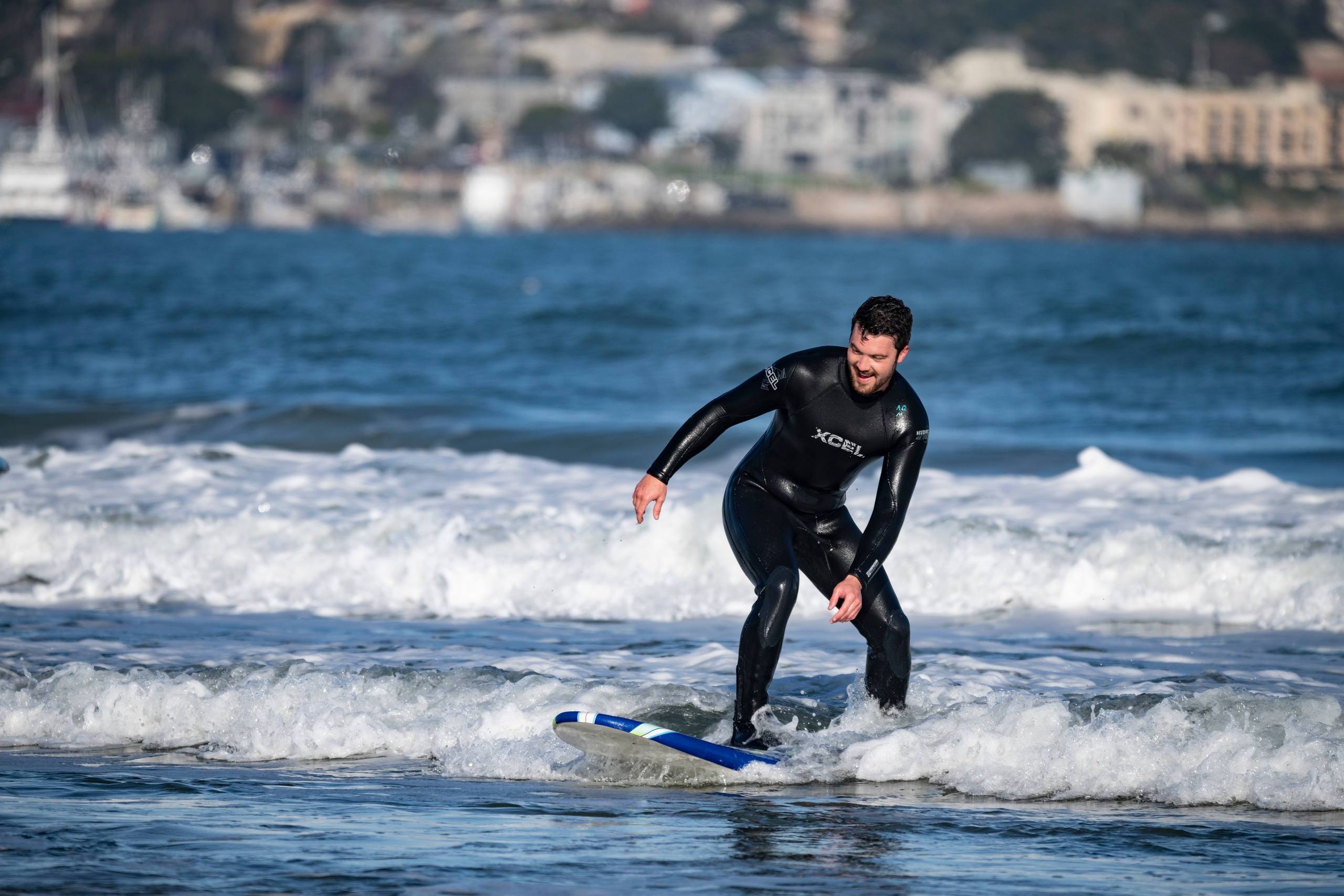
Seaside is a quietly reliable surf town on Monterey Bay: accessible beach breaks, forgiving summer waves for learners, and colder, more powerful winter swells for experienced riders. This guide focuses on surfing the immediate coast—where sandbars shape friendly peaks, and nearby points and reef breaks expand possibilities for intermediate and advanced surfers.

29
Activities
Year-round (seasonal swell variations)
Best Months

Top Surf Trips in Seaside

29 trips • Book with confidence • Instant confirmation

Why Seaside Is a Standout Surf Destination

Seaside sits at the edge of Monterey Bay with a shoreline that reads like a surf primer: broad sandbars, pocketed beach breaks, and a long, accessible coastline that rewards local knowledge and seasonal patience. For travelers seeking a surf experience that balances learning, progression, and access to more challenging nearby breaks, Seaside offers a rare combination of convenience and variety. Mornings often bring clean, glassy conditions favored by beginners and longboarders when onshore winds are light; afternoons can shift with thermal breezes that reshape sandbars and test your timing. Winter storms from the north and northwest push energy into Monterey Bay, creating more powerful, hollow waves that attract experienced surfers chasing steeper faces and stronger currents. The contrast between mellow summer lines and winter punch gives Seaside a multi-identity—an approachable place to learn the basics and a gateway to serious Pacific swells.

Beyond wave shape, part of Seaside’s appeal is cultural and ecological. The stretch of coastline is threaded with military history from the former Fort Ord, and the dunes and wetlands that border the beach are habitats for shorebirds and migrating species—an understated reminder that surf culture here exists alongside sensitive coastal ecosystems. Local surf schools and rental shops operate seasonally and year-round, offering entry points for visitors without gear or experience, while more committed surfers can pair sessions with tide and swell scouting trips up and down the Monterey Peninsula. Food and lodging options in nearby Monterey and Seaside make it possible to structure day-by-day surf plans—morning session, tide-dependent scouting, and an afternoon paddle or tidepool walk—as opposed to single one-off days. That practicality is why many travelers choose Seaside as a base: you get a low-key hub with easy access to quintessential Central California surf, plus cultural and nature-focused side trips like kayaking in the bay, birding at local wetlands, and scenic drives along 17-Mile Drive.

Practicality also means learning to read the local calendar. Sandbars migrate through the seasons and after major storms, so what breaks well in summer might close out come winter, and vice versa. Tide windows are especially important along Seaside’s beach breaks; mid to higher tides often produce fuller, longer rides while lower tides can expose sandbars that make peaks steeper and faster. For traveling surfers, that translates to more productive days if you can combine a swell forecast with a tide planner and a local tip from a shop or lifeguard. Safety-wise, rip currents and variable sandbars are the main hazards—obvious to an experienced local eye but easy to misjudge for first-time visitors. The best visits combine ambition with humility: take a lesson if you’re new, watch a few sets from shore to pick your line, and embrace the town’s modest surf rhythm—there’s good surf here for almost every level, but the smartest approach is a prepared one.

Seaside’s proximity to Monterey means you can layer experiences: surf a morning session, explore tide pools, and spend the evening watching fog and light shift over the bay. That variety makes Seaside a strong pick for mixed-interest groups.

Local surf instruction is well-established, with schools geared toward beginners and family groups. Rentals are common, but winter gear (thicker wetsuits, booties) will be necessary when temperatures drop.

Because sandbars and tides matter, scouting different access points along the beach pays dividends. Walk a few minutes north or south of the principal access to find quieter peaks or better takeoff zones.

Activity focus: Surf (beach breaks, nearby point and reef options)
Known for accessible beach breaks suitable for beginners in summer
Winter brings larger, more powerful swells for experienced surfers
Water temperatures are cold year-round; wetsuits required except for short summer windows
Sandbar and tide-dependent surf—check local reports before paddling out

Best Time to Visit

Best Months

SeptemberOctoberAprilMayJune

Weather Notes

Late summer and early fall often deliver consistent, cleaner swells with milder winds—ideal for learners and longboarders. Spring can be pleasant with occasional southern hemi southern-swell remnants. Winter produces the biggest swells but also colder water, stronger currents, and more variable conditions.

Peak Season

Late summer to early fall (warmer air, cleaner lines)

Off-Season Opportunities

Winter provides larger, surfable swells for experienced surfers and fewer tourists; ideal for those comfortable with cold-water conditions and stronger surf.

Frequently Asked Questions

Do I need a wetsuit year-round?

Yes. Water in Monterey Bay is cold year-round; a 3/2mm wetsuit is common in summer, while a 4/3–5/4mm with booties and hood is recommended for winter months.

Are there surf schools or rental shops in Seaside?

Yes. Several local shops and schools offer lessons, beginner-friendly groups, and rentals—especially busy during summer. Booking ahead on weekends and holidays is advised.

How do tides affect the surf?

Tides and migrating sandbars strongly influence wave shape. Mid to higher tides often create fuller, more forgiving peaks; lower tides can make waves faster or expose hazards. Check a local tide chart and talk to locals for the best windows.

Choose Your Experience Level

Beginner

Protected beach breaks with gentler, rolling waves during summer and early fall create forgiving learning conditions. Lessons and soft-top boards are widely available.

  • Beginner group surf lesson on Seaside State Beach
  • Longboard practice at gentle morning glassy windows
  • Family-friendly paddle and play near lifeguarded sections

Intermediate

Paddling out to better-formed peaks, learning to read sandbars and rips, and riding steeper faces on a variety of board types. Intermediate surfers should be comfortable with currents and more crowded lineups.

  • Tide-sensitive sessions chasing cleaner lines north or south of main access
  • Progression clinics focusing on bottom turns and cutbacks
  • Exploratory sessions to nearby points along Monterey Peninsula

Advanced

Seasonal winter swells and nearby reef/point breaks offer hollow, powerful waves. Advanced surfers will navigate stronger currents, sharper takeoffs, and potential crowding at prime breaks.

  • Big-swell sessions during winter at exposed breaks
  • High-performance shortboard sessions on steeper faces
  • Scout-and-ride trips to Monterey reef and point breaks when conditions align

Insider Tips & Local Knowledge

Respect lifeguard flags, watch for rip currents, and ask local shops about recent sandbar changes before paddling out.

Start early for the cleanest conditions and smaller crowds. Walk a few access points north and south of main parking to find less crowded peaks. Check tide tables and swell direction; Monterey Bay reacts differently to north, northwest, and southwest energy. If you’re new to cold-water surfing, rent a thicker wetsuit locally rather than arriving under-equipped. Lastly, pair a surf day with low-key coastal activities—tidepooling, birdwatching in the dunes, or a quiet sunset on the peninsula—to make the most of Seaside’s mellow coastal rhythm.

What to Bring

Essential

  • Wetsuit (3/2–5/4+mm depending on season; winter needs thicker layers)
  • Surfboard appropriate to your level (rental shops available)
  • Leash and fins
  • Waterproof sunscreen and SPF lip balm
  • Towel and change layers

Recommended

  • Booties (cold-water season), hood and gloves for winter sessions
  • Wax suitable for local water temperature
  • Small first-aid kit and reef booties if exploring rocks
  • Portable surf forecast app or printed tide chart
  • Dry bag for phone and car key

Optional

  • Wetsuit changing robe or pop-up changing shelter
  • GoPro or compact waterproof camera
  • Light repair kit (ding repair, extra leash string)

Ready for Your Surf Adventure?

Browse 29 verified trips in Seaside with instant booking

Explore Top 15 Seaside, California Adventures →