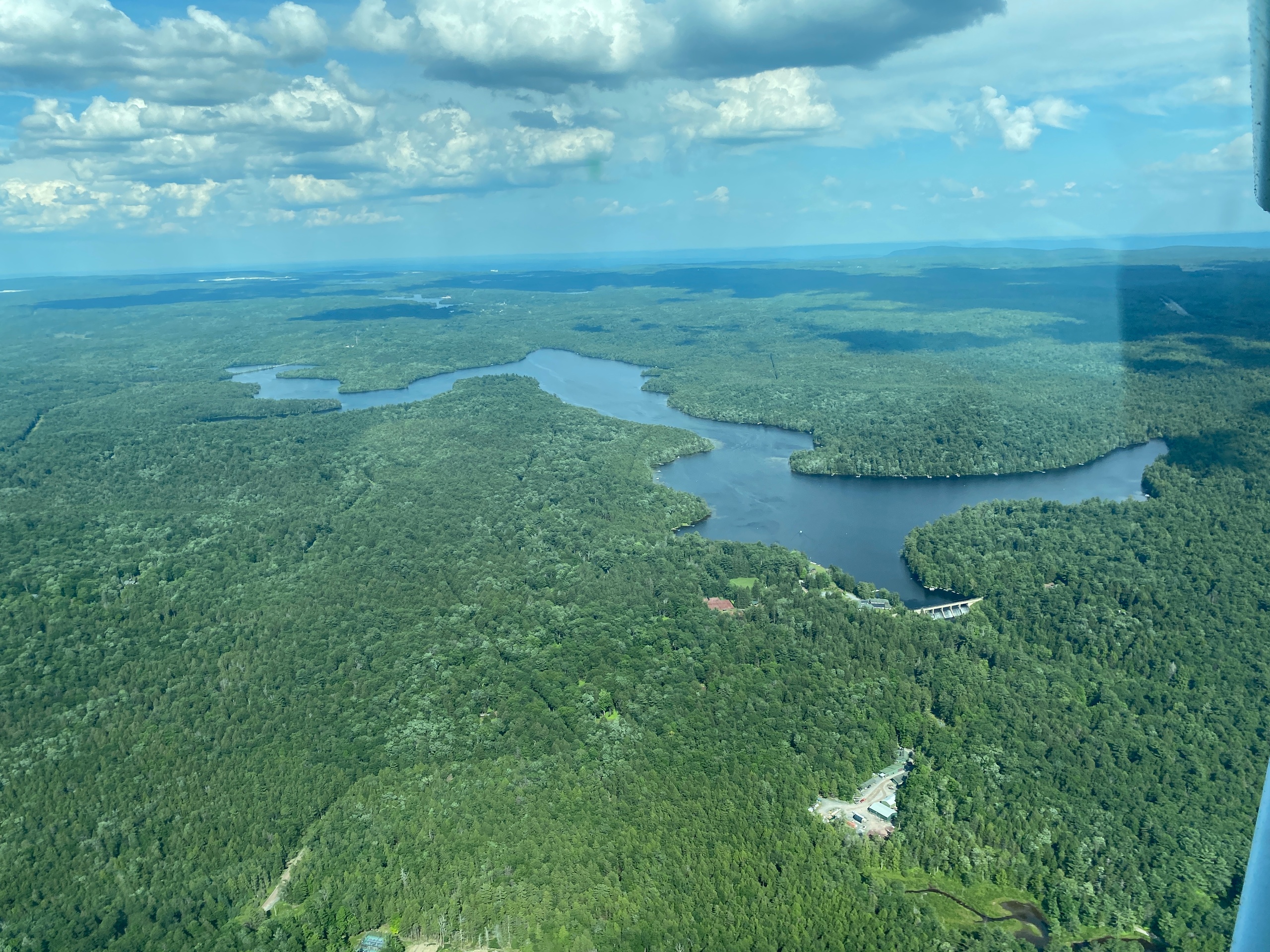
Air Activities in Scranton, Pennsylvania
Scranton Air Activities Guide

Air Activities in Scranton, Pennsylvania

From quiet dawn balloon launches above river valleys to ridge-line thermals that lift paragliders over hardwood forests, Scranton’s airscape is an underrated canvas for airborne adventure. The region’s rolling topography—short mountains, long valleys, and sweeping farm country—creates accessible lift and scenic corridors for flightseeing, tandem paragliding, glider rides, and hot-air balloon trips. Close enough to larger regional airports for convenient access yet small enough to feel like intimate local flying country, Scranton gives travelers a mix of gentle aerial sightseeing and hands-on air-sport opportunities within a short drive of the city.

Lackawanna River ValleyEndless MountainsPoconos foothills

Live destination inventory

Top Air Activities Trips in Scranton

6 trips · Book with confidence · Instant confirmation

The prototype intentionally does not invent replacement trip cards or add images that are not already part of the live source page.

The city from the water

Why Scranton Works for Air Activities

There’s a quality to flying over northeastern Pennsylvania that’s both intimate and cinematic. The landscape around Scranton—folded ridgelines giving way to broad river valleys, checkerboard farms, and fingers of hardwood forest—creates a patchwork of lift and landing options that suits a range of airborne pursuits. For visitors, the charm is twofold: the scenery is immediately readable from the air, and the local scale makes planning simple. You’ll fly over landmarks that change with the season—flooded river flats in spring, emerald farm fields in summer, and a mosaic of copper and crimson in autumn—so each sortie feels like a short, intense portrait of place. Operationally, Scranton sits within reach of regional aviation infrastructure while still feeling like low-key flying country. Small municipal airfields and nearby regional airports provide access for scenic flights and private charters; open farmland and long ridgelines near the Endless Mountains supply the thermals and slopes that paragliders, hang-gliders, and sailplane pilots seek. Hot-air ballooning finds natural partners in the valley weather patterns: calm mornings, predictable inversions, and wide landing fields. The local microclimates are not dramatic like the Rockies, but they are nuanced—fog settles into low spots, afternoon crosswinds build along exposed ridges, and seasonal thermals can be surprisingly lively on sunny days. For travelers who want more than a view, Scranton’s air activities also dovetail cleanly with land-based adventures. A morning balloon flight that ends in an agricultural field can be followed by a riverside breakfast and a paddling trip on the Lackawanna; paragliders launching from a ridge can pair their morning with a late-afternoon hike along a forest trail to stretch the legs. Practical considerations are straightforward: most operators emphasize early starts before thermal activity and afternoon storms, weight and health assessments for tandem flights, and flexible booking because weather cancels are part of honest flying. Whether you’re in search of a calm, photographic balloon ride or a gusty ridge-launch that tests your skill, Scranton’s approachable terrain and accessible aviation scene make it a smart, satisfying place to get off the ground.

The region’s scale keeps travel times short. From central Scranton you’re typically 20–60 minutes from launch sites, put-in points for scenic flights, or small airfields that host recreational aviation.

Weather windows drive the schedule—early mornings and late afternoons are prime for calm flights and golden light; afternoons in summer can bring convective storms, so operators often plan around unstable days.

The harbor is the gateway, and the Pacific becomes the classroom.

Local hospitality matters: many operators work with landowners, farms, and small communities to arrange safe landings and respectful use of rural space, so expect friendly, regulated experiences that prioritize safety.

Activity focus

Choose by purpose

Whale watching, snorkeling, sunset sailing, cultural canoeing, harbor sightseeing, or private chartering.

Departure hubs

Start near the city

Waikiki and Honolulu Harbor are primary hubs, with some trips launching near Hanauma Bay.

Accessibility

Confirm the vessel

Gangways, shaded seating, and boarding requirements vary according to vessel size and operator.

Seasonal planning

Best Time to Visit

Scranton is warm year-round, but wind, swell, migration, visibility, and demand change the best match between traveler and trip.

Scranton boat tour
Year-round destination

Seasonal highlights change the reason to go

Winter favors humpback encounters; warmer, calmer months favor snorkeling visibility and smoother water.

Humpback season

Late spring through early fall—autumn leaf season is particularly popular for scenic flights.

Prime whale watching, winter holidays, higher demand, and earlier sell-outs.

Snorkeling window

April–May–June–September–October

Typically gentler seas and clearer water for snorkeling trips.

Weather notes

Trade winds year-round

Spring and fall offer the most predictable mornings and the most comfortable temperatures for air activities. Summer brings reliable thermals but also a higher chance of afternoon thunderstorms; winter limits many operations due to cold, shorter days, and snow cover.

Quieter opportunities

Late spring & summer weekdays

Winter can still offer private or specially scheduled flights on calm days, and it’s sometimes possible to arrange simulator or indoor aviation experiences when outdoor operations are limited.

Match the trip to your comfort

Choose Your Experience Level

Low effort

Beginner

Introductory airborne experiences that require no prior training. Ideal for travelers seeking scenic perspectives with minimal commitment.

  • Tandem hot-air balloon ride at sunrise
  • Scenic airplane or helicopter tour over valleys
  • Introductory tethered balloon or festival flight (seasonal)
Active day trip

Intermediate

Hands-on experiences where you might receive instruction and an opportunity to participate in launch or landing procedures under supervision.

  • Tandem paragliding with pilot instruction
  • Introductory glider/sailplane flights with a certified instructor
  • Flightseeing combined with short navigational briefings
Longer or technical

Advanced

Activities for experienced pilots and air-sport participants that require certification, weather judgment, and local knowledge of ridge and thermal conditions.

  • Cross-country paragliding or advanced ridge soaring
  • Solo glider flights and competitive sailplane tasks
  • Fixed-wing or rotorcraft pilot-led scenic charters

Prepare for sun, spray, and swell

What to Bring

Essential

Core kit

  • Government-issued photo ID (required by many air operators)
  • Layered outerwear — it’s cooler in the air than on the ground
  • Closed-toe shoes with grip (for field landings and launches)
  • Camera or smartphone with extra battery
  • Reservation confirmation and operator contact info
Recommended

Useful extras

  • Windbreaker or light fleece for open-cockpit flights
  • Sunglasses and sunscreen for high-exposure sunlight
  • Motion-sickness medication if you’re prone to airsickness
  • Small daypack to carry layers and water
Optional

Trip-specific

  • Binoculars for detailed river-valley viewing
  • Compact tripod or camera stabilizer for longer exposures
  • Notebook or sketchbook to record impressions after flight
Always check with operators for specific safety rules, cancellation policies, and any seasonal restrictions before booking.

Insider Tips & Local Knowledge

Reserve whale-watching and popular sunset cruises well ahead during December–April.
Choose morning snorkeling departures for calmer seas and better underwater visibility.
For motion sensitivity, choose a larger vessel, sit mid-ship, and take preventative medication before boarding.
Do not touch coral or wildlife, avoid standing on reefs, and use reef-safe sunscreen.
Community-based operators may add context about traditional navigation and stewardship.
Arrive early for parking and check-in because Waikiki departure areas can be busy.

Planning questions

Frequently Asked Questions

No. Many operators offer tandem experiences—balloon rides, tandem paragliding, and scenic airplane or helicopter flights—that are open to first-time flyers. Training and certification are required only if you intend to pilot or fly solo.
Air Activities in Scranton, Pennsylvania
Ready for your air activities adventure?

Browse 6 verified trips in Scranton.

Compare current availability and book with instant confirmation.

Explore Scranton air activities