Top Scuba Adventures in Schofield Barracks, Hawaii
Schofield Barracks sits inland but makes a practical base for exploring the diverse scuba environments of Oahu: protected shallow reefs, dramatic pinnacles, and coastal wrecks. Within easy drives you’ll find calm boat-launch bays, snorkel-friendly marine preserves, and more exposed sites for experienced divers—each offering a different view of Hawaiian reef life and oceanography.
Top Scuba Trips in Schofield Barracks
141 trips • Book with confidence • Instant confirmation
Why Schofield Barracks Is a Strategic Base for Scuba on Oahu
From the moment you load tanks into a vehicle and head toward the ocean, Oahu reveals itself as a layered marine landscape—calm lagoon reefs, windward barrier reefs, offshore pinnacles, and the scattered silhouettes of artificial reefs and wrecks. Schofield Barracks itself is a practical staging point rather than a shoreline destination: it positions divers near Kaneohe Bay’s shallow coral gardens and barrier reef, the protected inlet of Hanauma Bay, and the North Shore’s more dynamic sites. That proximity matters. You can be rolling in the water at a protected bay within 30–60 minutes of leaving base, which makes early-morning dives and multi-dive days realistic while still returning to comfortable lodging and logistical support.
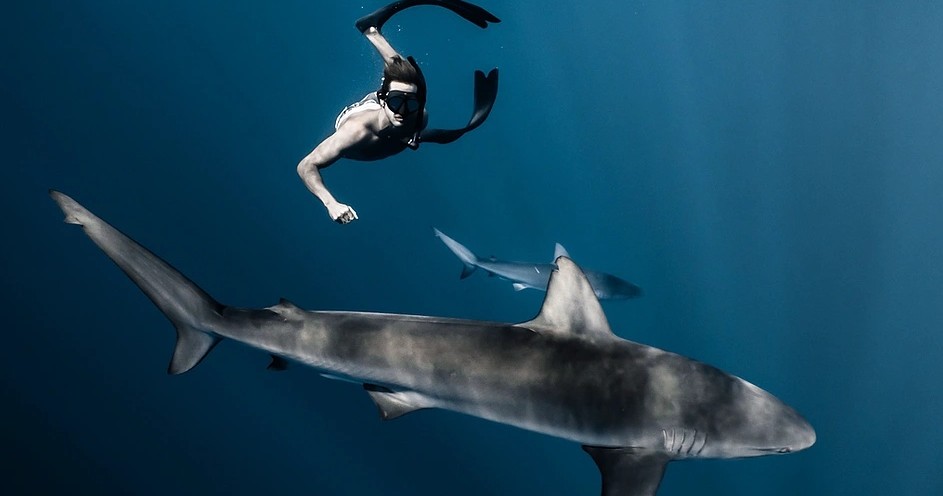
The dive experiences within day-trip range of Schofield span skill levels and moods. For beginners and refresher dives, sheltered reef systems with low surge provide clear, calm water where the rules of buoyancy and reef etiquette can be learned among abundant juvenile fish and bedding sea turtles. For photographers and naturalists, coral gardens and vertical walls stitch together color, texture, and the constant choreography of wrasse, butterflyfish, and cleaner stations. More adventurous outings—boat runs to pinnacles, ledges, and seasonal upwellings—bring larger pelagics into the picture: reef sharks that patrol drop-offs, eagle rays cruising open water, and during winter months, distant splashes from migrating humpbacks at the surface.
Beyond species lists, diving here invites a close look at island oceanography and human stewardship. The windward side’s reef structures are shaped by trade winds and sediment flows; visibility can swing with swell and run-off, and currents reward respect and planning. Cultural context matters, too: Hawaiian communities have long-standing relationships with the sea, and many dive areas overlap with places of historical significance. Conservation-minded divers will find active reef restoration projects and no-take marine preserves nearby; learning local rules and participating in a beach clean or coral monitoring outing can add a meaningful dimension to your trip.
Logistics are straightforward: boat dives commonly depart from sheltered marinas, shore entries are available for low-swell days, and several operators offer guided discovery dives, certification courses, and equipment rental close to Schofield. Plan around swell forecasts and tides, carry certification and medical forms, and choose operators who prioritize reef-smart practices. With a short drive to multiple microclimates and dive types, Schofield Barracks functions as an efficient home base for a scuba itinerary that balances easy, camera-friendly dives with the chance for dramatic, open-ocean encounters.
Accessible training dives and shore entries make Schofield a good base for families and military personnel looking to fit diving into short windows of free time.
Nearby sites offer a mix of protected coral gardens for novices and deeper pinnacles and wrecks for advanced divers seeking big‑animal encounters.
Conservation and cultural awareness are integral: many sites are within marine protected areas or hold significance to local Kanaka Maoli communities.
Best Time to Visit
Best Months
Weather Notes
Oahu’s trade winds and swell patterns shape dive conditions. Spring–fall tends to bring calmer seas and better visibility; winter can produce larger north and west swells that limit access to exposed sites. Expect steady water temperatures in the mid- to high 70s°F (low 20s°C).
Peak Season
Summer and holiday months see higher visitation; book dive trips and rentals in advance.
Off-Season Opportunities
Winter offers dramatic surface activity (humpback whales) and unique shore-break photography but brings larger surf and stronger currents—excellent for experienced divers and boat runs to protected sites.
Frequently Asked Questions
Do I need a special permit to dive near Schofield Barracks?
Most recreational dives in Oahu do not require permits, but specific marine protected areas and shore access points may have rules or seasonal restrictions. Check with your dive operator or local authorities before diving.
What certifications are recommended?
Open Water certification covers most sheltered reef sites. For deeper pinnacles, wrecks, or drift dives, Advanced Open Water and specialty training (navigation, deep, drift) are recommended.
How is visibility and current management handled?
Visibility varies with swell and run-off—plan dives for mornings when wind is lighter. Local guides brief currents and entry/exit strategies; follow their guidance and use SMBs on drift or offshore dives.
Choose Your Experience Level
Beginner
Protected shallow reefs and gentle shore entries ideal for new divers and refresher sessions; emphasis on buoyancy control and reef etiquette.
- Guided shallow reef discovery dive
- Confined-water Open Water checkout near protected bay
- Snorkel–dive combo with turtle sightings
Intermediate
Boat-accessed reef gardens, light drift dives, and deeper coral walls that require confident buoyancy and basic navigation skills.
- Reef wall drift with photographic stops
- Pinnacle approach with moderate current
- Night dives on shallow reefs to observe nocturnal life
Advanced
Exposed sites, wreck penetration (where permitted), and offshore pinnacles under stronger swells or current—requires advanced certifications and good experience.
- Deep reef/pinnacle dives for large pelagics
- Wreck exploration with appropriate training
- Multi-site boat days with challenging entries and currents
Insider Tips & Local Knowledge
Prioritize operators that practice reef-safe anchoring and brief thoroughly on local conditions.
Book morning trips for calmer seas and cleaner visibility. Respect marine preserves—do not touch coral or chase wildlife. If you have limited time, combine a shore entry in a protected bay with a half-day boat trip to a pinnacle for a varied itinerary. Carry a small dry bag for keys and electronics; many operators provide secure stowage but compact protection is useful. Lastly, if you want a quieter experience, schedule dives midweek outside major holiday windows and ask guides about lesser-known sites suited to your certification level.
What to Bring
Essential
- Mask, snorkel, and fins (well broken-in mask prevents leaks)
- Certification card and dive log (or proof of recent training/refresh)
- Wetsuit (3mm shorty to 5mm full depending on tolerance)
- Bottled water and reef-safe sunscreen
- Surface marker buoy (SMB) for drift or offshore dives
Recommended
- Personal dive light for night dives or overhangs
- Dive computer and backup timing device
- Slate or waterproof camera for reef documentation
- Small repair kit (O‑ring lube, spare mask strap)
Optional
- Underwater camera housings and macro lenses
- Nitrox certification for longer bottom times
- Ear plugs for sensitive ears during inter-island travel
Ready for Your Scuba Adventure?
Browse 141 verified trips in Schofield Barracks with instant booking
Explore Top 15 Schofield Barracks, Hawaii Adventures →