Water Activities in Savage, Colorado
Savage is compact but lively for water-based adventure: think late‑spring meltwater currents, quiet reservoir mornings for stand‑up paddleboarding and kayak exploration, and accessible shorelines for angling. This guide focuses on paddling, fishing, sheltered boating, and lake‑side adventure, with practical notes on seasons, access, and trip planning for day outings through multi‑day water experiences.
Top Water Activities Trips in Savage
26 trips • Book with confidence • Instant confirmation
Why Savage Is a Standout Water Activities Destination
On a landscape where high desert meets mountain runoff, Savage offers a focused set of water experiences that read like a primer on Colorado’s quieter aquatic side. The town itself acts as a gateway: you can spend dawn sliding across a still reservoir on a rented paddleboard, watch osprey quarter slow currents, then swap the paddle for a fly rod and spend an afternoon in pocket tributaries that shape the valley. There’s a pleasing intimacy to water here — stretches of shoreline and short put‑ins that reward early starts and low‑key exploration. For travelers who prefer a day of measured movement to full‑throttle river running, Savage’s water opportunities are often about pace, patience, and reading light on water.
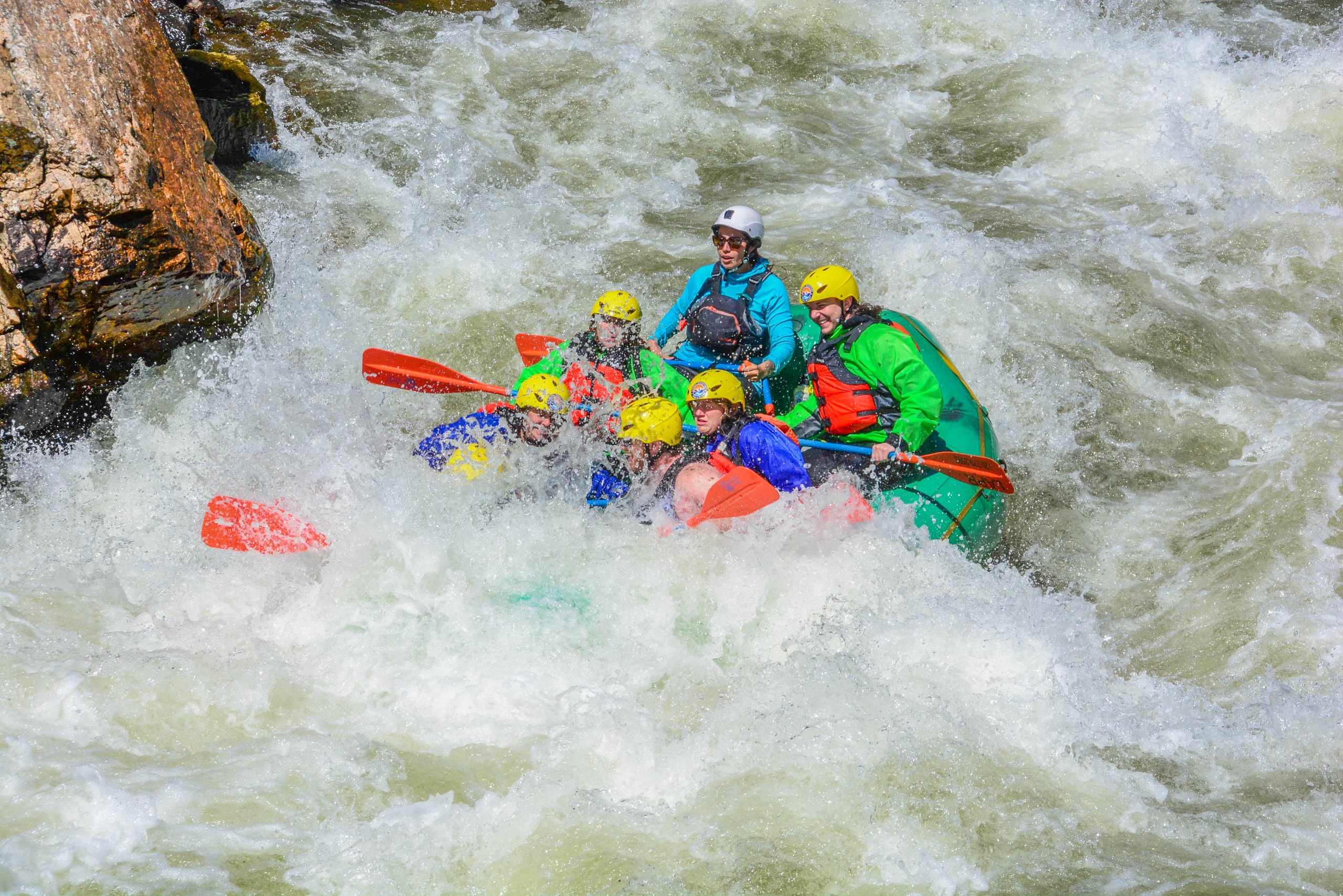
Seasonality shapes everything. Snowmelt dictates peak flows on the streams feeding the valley: late spring brings surging, fast water in certain channels best suited to experienced paddlers or guided raft trips; by mid‑summer rivers mellow and reservoirs warm, offering reliable conditions for SUP, kayak touring, and family‑friendly outings. The rhythm of the place also creates excellent windows for anglers: morning glass and cooler evenings concentrate trout and warmwater species along shaded banks and dropoffs. Beyond the main draws, Savage’s waterscape intersects with the region’s hiking routes, wildlife corridors, and dispersed campsites, letting you combine a lake paddle with a ridge sunset or a riverside cookout.
Culturally and environmentally, Savage reflects Colorado’s strong stewardship ethos. Water users here move with an awareness of fragile riparian zones, seasonal restrictions, and the cumulative impacts of recreation. Expect to learn local nuances — which boat ramps are low‑impact, where to avoid shorelines during bird nesting season, and which launch points become muddied after spring rain. Practical concerns are simple but crucial: packing layers for rapidly shifting temperatures, carrying a PFD for every passenger, and planning for limited cell coverage on certain stretches. For visitors, this translates into an experience that is accessible yet quietly rigorous in its regard for place.
Finally, the water activities around Savage pair cleanly with complementary adventures. After a mellow day on a reservoir, hikers can explore short ridgeline loops to stretch legs and catch watershed views. Cyclists find gravel roads that thread river meadows, and photographers chase light across calm water at golden hour. The result is a micro‑region where water activities are both an anchor and a bridge — the reason to come and the way to connect to broader outdoor rhythms of the Colorado landscape.
The variety is the draw: guided whitewater or technical paddle options for high flows, tranquil reservoir paddles for families, shore‑based fishing and photography opportunities, and multi‑discipline days combining hiking and water access.
Seasonal change matters: spring brings strong currents and high-energy runs; summer gives dependable warm-water recreation and calmer paddling; fall offers lower crowds and crisp mornings ideal for fishing and reflective paddles.
Best Time to Visit
Best Months
Weather Notes
Snowmelt (late spring) raises flows and can create technical river conditions; summer brings warm reservoir temps but afternoon thunderstorms are common in July and August. Evenings cool quickly; dress in layers and be attentive to storm forecasts.
Peak Season
Late May through August—highest use for paddling, recreational boating, and guided fishing trips.
Off-Season Opportunities
Early fall offers quieter water, stable flows for gentle paddling, and good fishing; winter reduces options for open‑water recreation but can be excellent for shoreline photography or cold‑weather angling where permitted.
Frequently Asked Questions
Do I need permits to launch boats or paddle in Savage?
Most day launches do not require a special permit, but some managed sites may have parking fees or seasonal restrictions. Check local land‑management agency notices before arrival.
Are rentals and guided trips available?
Guided trips and equipment rentals are commonly offered by regional outfitters during the main season; availability varies, so reserve in advance during summer weekends.
How do I know if river conditions are safe?
River safety depends on flow, recent weather, and your skill level. Consult local flow reports, talk to outfitters, and avoid unfamiliar channels during high‑water periods. Always wear a PFD.
Choose Your Experience Level
Beginner
Calm reservoir paddles, gentle shoreline exploration, easy shore‑side fishing — low technical skill required, great for families and first‑time paddlers.
- Morning SUP on a sheltered reservoir
- Gentle kayak touring and wildlife watching
- Shore fishing and lakeside picnics
Intermediate
Longer day paddles, moving water with mild currents, technical fishing approaches, or multi‑stop tours that require route planning and basic paddling competency.
- Half‑day paddle with wind‑management considerations
- Guided fly fishing with river bank wading
- Canoe touring with primitive shoreline camping
Advanced
High‑flow river runs, technical whitewater sections, and multi‑day water routes requiring rescue skills, strong navigation, and expected variable weather.
- Guided whitewater runs during peak spring melt
- Multi‑day paddle expeditions with complex access logistics
- Technical downriver navigation in variable currents
Insider Tips & Local Knowledge
Confirm access, launch conditions, and local regulations before you go; flows and attitudes change with weather and season.
Start early to catch glassy water and avoid afternoon winds. In late spring, assume higher flows and dress for immersion (layering and quick‑dry materials). Respect riparian habitat—use established launch points, pack out all trash, and be mindful of nesting birds in shoreline vegetation. When in doubt, contact a local outfitter for up‑to‑date conditions; guided trips not only boost safety but reveal lesser‑known put‑ins and quiet coves. Leave No Trace principles are particularly important on shorelines where human impact concentrates.
What to Bring
Essential
- Personal flotation device (PFD) for every person
- Dry bag for phone, keys, spare clothing
- Waterproof layering: insulating midlayer and wind/rain shell
- Footwear suitable for wet, rocky shorelines
- Sun protection: hat, sunglasses, reef‑safe sunscreen
Recommended
- Helmet for technical or high‑flow paddling
- Map of launch points and pullouts (offline or printed)
- Repair kit for inflatables or paddle gear
- Fishing license and basic tackle for shore or boat angling
- Small first‑aid kit and whistle
Optional
- Compact binoculars for birding and wildlife
- Lightweight camp stove for lakeside meals
- Camera with polarizing filter for reduced glare on water
Ready for Your Water Activities Adventure?
Browse 26 verified trips in Savage with instant booking
Explore Top 15 Savage, Colorado Adventures →