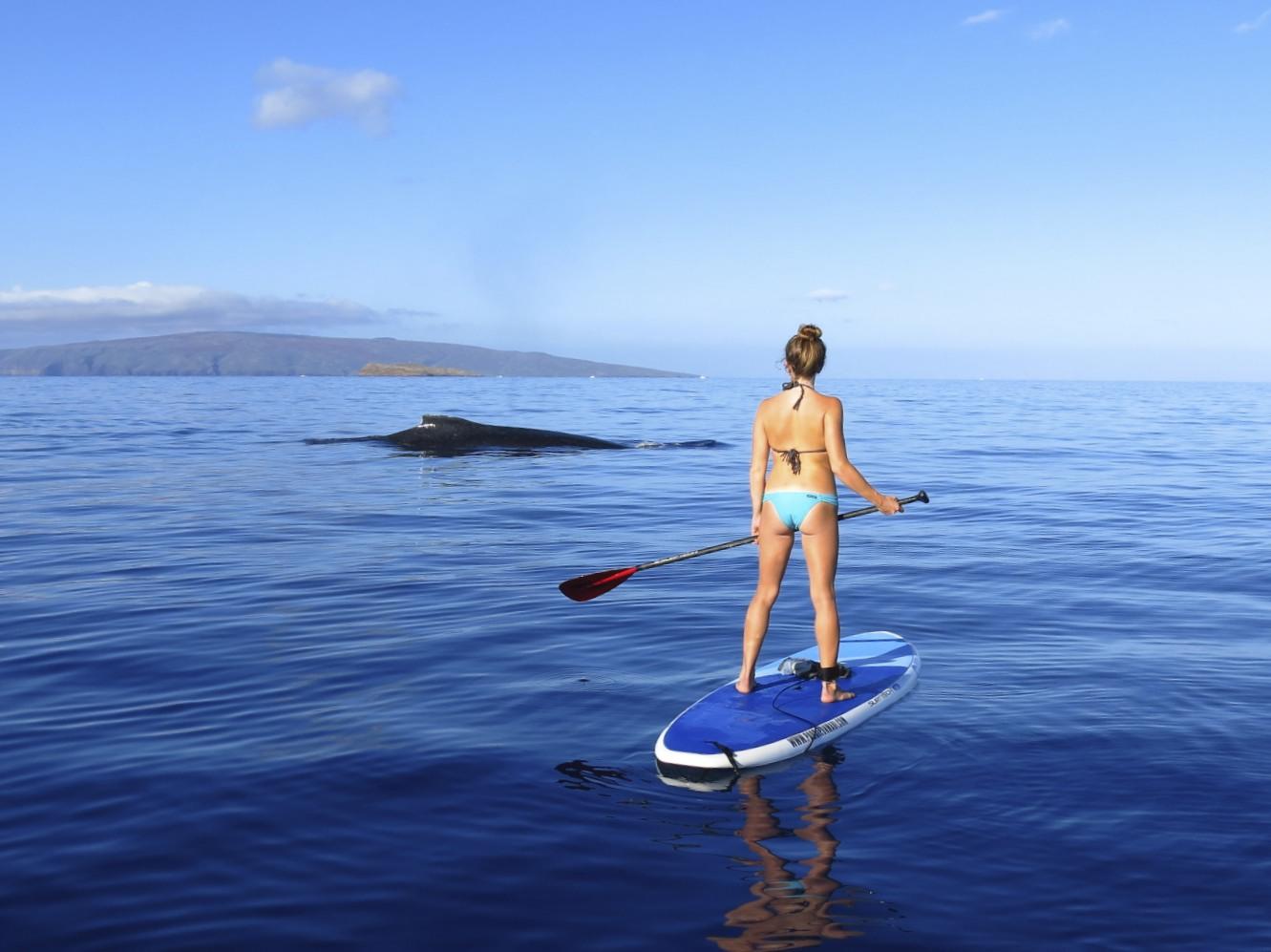
Whale Watching in Santa Maria, California

Santa Maria, California

Santa Maria sits on the gentle edge of California’s Central Coast, a valley town with quick access to a coastline threaded by migration routes and productive feeding grounds. From wind-swept bluff vistas and dune-backed beaches to boat decks on nearby harbors, whale watching here is a study in contrasts: slow, ancient whales tracing predictable seasonal arcs, and the kinetic drama of humpbacks and blue whales feeding in offshore upwellings. This guide focuses on how to experience those encounters responsibly and practically—whether you’re scanning from shore with a pair of binoculars, joining a nearby boat trip, or pairing a morning of whale watching with birding, dune walks, and coastal wine country stops inland.

3
Activities
Seasonal (Winter–Spring migrations; Summer feeding)
Best Months

Top Whale Watch Trips in Santa Maria

3 trips • Book with confidence • Instant confirmation

Why the Santa Maria Area Is a Remarkable Place to Watch Whales

There’s a hush that falls across a salt-brushed bluff when a blow punctuates the skyline—a brief, wet exhale that announces something enormous and older than our maps is passing through. That hush is the core of whale watching on the Central Coast near Santa Maria. The region sits adjacent to a stretch of Pacific that funnels several major whale migrations and supports seasonal feeding grounds. In winter and spring, gray whales travel the coastline in long, steady arcs between Arctic calving grounds and Baja breeding lagoons; in summer and early fall, blue and humpback whales follow productive upwellings and bait-rich canyons that bring plankton and schooling fish close to the surface. The result is an accessible variety of whale-watching opportunities that reward both patient shore watchers and those willing to venture farther offshore.

What makes Santa Maria particularly appealing is its position as a quiet basecamp a short drive from salt-swept viewpoints, dune systems, and working harbors. You don’t need to be a mariner to connect with whales here: the topography of dunes and headlands, combined with predictable tidal and seasonal dynamics, produces vantage points where a good spotting scope can yield long, clear looks at traveling or feeding whales. For travelers who prefer being on the water, several nearby launch points provide access to half-day and full-day excursions that move beyond the nearshore swell and into deeper feeding channels. Either approach—shore or boat—has its advantages. Shore watching can be deeply intimate and contemplative: a long lens, a warm jacket, and a thermos are often enough. Boat trips broaden the palette of possible encounters, offering more mobility and higher odds of seeing a broader range of species, but they also require planning for weather, sea conditions, and the pragmaticities of tender schedules.

Culturally and ecologically, the area is layered: ranchlands and vineyards roll inland from the coast, while migratory bird flocks and marine mammals share the nutrient-rich interface between land and sea. Integrating whale watching into a longer day of exploration is easy—pair a morning of shore spotting with an afternoon on the dunes, a walk along protected estuaries, or a tasting at a nearby winery. Seasonality shapes everything here; timing your trip to match migration windows will dramatically increase the chances of a meaningful sighting. Above all, the work of responsible observation matters. Maintain distance from wildlife, follow local boating regulations, and seek operators and guides who prioritize marine stewardship. Doing so preserves the quiet thrill of that first distant spout and the ongoing health of the marine systems that sustain it.

Accessible vantage points: Bluffs, dunes, and protected estuaries near Santa Maria provide excellent shore-based viewing that’s ideal for photographers, families, and those looking to avoid open-ocean conditions. Shore watching is low-cost, low-impact, and often surprisingly productive when tides and weather line up.

Boat-based encounters: While Santa Maria itself is inland, nearby harbors offer boat trips to deeper waters where blue whales, humpbacks, and feeding aggregations are more likely to occur. These trips increase the variety of species you might see and put viewers closer to active feeding behavior—at the same time they demand sea-sense, motion-sickness preparedness, and an understanding of seasonal weather patterns.

Activity focus: Whale watching—shore-based viewing and nearby boat excursions
Common species: gray whales (migration), humpbacks, blue whales (seasonal feeding), occasional orcas and other visitors
Nearest coastal access points include dune reserves and headlands within a short drive of Santa Maria
Shore-based viewing is productive for migration windows; boats increase the odds for summer feeding species
Respect distance guidelines and sea-state advisories—conditions can change quickly on the Central Coast

Best Time to Visit

Best Months

DecemberJanuaryFebruaryMarchAprilMayJuneJulyAugustSeptember

Weather Notes

Coastal conditions are often cool and breezy even in summer; mornings can be foggy (marine layer) and afternoons clearer. Wind and swell affect visibility and boat operations—always check local forecasts and marine advisories before heading out.

Peak Season

Winter–Spring migrations (December–May) are the most reliable window for seeing traveling gray whales; summer months (June–September) increase the chance of blue and humpback feeding activity offshore.

Off-Season Opportunities

Fall months may be quieter for whales but offer excellent birding, fishing, and off-peak coastal solitude; some species and lone individuals can still appear outside peak windows.

Frequently Asked Questions

Do I need a boat to see whales near Santa Maria?

No. Many travelers have meaningful sightings from headlands, beaches, and dune overlooks during migration and feeding seasons. Boat trips increase coverage and species variety but aren’t strictly necessary for whale watching.

Are guided trips available from Santa Maria?

Santa Maria is a short drive from several coastal harbors and access points where guided and commercial whale-watching excursions operate. Check departure locations and schedules in advance and look for operators with responsible wildlife viewing practices.

What should I do if I see a whale from shore?

Use binoculars or a scope to watch from a distance, avoid trampling sensitive dune or nesting habitats to get closer, and keep noise and disturbance to a minimum. If you’re photographing, use a long lens rather than approaching the animal.

Is whale watching suitable for families?

Yes. Shore-based viewing is especially family-friendly. Boat trips can be family-friendly too, but check trip duration, age policies, and sea conditions before booking.

Choose Your Experience Level

Beginner

Shore-based spotting from bluffs, beaches, and estuary overlooks. Low physical demand and minimal equipment required—good for families and casual travelers.

  • Dawn or late-afternoon bluff watch with binoculars
  • Short dune boardwalk and observation stop paired with shoreline scanning
  • Estuary birding combined with distant whale spotting

Intermediate

Half-day boat trips from nearby harbors or extended shore vigils that require more planning—dress for the elements and bring moderate optics and patience.

  • Half-day catamaran or motorboat trip to nearshore feeding grounds
  • Long-distance photography session from headlands using a spotting scope
  • Combine morning whale watching with an afternoon coastal hike

Advanced

Offshore expedition-style trips and multi-day marine surveys that target specific seasonal behaviors and locations. Requires robust sea preparedness, higher budgets, and tolerance for extended time at sea.

  • Full-day offshore charter to deep-water canyons
  • Citizen-science or research-oriented tours that log sightings
  • Extended coastal itineraries combining whale watching with surf and kayak explorations

Insider Tips & Local Knowledge

Check local marine forecasts, tide charts, and operator advisories. Prioritize operators and viewing practices that follow wildlife protection guidelines.

Arrive early—coastal winds and fog often clear in the afternoon, but prime sightings can happen across the day depending on tide and forage. For shore watching, choose high bluffs or established viewing platforms rather than fragile dunes; many dune systems are protected and require staying on boardwalks. If joining a boat, bring motion-sickness remedies, dress in layers (it’s often colder on deck), and verify cancellation policies for windy days. Pair whale watching with complementary activities—dune walks, estuary birding, and local wines or farm-to-table meals—to round out the day. Finally, favor operators that brief you on marine mammal behavior and maintain recommended distances: ethical viewing both improves the quality of the encounter and protects the animals.

What to Bring

Essential

  • Binoculars (7x–10x) or spotting scope
  • Warm, windproof layers and hat
  • Waterproof shell and layered clothing for changing coastal weather
  • Camera with telephoto lens (if photographing)
  • Reusable water bottle and snacks

Recommended

  • Thermos for hot drinks on cool mornings
  • Seat cushion or small folding stool for long shore-station vigils
  • Motion-sickness remedies for boat trips
  • Field guide or app for marine mammals and seabirds

Optional

  • Polarized sunglasses for glare reduction
  • Notebook for recording sightings
  • Compact spotting scope for group viewing

Ready for Your Whale Watch Adventure?

Browse 3 verified trips in Santa Maria with instant booking

Explore Top 15 Santa Maria, California Adventures →