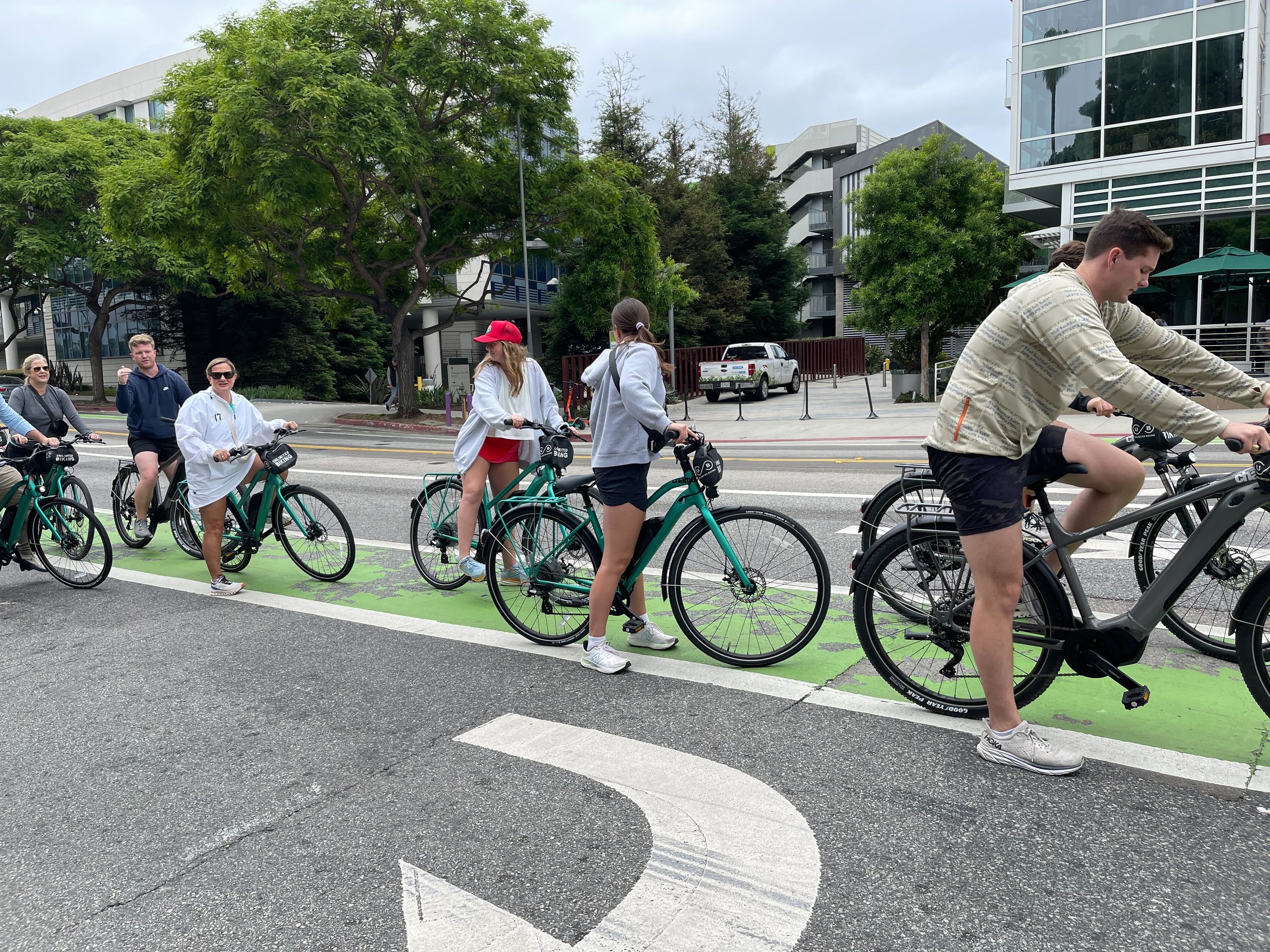
Why Santa Clarita Is a Standout E-Bike Destination
Santa Clarita occupies a practical sweet spot for e-bikers: close enough to Los Angeles for an easy escape, yet distant enough to feel geographically distinct. The valley floor and river corridor offer long, mostly flat paved stretches where a commuter-style or trekking e-bike sings—easy mileage, good sightlines, and the occasional coffee stop in town. Move away from the river and the terrain transitions quickly: exposed chaparral ridges, layered volcanic rock outcrops at Vasquez Rocks, and a rising tree line as you gain access to forested fire roads. That variety is what makes e-bikes especially useful here; the motor assistance expands what riders can reach in a day and softens steep, otherwise punishing climbs, letting you stitch together loops that mix paved greenways, singletrack-adjacent service roads, and quiet country lanes.
Beyond terrain, Santa Clarita offers a layered cultural and natural context that rewards curious riders. The valley bears traces of indigenous Tataviam history, ranching and oil-era development, and more recent suburban growth; those layers are visible in the built environment and the rural byways that intersect regional trails. The environment itself shifts with elevation and aspect—sun-baked south-facing slopes give way to cooler north-facing gullies and higher-elevation pines. Seasonal light and wind patterns reshape rides: clear winter days can be crisp and exceptionally rideable, while late-spring and fall bring temperate windows with vivid skies. E-bikes allow riders to adapt to those windows, extending range on cooler dawn starts and easing climbs during late-afternoon rides.
Practically speaking, Santa Clarita is ideal for riders who want a manageably scaled bike vacation—no extreme backcountry logistics, but enough diversity to satisfy someone chasing varied terrain or a long mileage day. E-bike-friendly loops can be short, scenic outings for families and casual explorers, or longer technical days for riders who pair their e-bike with fitness and trail-savviness. Complementary activities—hiking in the Angeles, bouldering and photography at Vasquez Rocks, or a roadside picnic beneath oak-studded ridgelines—fit naturally into an e-bike itinerary. The town’s proximity to urban provisioning means spares, chargers, or a quick mechanical fix are rarely far away, which lowers the barrier to longer loops that would otherwise require more preparation.
For the traveling e-biker, the practical edge is key: battery management, trail access rules, and sensible route planning make or break a day. Santa Clarita’s patchwork of jurisdictions—city parks, county open space, and national forest—means surface types and allowable e-bike use vary from one trail to the next. The best approach is to plan loops that respect signage and land manager rules, carry conservative estimates of range, and embrace a flexible rhythm: a morning ride on the river, a midday refuel and exploration of local geology, then a late-afternoon climb where the motor helps you earn a sunset view.
E-bikes multiply accessible mileage and open ridge roads that would be lengthy on a conventional bike; they are especially useful on long fire-road climbs.
Surface types vary—paved multi-use paths, crushed gravel maintenance roads, and some singletrack—so choose a bike with appropriate tires and suspension.
The harbor is the gateway, and the Pacific becomes the classroom.
Land management is mixed: city, county, and federal rules affect where certain classes of e-bikes are allowed; always check local signage and manager websites.
Santa Clarita’s proximity to LA offers excellent logistical support—bike shops, rental options, and short transfer windows for multi-modal travel.
Choose by purpose
Whale watching, snorkeling, sunset sailing, cultural canoeing, harbor sightseeing, or private chartering.
Start near the city
Waikiki and Honolulu Harbor are primary hubs, with some trips launching near Hanauma Bay.
Confirm the vessel
Gangways, shaded seating, and boarding requirements vary according to vessel size and operator.