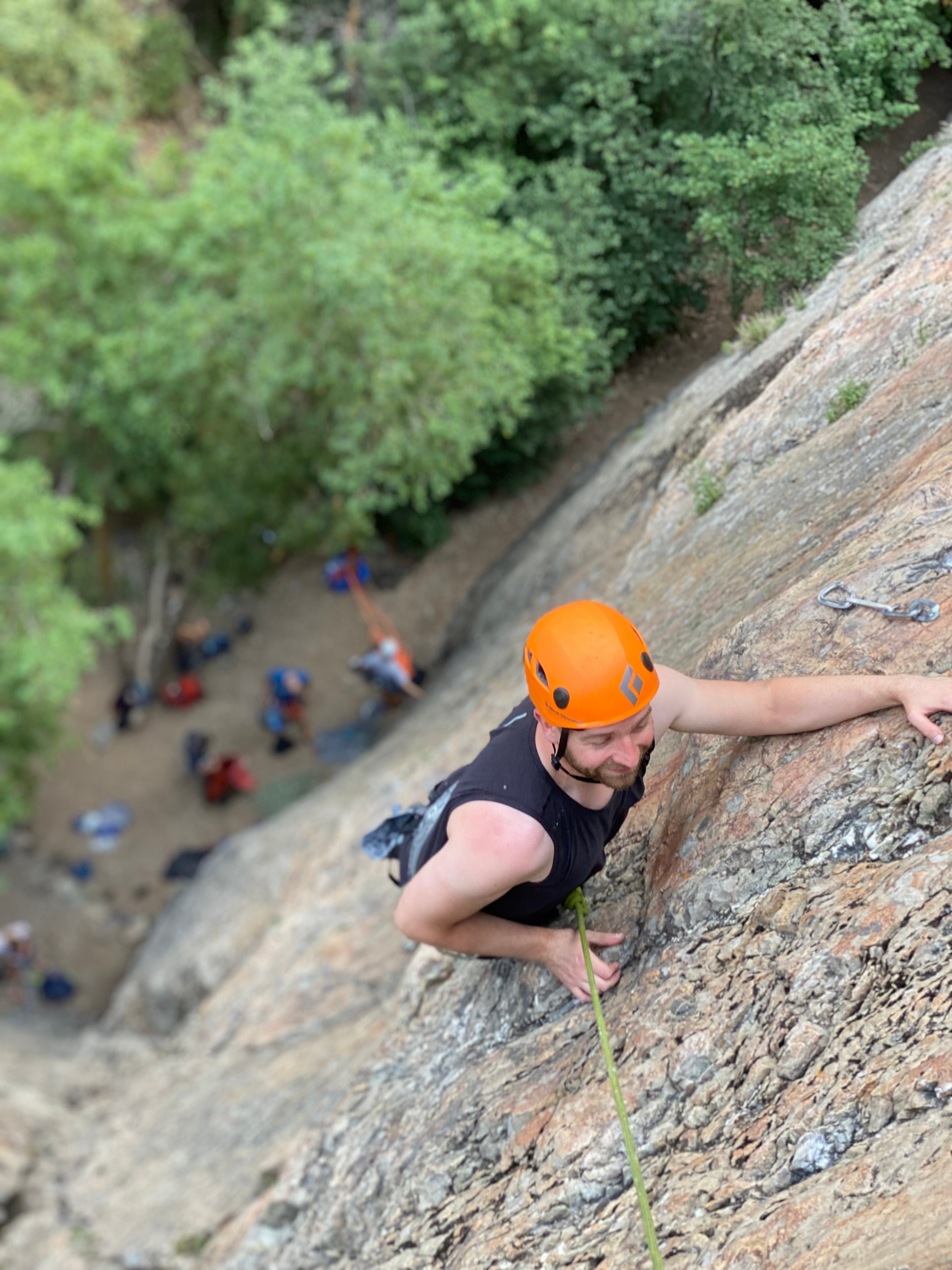
Climbing in Sandy, Utah — Crags, Boulders & Wasatch Approaches

Sandy, Utah

Sandy sits at the doorstep of the Wasatch Range, where granite and quartz-rich rock walls rise quickly from suburban streets into alpine bowls. For climbers the city is less a destination than a gateway: short drives deliver everything from accessible sport and trad single-pitches to high-consequence alpine faces and winter mixed lines. Whether you’re pulling on shoes for a bouldering session before work, building a trad rack for a long weekend, or shouldering a pack toward a multi-pitch granite buttress, Sandy’s proximity to diverse terrain makes it one of the most convenient bases for climbing in the Salt Lake metro area.

9
Activities
Spring–Fall (winter ice & mixed climbing at higher elevations)
Best Months

Top Climbing Trips in Sandy

9 trips • Book with confidence • Instant confirmation

Why Sandy Is a Climbing Gateway

The first time you drive east from Sandy the valley compresses and the rock towers appear like a promise: steep, varied, immediate. That proximity changes how you climb. A late-afternoon boulder session folds neatly into dinner plans. A short approach can put you at the base of a sun-baked sport wall by mid-morning. For visiting climbers, Sandy offers a rare combination: metropolitan conveniences—groceries, last-minute gear shops, and comfortable lodging—paired with direct access to a broad range of rock styles in the Wasatch. Granite slabs, pocketed faces, and splitter cracks exist within a short drive in multiple directions, and that variety lets a single trip include bouldering warm-ups, sport endurance routes, and an alpine objective without changing base-camps.

Geologically, the Wasatch demands attention. Uplift and glacial sculpting produced steep canyon walls and clean rock that drain quickly after rain, so single-day objectives are often possible after unsettled weather where other ranges might remain soggy. The climbing culture around Sandy reflects the terrain: efficient, gear-savvy, and adaptable. Locals expect to contend with heavy usage on peak summer weekends, variable weather in shoulder seasons, and the occasional loose approach where careful footwork and situational awareness matter. That said, there are countless quieter pockets—less-frequented crags tucked up canyon or technical trad lines that reward preparation and route-finding.

The region also stretches beyond single-pitch sport climbs. For climbers seeking longer, committing experiences, the nearby high routes and alpine faces provide true mountain climbing within striking distance of the city. Winter shifts the focus: snow and ice open seasonal mixed and ice climbs higher in the canyons while lowering accessibility for many rock crags. For travelers, this means Sandy can host climbing trips almost year-round—spring and fall remain the sweet spot for comfortable temperatures and stable rock conditions, while summer mornings are brilliant and winter offers technical training and ice objectives for experienced teams.

Ultimately, Sandy’s appeal is pragmatic. It’s a place where planning and spontaneity meet: you can follow a carefully plotted itinerary of objectives across the Wasatch or drop in for a single afternoon at a neighboring crag. The climbing is as varied as the approaches, and the city’s role as a gateway makes it an efficient, rewarding base for climbers of many backgrounds.

Sandy offers quick access to diverse climbing styles—bouldering, sport, trad, and alpine—thanks to the close reach of multiple Wasatch canyons.

Seasonality shifts the experience: spring and fall are ideal for rock climbing, summer mornings are best for heat-sensitive routes, and winter transforms nearby lines into ice and mixed objectives for experienced teams.

Activity focus: Rock climbing (bouldering, sport, trad) and alpine approaches
Short drives from urban lodging to high-quality crags
Varied rock: compact granite/quartz monzonite—good friction and technical face climbing
Spring–fall primary climbing season; winter requires alpine/ice skills for many objectives
Parking and canyon access can be limited on summer weekends—plan for early starts

Best Time to Visit

Best Months

AprilMaySeptemberOctoberJuneJuly

Weather Notes

Spring and fall offer the most comfortable rock temperatures and stable weather. Summer mornings are excellent for higher-elevation or north-facing crags to avoid heat. Winter brings snow and ice: many rock approaches become impractical, but ice and mixed climbs open at higher elevations for experienced parties.

Peak Season

Late spring through early fall—weekends in June–September see the heaviest canyon traffic and parking pressure.

Off-Season Opportunities

Winter is prime for ice and mixed climbing and for honing alpine skills; indoor training and local gym sessions can keep technique sharp year-round.

Frequently Asked Questions

Do I need permits to climb near Sandy?

Most day climbing on U.S. Forest Service land around the Wasatch does not require a technical climbing permit, but regulations and seasonal restrictions can apply. Check current Forest Service notices and canyon access rules before you go.

Are there guide services or rentals available?

Guides and rental gear are available in the Salt Lake metro area; for technical alpine or ice objectives consider hiring local guide services if you lack winter or multi-pitch experience. Confirm availability and book in advance during peak season.

Is the climbing suitable for beginners?

Yes—Sandy’s gateway location offers many short, moderate sport and bouldering options that are appropriate for newer climbers when paired with basic instruction. For trad or alpine lines, seek formal skills training before attempting independent ascents.

Choose Your Experience Level

Beginner

Short single-pitch sport routes and accessible boulder problems with short approaches—ideal for learning movement, top-rope setup, and basic lead technique under supervision.

  • Bouldering sessions on low-angle problems
  • Top-rope practice at an easily accessed sport crag
  • Introduction to anchors and belaying with an instructor

Intermediate

Longer single-pitches, multi-pitch approach skills, and basic trad leading requiring a broader rack and route-finding abilities; an intermediate climber should manage longer approaches and variable rock quality.

  • Multi-pitch sport routes with exposed ledges
  • Moderate trad routes requiring placements and cleaning
  • Extended bouldering circuits and link-ups

Advanced

High-consequence alpine lines, sustained multi-pitch trad routes, and winter mixed or ice climbs that demand advanced gear mastery, partner communication, and mountain safety skills.

  • Long alpine approaches to technical summit faces
  • Sustained multi-pitch trad routes with complex protection
  • Winter ice and mixed climbs requiring ice tools and crampons

Insider Tips & Local Knowledge

Check recent route conditions, canyon alerts, and parking rules before heading out; adopt Leave No Trace practices and pack for sudden weather changes.

Aim for early starts on weekends to beat traffic and secure parking near popular trailheads. Carry a printed topo or offline guide app—cell service can drop out in canyon walls. Wear a helmet on approaches where rockfall or loose choss is possible, and be cautious on sun-heated slabs in summer when hot rock can sap strength and increase skin wear. If you plan to lead trad or multi-pitch routes, refresh anchor-building and rope-management skills in low-consequence environments first. For winter objectives, partner with a guide or join a skills clinic to learn ice tool technique, rescue basics, and avalanche awareness. Finally, engage local resources—climbing gyms, guide services, and community message boards—for up-to-date beta and to find partners who know seasonal microclimates and lesser-known approaches.

What to Bring

Essential

  • Climbing shoes appropriate for your discipline (bouldering vs. sport/trad)
  • Harness, belay device, and locking carabiners for roped climbs
  • Helmet (recommended for approach, rockfall, and trad routes)
  • Static or dynamic rope (length depends on route—check topo before heading out)
  • Crash pad and brush for bouldering sessions
  • Personal anchor and slings for anchors and anchors-to-belays

Recommended

  • Set of quickdraws for sport climbing (and extra for multi-pitch runouts)
  • Trad rack basics (cams, nuts, slings) if you plan to cover trad lines
  • Approach shoes with sticky soles and ankle support
  • Headlamp, spare layers, and a small first-aid kit
  • Topo, route beta, or a downloaded guide app for navigation

Optional

  • Chalk bag and finger tape for sustained routes
  • Gloves and ice tool gear for winter mixed/ice objectives
  • Lightweight bivy or emergency shelter for long alpine days
  • Camera or action cam for documenting climbs

Ready for Your Climbing Adventure?

Browse 9 verified trips in Sandy with instant booking

Explore Top 15 Sandy, Utah Adventures →