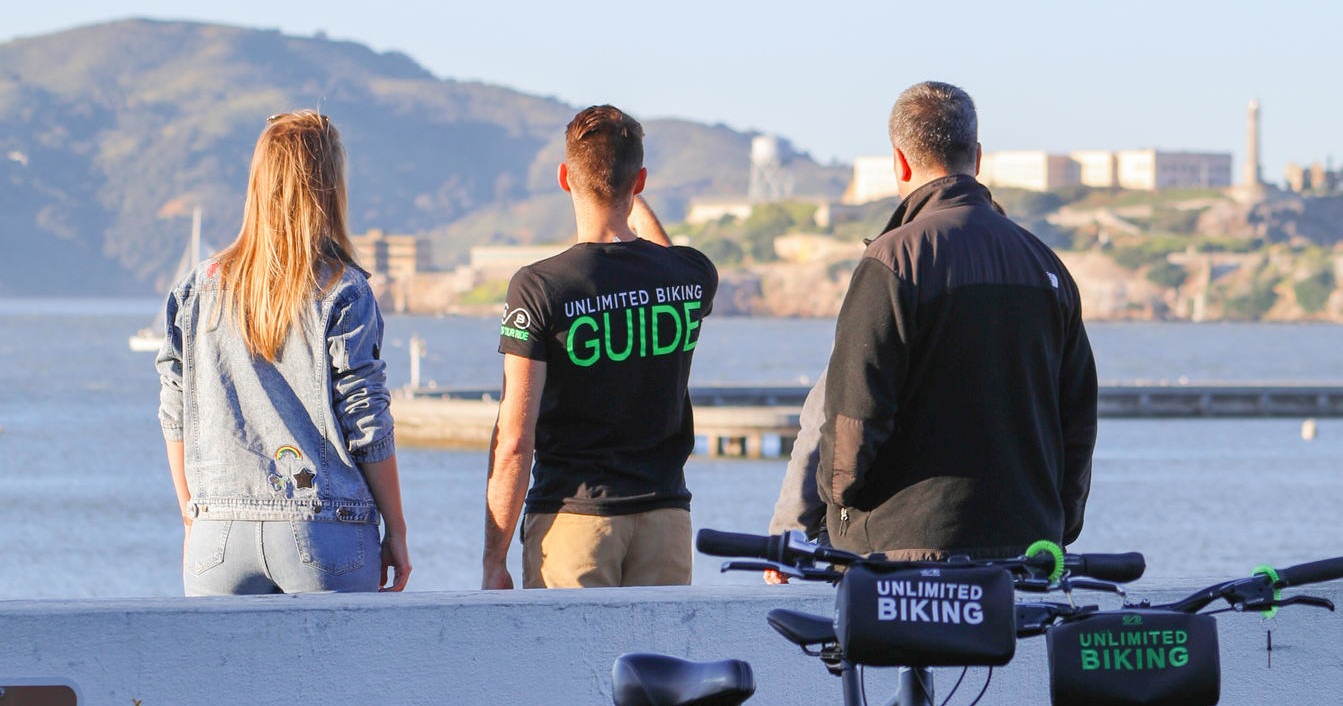
Top Bike Tours in San Mateo, California
San Mateo sits at the intersection of placid bayfront pathways and forgiving inland climbs, giving bike tourists a compact palette of rides: flat, wind‑aware bay trails for relaxed coastal pedaling; redwood‑lined service roads and reservoir loops for mellow gravel and e-bike exploration; and short, punchy climbs that reward riders with view corridors back to the bay and the skyline of San Francisco. This guide breaks down the best ways to turn a day in San Mateo into a purposeful ride—whether you want a social cruise, a training loop, or a mixed‑surface discovery route.
Top Bike Tour Trips in San Mateo
39 trips • Book with confidence • Instant confirmation
Why San Mateo Is a Standout Bike Touring Destination
San Mateo compresses Bay Area variety into a rideable afternoon. In less than an hour you can pedal flat, protective bay shoreline with long sightlines and minimal grade; climb short, shaded service roads through stands of redwood and eucalyptus; and thread through small towns where coffee shops and bike shops are mere minutes from the trail. The geometry of the peninsula—bay to the east, hills to the west—creates an accessible gradient of experiences. Beginners and families find calm routes along the Bay Trail and Coyote Point, where tidal flats and migratory birds are as much the point of the ride as movement itself. Road cyclists and training groups can string together faster miles on flat, protected frontage roads that link San Mateo to Burlingame and further north toward San Francisco. For those who like surfaces that rattle the teeth a little, the reservoir service roads around Crystal Springs and Sawyer Camp open up gravel loops framed by water and old-growth riparian corridors.
What makes bike touring in San Mateo particularly compelling is connectivity. Caltrain stations in neighboring Burlingame and San Mateo make one‑way tours simple—load a bike and head south for a point‑to‑point ride—or start with a northbound ferry or train to stitch together multi‑day Peninsula itineraries. The scale of local towns rewards slow travel: a short detour off the trail reveals pastry shops, artisanal coffee roasters, and family‑run delis where you can refill bottles and restore calories. This is touring that combines the visceral pleasure of pedaling with practical infrastructure—bike lanes, wayfinding signs, bike racks, and rental options within a short drive of major transit hubs.
Environmental context shapes everything here. The Bay’s tidal marshes and reservoir waters are habitats for migratory birds and native plants; the rolling hills capture a mosaic of microclimates—peaks of fog that cool the mornings, wind funnels that make certain bridge crossings a test of handling, and sun pockets inland that dry the roads quickly after an overnight drizzle. Respect for these places shows up in how riders plan: low‑impact stops, adherence to posted trail rules, and an awareness that some service roads and wetlands are seasonally sensitive. The region’s history—Spanish ranchos, early railroad lines, and more recent conservation efforts—threads through the landscape. Old rail grades repurposed as trails, century‑old reservoirs, and preserved shoreline parcels give rides a layered feeling, where every curve in the route hints at a different era.
Practically speaking, San Mateo is a terrific place to learn how to layer a bike tour. It’s easy to scale a route—from a gentle 8‑ to 12‑mile bay loop ideal for families to a 40‑mile training ride that links the peninsula’s best vantage points. Riders can mix disciplines: a road bike on the bayside lanes, an e‑bike for longer exploratory loops, or a gravel bike for the reservoir tracks. Complementary activities abound—paddleboarding at Coyote Point, a coastal hike through Edgewood Park’s wildflowers, or a winery or brewery stop in the nearby hills—so the ride can be the spine of a broader active day. Whether you’re aiming for a measured training session, a photo‑forward coastal escape, or a slow‑travel ride with strategic cafe stops, San Mateo’s compact, varied terrain rewards curiosity and planning in equal measure.
The routes are scalable: flat bay trails for beginners, gravel reservoir loops for explorers, and connected road miles for fitter cyclists.
Microclimates mean you can experience cool, fogged mornings and warm inland afternoons in a single ride—pack layers.
Easy transit connections (Caltrain, nearby ferries) make one‑way tours and bike‑and‑ride itineraries straightforward.
Best Time to Visit
Best Months
Weather Notes
San Mateo’s climate is mild year‑round. Spring brings clearer skies and wildflowers; late summer and early fall (the Bay Area’s ‘Indian summer’) often offer the most stable, wind‑calm days. Mornings can be foggy and cool, especially near the water, and afternoons may warm inland. Winter brings occasional rain—reservoir roads can be muddy for a short window after storms.
Peak Season
Late summer through early fall for clearer skies and calmer winds.
Off-Season Opportunities
Winter and early spring offer quieter trails and fewer crowds; be prepared for wet conditions and check reservoir access after storms.
Frequently Asked Questions
Do I need permits to ride around Crystal Springs or Sawyer Camp?
Most public trails and reservoir service roads are open to cyclists, but specific access points and parking areas may have rules; check San Mateo County Parks updates for temporary closures or restrictions.
Can I bring my bike on Caltrain?
Caltrain permits bicycles on board, with some rules during peak hours. Folding bikes are unrestricted; non‑folding bikes may be restricted during commute peaks—check Caltrain’s official rider guide for current policies.
Are e‑bikes allowed on local trails?
E‑bike rules vary by trail jurisdiction and class of e‑bike. Class 1 e‑bikes are generally accepted on paved Bay Trail segments; for reservoir service roads and park trails, verify with the managing agency before riding.
Choose Your Experience Level
Beginner
Flat, paved Bay Trail segments and short family‑friendly loops with minimal grade and easy access to cafes and restrooms.
- Bay Trail loop to Coyote Point and back
- Short waterfront cruise to Burlingame and pastry stop
- Family ride through Central Park and downtown San Mateo
Intermediate
Mixed‑surface outings, reservoir loops, and longer point‑to‑point rides that require basic navigation and comfort with occasional traffic crossings.
- Crystal Springs reservoir loop on mixed gravel and service roads
- Sawyer Camp to Burlingame Bay Trail mid‑distance ride
- Point‑to‑point via Caltrain and Bay Trail
Advanced
Longer endurance or fast group rides linking peninsula climbs and flat miles, technical gravel sections, and routes that require route‑finding and traffic management.
- Peninsula endurance loop: San Mateo to Half Moon Bay and back
- Fast training route linking Cañada Road climbs with bay flats
- Gravel circuits that include reservoir service roads and off‑pavement sections
Insider Tips & Local Knowledge
Confirm trail access and seasonal advisories before riding; parking, closures, and e‑bike rules can change.
Start rides early to beat afternoon wind and to find calmer bay crossings. If you’re sensitive to wind, plan a route that gives you the prevailing wind at your back for the return leg. Use Caltrain to create one‑way tours—bring a compact lock if you plan to explore off the train for longer. Coffee shops in Burlingame and downtown San Mateo are reliable mid‑ride refuel stops; many have bike racks and water refill stations. For quieter gravel exploration, aim for weekday mornings and avoid reservoir roads immediately after heavy rains. Carry cash or cards for parking fees at some trailheads, and consider a lightweight, folding lock if you’ll make multiple stops. Finally, leave no trace at shoreline spots—tidal marshes are sensitive habitats and popular for birding; keep to designated paths.
What to Bring
Essential
- Helmet and front/rear lights
- Spare tube, pump or CO2, tire levers, multi‑tool
- Water (at least 20 oz / 600 ml for shorter rides) and electrolyte snacks
- Layering pieces: lightweight windbreaker and a baselayer
- Phone with offline map and a physical route cue or printed map
Recommended
- Small first‑aid kit and sunscreen
- Patch kit and extra chain link for longer tours
- Portable power bank for e‑bikes’ range extenders or GPS
- Cash or card for cafe stops and bike shops
Optional
- Compact binoculars for birdwatching on the bay
- Light waterproof shell for sudden drizzle
- Mirror and high‑visibility vest for urban segments
Ready for Your Bike Tour Adventure?
Browse 39 verified trips in San Mateo with instant booking
Explore Top 15 San Mateo, California Adventures →