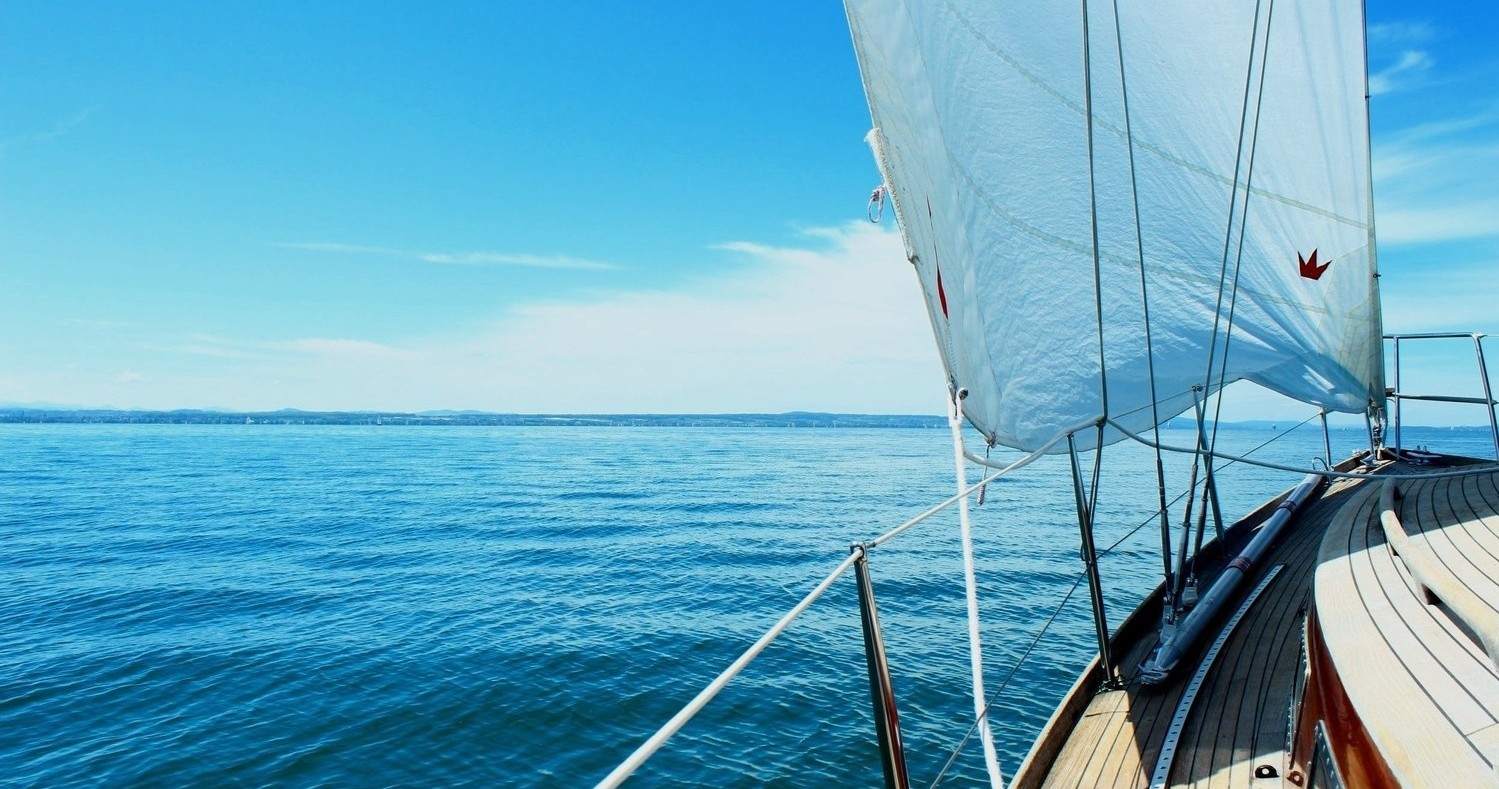
Sailing in San Marcos, California
San Marcos sits just inland of a stretch of Southern California coastline that makes for varied, accessible sailing: sheltered lake days, protected harbor cruises, and quick coastal exits to open water. This guide focuses on how to experience sailing from a San Marcos base—where to learn, where to launch, what winds to expect, and how to plan day sails and multi-activity trips that mix coastal exploration with paddleboarding, snorkeling, and shoreline hikes.
Top Sailing Trips in San Marcos
59 trips • Book with confidence • Instant confirmation
Why Sail Around San Marcos
Sailing from San Marcos is a study in contrasts: morning light on a small inland lake, midday sea breezes along a sand-and-cliff coastline, and late-afternoon harbor approaches where commercial traffic and weekend cruisers weave a practiced choreography. The town itself is a useful hub—parking, provisioning, and relaxed neighborhoods—yet the water you chase is always a short drive away. Lake San Marcos offers a low-stakes environment for learning fundamentals—points of sail, tacking, and boat handling—on glassy water framed by lawns and palms. From there, a 20–40 minute drive takes you to sheltered harbors and wide bays where dinghies, keelboats, and day-charter cats share lanes with paddleboarders and local fishing craft.
The region’s sailing personality is defined by predictable local patterns and accessible variety. On coastal days, a reliable afternoon sea breeze shapes pleasant beam-reach opportunities; mornings can be light and glassy, ideal for skill drills and dinghy work. Harbors provide protected passage and scenic routes for sunset sails and family outings, while open-water days—when conditions align—reveal the broader Pacific: rolling swells, kelp forests, and the stretch of coastline that leads south toward San Diego or north toward the straighter, windier runs off Oceanside and Carlsbad. Beyond pure seamanship, sailing here is an entree to related outdoor experiences. Combine a morning sail with a shoreline hike to tide pools, a midday stop at a coastal village for fish tacos and local craft beer, or a late-afternoon paddle in a quiet cove.
There’s also an understated cultural and ecological context to keep in mind. The coastline carries layers of maritime history—from mission-era trading routes to the evolution of modern recreational boating—and local clubs, schools, and marinas have long been stewards of that living tradition. Marine habitats are fragile; kelp beds, intertidal zones, and migratory bird areas benefit from cautious anchoring and respect for wildlife. Practically, launching options, vessel size, and whether you’ll find instruction or rentals depend on your choice of launch point and the season. Whether you’re a first-timer looking for calm lake sails or a seasoned crew planning coastal day hops, the area around San Marcos gives you short trips with big variety—an ideal base for building skills, exploring bays, and layering activities for a full outdoor day.
Accessible variety: lake sailing for learners, protected harbors for family sails, and coastal runs for day-sail enthusiasts.
Nearby services: provisioning, launch ramps, and schools are concentrated along the coast and in harbor towns a short drive from San Marcos.
Complementary activities: paddleboarding, snorkeling, coastal hiking, and beachcombing pair well with half-day and full-day sails.
Environmental awareness: watch for kelp beds, protected shorelines, and typical harbor regulations; practice low-impact anchoring and garbage-free outings.
Best Time to Visit
Best Months
Weather Notes
Spring and fall typically combine milder temperatures and steady sea breezes. Summer brings more predictable afternoon onshore winds but also more boat traffic; winter can be cooler with occasional storms—check coastal forecasts and marine advisories.
Peak Season
Summer (June–August) for consistent afternoon winds, calm harbor days, and higher visitor numbers.
Off-Season Opportunities
Winter and early spring can deliver quiet marinas and lower rates for instruction or charters; inland lake days may be calmer and clearer for skill-building, but check for rain and seasonal service schedules.
Frequently Asked Questions
Do I need a boating license or permit to sail near San Marcos?
Regulations vary by jurisdiction and vessel type. Small recreational sailboats often require a basic boating safety card in California for operators of motorized vessels; for non-motorized sailing, check local harbor rules. Confirm requirements with the launch site or rental provider.
Are there places near San Marcos to rent sailboats or take lessons?
Yes. Within short drives of San Marcos you’ll find sailing schools, community programs, and rental operators at nearby harbors and bays. Look for beginner lesson packages and skippered day sails if you want guided coastal experience.
What's the safest way to start if I'm new to sailing?
Begin on a sheltered body of water—such as a lake or protected harbor—and take a lesson with a certified instructor. Practice basic maneuvers, safety drills, and weather-reading before attempting open-coast sails.
Choose Your Experience Level
Beginner
Introductory sailing on sheltered waters—focus on boat handling, points of sail, tacking and basic safety in calm conditions.
- Dinghy lesson on a calm lake
- Intro keelboat clinic in a protected harbor
- Family afternoon sail and rigging basics
Intermediate
Short coastal hops and harbor-to-harbor day sails where wind management, navigational basics, and anchoring skills are put to use.
- Coastal day sail with crewed charter
- Harbor navigation practice and short passages
- Tidal planning and sheltered-cove anchoring
Advanced
Extended coastal passages, stronger wind days, and blue-water preparation where advanced seamanship, meteorology, and navigation are essential.
- Multi-day coastal cruising and overnight anchoring
- Offshore passages from nearby ports (require experienced crew)
- Advanced boat handling in wind and swell conditions
Insider Tips & Local Knowledge
Always verify local launch rules, marina access, and up-to-date marine forecasts before casting off.
Start early on coastal days—the morning is often calmer before the sea breeze builds. For sheltered practice, Lake San Marcos gives predictable, low-traffic conditions ideal for first lessons. When sailing from harbors, plan routes that avoid dense kelp beds and respect marked channels; watch for commercial traffic and fishing gear. Check NOAA and local harbor advisories for tidal currents and wind shifts; coastal winds typically strengthen in the afternoon and can shift direction close to shore. Partnering with a local school or joining a club cruise is the fastest way to learn local quirks and launch etiquette. Finally, pack layers: a light windbreaker often makes the difference between a comfortable sail and a chilly, shortened afternoon.
What to Bring
Essential
- USCG-approved life jacket or personal flotation device
- Sun protection: SPF-rated sunscreen, hat, and polarized sunglasses
- Non-slip, closed-toe deck shoes or sailing boots
- Water and high-energy snacks
- Waterproof bag for phone, keys, and layers
Recommended
- Light foul-weather layer and windbreaker (coastal winds can be cool)
- Light gloves for handling sheets and lines
- Small first-aid kit and seasickness remedies if sensitive
- Portable VHF radio or fully charged phone with marine-weather apps
Optional
- Binoculars for coastline and birdwatching
- Drybag camera or action camera for sea shots
- Tide and local chart printouts for planned coastal excursions
Ready for Your Sailing Adventure?
Browse 59 verified trips in San Marcos with instant booking
Explore Top 15 San Marcos, California Adventures →