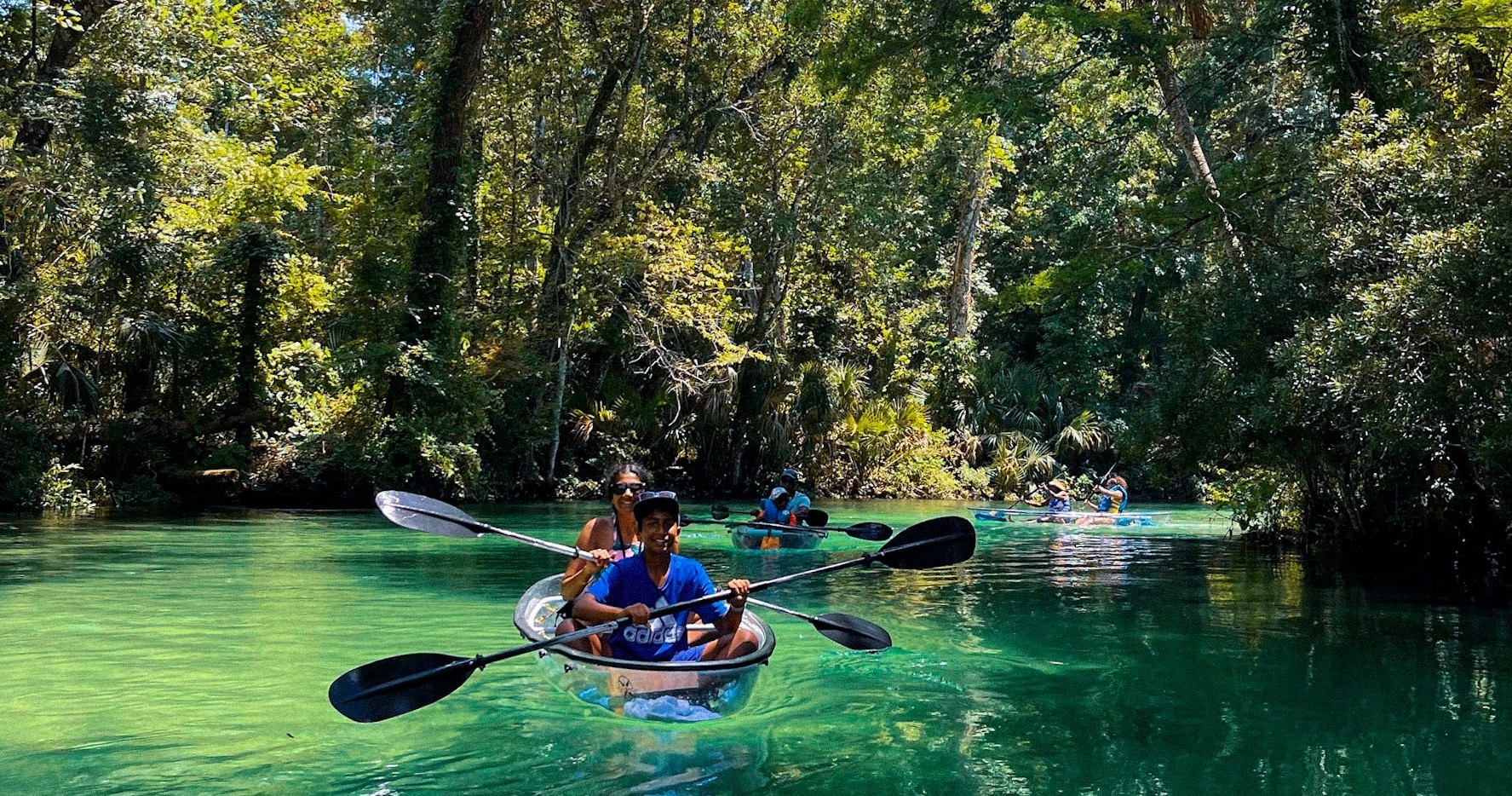
Top Eco Tours in San Antonio, Florida
San Antonio, Florida condenses the essentials of a Floridian eco-tour into a compact, walkable geography: low-slung marshes and mangrove-lined creeks, blackwater rivers threading through pine flatwoods, and karst-fed springs that lure birds, turtles, and the occasional manatee downstream. Local operators guide small groups on kayaks, skiffs, and boardwalks, orienting each trip around seasonal migrations, water quality, and habitat restoration. Whether you want a dawn paddle to catch wading birds, a sunset estuary cruise to watch dolphins slip through channels, or a volunteer-focused tour that pairs a shoreline cleanup with naturalist orientation, eco tours here blend hands-on biology with graceful, slow travel.
Top Eco Tour Trips in San Antonio
25 trips • Book with confidence • Instant confirmation
Why San Antonio, Florida Is a Standout Eco-Tour Destination
San Antonio's eco-tour appeal is quiet and unflashy: it’s a place where geography and climate conspire to create concentrated pockets of biodiversity within short drives of one another. In the same morning you can thread a kayak through tannic backwaters that stain the water like tea, step onto a raised boardwalk through salt marsh where fiddler crabs tap the mud like percussion, and walk a short trail into scrub habitat where gopher tortoises root in the sand. Because many habitats here are narrow ribbons between developed areas, eco tours emphasize observation and low-impact movement—paddling quietly, scanning edges for silhouettes, and listening for the high-pitched chatter of migrant warblers.
The region’s hydrology is central: karst springs and seeps feed crystal-clear runs that contrast sharply with blackwater tributaries thickened by leaf litter and tannins. Each water type supports different species and different tour rhythms. Spring-fed creeks invite snorkeling, freshwater fish counts, and aquatic-plant studies; blackwater rivers are prime for nocturnal amphibian surveys and culturally rich river storytelling. Operators in San Antonio fold local history into natural history—explaining how cattle, citrus, and phosphate mining shaped river courses and wetlands—and they often partner with conservation groups to monitor species, control invasive plants, or restore shoreline buffers. That means eco tours here are not only observational but often participatory: travelers can leave a site healthier than they found it.
Seasonality drives the experience. Winter’s cooler water temperatures and clearer skies concentrate wildlife—migratory songbirds and raptors stopover, and manatee sightings increase in nearby warm springs—while late spring and summer highlight insect life, frogs, and the explosive green of subtropical growth. Weather is part of the show; thunderstorms in summer create dramatic light and surge nutrients downstream, while dry spells compress water and make certain wetlands more visible. For planners, that translates into a simple rule: choose your season around the ecology you want to see, and select guides who organize tours by tide, flow, and breeding cycles rather than by a fixed calendar. This is a place for slow observation, deliberate movement, and tours that reward patience.
Small-group paddles, guided birding walks, and volunteer restoration outings are common formats—each designed to minimize footprint while maximizing learning. Many operators cap trips at six to ten participants and focus on interpretive storytelling as much as species lists.
Because habitats are often edge ecosystems—where inland uplands meet brackish estuaries—tours can pivot from freshwater to saltwater contexts in a single afternoon, providing a compact way to see multiple Florida ecosystems without long travel times.
Best Time to Visit
Best Months
Weather Notes
Cooler, drier months concentrate wildlife and lower insect pressure; summer brings afternoon thunderstorms and higher humidity. Tides and recent rainfall strongly affect paddling conditions and wildlife visibility.
Peak Season
Winter and early spring—migratory birds and clearer conditions draw more guided tours.
Off-Season Opportunities
Late spring and summer mean abundant breeding activity, easy access to freshwater springs, and opportunities for volunteer work on habitat restoration when fewer tourists are present.
Frequently Asked Questions
Do I need permits for most eco tours?
Most guided eco tours include access permissions and do not require separate permits for participants. Specialized research activities or independent access to sensitive sites may need permits—check with tour operators or local land managers.
Are eco tours suitable for children and beginners?
Yes—many operators design family-friendly trips with shorter distances, stable tandem kayaks, or boardwalk routes. Ask in advance about age minimums and safety provisioning.
Will I see manatees or dolphins?
Wildlife sightings are never guaranteed, but certain seasons and habitats increase the odds—winter in spring-fed areas raises manatee likelihood, while estuary cruises often encounter dolphins. Guides know where to look and how to maximize ethical viewing.
Choose Your Experience Level
Beginner
Gentle paddles on protected creeks, boardwalk bird walks, and short interpretive skiff tours; low fitness requirement.
- Calm estuary kayak with shore birding
- Guided boardwalk wetlands walk
- Short conservation volunteer clinic
Intermediate
Longer half-day paddles, tidal estuary navigation, and mixed-terrain nature hikes that require basic paddling skills and moderate fitness.
- Half-day tidal paddle to mangrove islands
- Sunset estuary cruise with short shore stops
- Guided night-wildlife canoeing
Advanced
Multi-hour paddles in exposed coastal channels, technical navigation by tide and wind, or volunteer projects requiring physical labor and heat tolerance.
- Open-water paddle between barrier islands
- Volunteer shoreline restoration and armoring removal
- Extended survey paddle with species monitoring tasks
Insider Tips & Local Knowledge
Book small-group tours in advance for peak months, respect wildlife viewing distances, and follow guide instructions for ethical interactions.
Go with operators who emphasize Leave No Trace and local partnerships—these guides coordinate with conservation groups and can often point you to volunteer options that deepen your experience. Time paddles around tides and morning light: low tide can expose more mudflat for shorebirds, while high tide opens channels and brings dolphins closer to shore. Carry layered sun protection rather than heavy clothing; shade is limited on many waterways. Insect pressure spikes after rain—pack repellent and consider long sleeves for early-morning or dusk tours. If you want to swim or snorkel springs, ask about water temperature and visibility; spring-fed runs can be much cooler than surface water. Finally, support local stewardship by choosing tours that contribute a portion of fees to habitat restoration or local research—your visit can be both memorable and meaningful.
What to Bring
Essential
- Lightweight, quick-dry clothing and a sun hat
- Water bottle (or hydration bladder) and high-energy snacks
- Waterproof footwear or sandals with secure straps for paddling
- Sunscreen and polarized sunglasses
- Reusable waterproof bag for electronics
Recommended
- Binoculars for birding
- Small dry bag for personal items
- Insect repellent formulated for ticks and mosquitoes
- Light rain shell for sudden showers
Optional
- Compact camera with zoom lens
- Water shoes or neoprene booties for spring snorkeling tours
- Notebook or phone app for species ID and field notes
Ready for Your Eco Tour Adventure?
Browse 25 verified trips in San Antonio with instant booking
Explore Top 15 San Antonio, Florida Adventures →