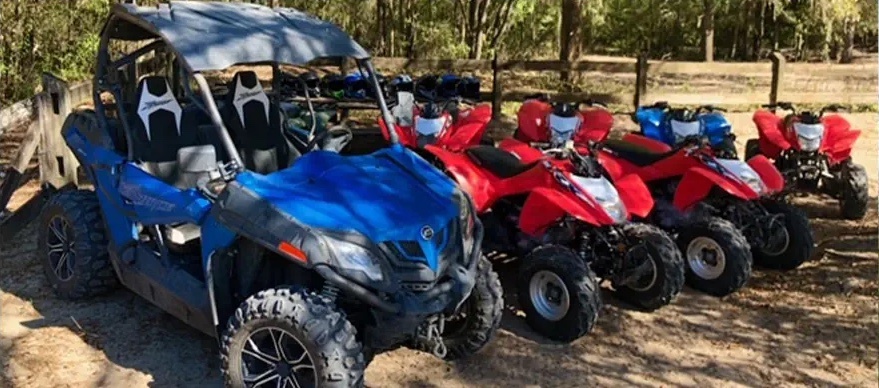
Top 17 ATV & UTV Adventures in San Antonio, Florida

San Antonio, Florida

San Antonio, Florida reveals a quieter, low-country side of off-road riding — a patchwork of sandy trails, pine ridges, ranch lanes, and private riding parks that invite ATVs and UTVs to stretch their legs. This guide focuses on where to ride, how to prepare, and what to expect on a day or multi-day outing in and around the town: think fast sandy sections, technical root-strewn stretches through flatwoods, and the occasional muddy bowl that tempts a winch. Whether you're renting a side-by-side for a guided loop, joining a club ride along farm roads, or exploring a private park, this guide ties the sensory experience to practical considerations — access, seasonality, safety, and environmental stewardship.

17
Activities
Year-round (best Oct–Apr)
Best Months

Top ATV/UTV Trips in San Antonio

17 trips • Book with confidence • Instant confirmation

Why San Antonio, Florida Is a Standout ATV/UTV Destination

If you think Florida off-roading is only about endless mud bogs and beachfront dune runs, San Antonio delivers a quieter, more varied counterpoint: a network of sandhill ridges, cattle roads, scrub patches and privately managed riding areas that reward both throttle control and route planning. The terrain here is honest rather than extreme — long sandy stretches that let riders find a rhythm, rooty stretches through pine flatwoods that demand line choice, and intermittent muddy hollows that test traction and recovery skills. Those contrasts make the area ideal for short, playful outings and longer loops where changeable footing keeps concentration high.

Beyond the sensory pleasures of throttle, wind and pine resin, San Antonio offers a practical playground. Rural property owners, ranches and private riding preserves often host guided tours and permit-based access, which is a huge benefit for riders who want maintained trails, safety oversight, and on-site services like rentals and basic mechanical support. For independent riders the backroads and legal riding corridors provide exploratory options, though responsible navigation and respect for private land are essential. The surrounding landscape — agricultural fields, scrub habitat and small creek corridors — also shapes the riding calendar: wet summers can turn sandy tracks into sticky, slow-moving challenges and open drier, fast-packed lines in autumn and winter.

The cultural context matters too. Off-road communities here tend to be close-knit; local clubs organize weekend runs, skills clinics and conservation-minded trail maintenance. That social infrastructure makes San Antonio an appealing place for riders who want to plug into existing networks rather than blaze unauthorized routes. Complementary activities round out a visit: kayak and canoe trips on nearby rivers, birding across scrub and wetland edges, or a day at a nearby state forest for hiking and mountain biking when you want to give the machine a rest. For travelers, the combination of manageable terrain, local expertise and a slower pace makes San Antonio a smart choice for an introductory UTV trip or a calm weekend of mixed-skill group riding.

Planning-wise, success here is about preparation and humility. Vehicle recovery gear, sensible tires for sand and roots, and a practiced eye for soft edges will keep days moving smoothly. Weather is a governing variable: avoid hurricane-season storms and time summer afternoons for shorter systems or guided rides that know the drainage. Above all, these landscapes are ecologically sensitive — stay on designated routes, avoid wetlands, and follow property-specific rules to protect scrub habitat and wildlife while keeping the doors open for future riders.

Ride variety is the draw: open sandy corridors for speed, technical pine flatwoods that reward clean line choice, and managed parks that offer mapped loops, obstacles, and support services.

Seasonality shifts the experience: fall through spring tends to be drier and more comfortable for long rides, while summer brings heat, humidity, and deeper mud after storms; always check local trail status ahead of time.

Activity focus: Off-road ATV & UTV riding
17 curated rides, loops, and parks in the region
Terrain: sandhill, pine flatwoods, ranch roads, occasional wetlands
Best seasons: fall through spring for drier, cooler conditions
Respect private property and habitat-sensitive areas

Best Time to Visit

Best Months

OctoberNovemberDecemberJanuaryFebruaryMarchApril

Weather Notes

Central Florida weather is mild in fall and winter with lower humidity; spring offers pleasant days for long loops. Summers are hot, humid and punctuated by afternoon thunderstorms. Heavy rains can quickly alter trail conditions, so check recent weather and trail reports.

Peak Season

Late fall through early spring when trails are drier and temperatures are cooler.

Off-Season Opportunities

Summer offers fewer crowds and muddy, technical riding conditions for experienced drivers; guided outfitters sometimes run weekday programs to avoid storms.

Frequently Asked Questions

Do I need permits or memberships to ride?

Access requirements vary by property. Many private parks and preserves operate on a pay-to-ride or reservation basis; for rural roads and club rides, coordinated permission is often required. Check each operator's or landowner's rules before you go.

Are rentals available locally?

Local outfitters and nearby towns frequently rent side-by-sides and ATVs, often offering guided rides and basic training. Verify insurance, age limits, and experience requirements with the rental company.

Is guided riding safer than going solo?

Guided rides are recommended for visitors unfamiliar with local terrain: guides know permitted trails, recovery options, and weather patterns, and they typically carry recovery and first-aid equipment.

How environmentally sensitive are the trails?

Many habitats around San Antonio are ecologically sensitive — scrub, gopher tortoise zones and wetland edges. Stay on designated trails and follow property rules to minimize impact.

Choose Your Experience Level

Beginner

Short, groomed loops on private riding areas or guided flatwoods loops with minimal technical obstacles — ideal for first-time UTV users and families.

  • Guided UTV orientation loop
  • Private riding park beginner circuit
  • Short ranch road exploratory ride

Intermediate

Longer loops that mix sandy high-speed sections with rooty trail connectors and optional muddy detours; requires basic recovery knowledge and comfort with variable traction.

  • Half-day sandhill loop with creek crossings
  • Mixed terrain backroad loop with moderate technical sections
  • Club-run on locally maintained trails

Advanced

Extended multi-hour runs, deep-mud play areas, or technical park features that demand vehicle setup changes, advanced recovery techniques, and strong navigation skills.

  • All-day routed ride through private preserves and backcountry lanes
  • Technical obstacle courses at managed parks
  • Deep-mud and winch-practice sessions

Insider Tips & Local Knowledge

Confirm access, rental rules, and weather before you arrive; protocols and trail availability change seasonally.

Start rides early to avoid midday heat and afternoon storms. Connect with local riding clubs and outfitters for up-to-date trail conditions and permission-based access. Carry recovery gear even on seemingly easy loops — sandy sections can quickly bog a loaded UTV. Respect private land: stay on marked routes, don't ride through wetlands or standing water unless explicitly allowed, and pack out what you pack in. Be mindful of wildlife and protected species; slowing for birds and turtles keeps both you and the landscape safe. Finally, if you're new to Florida's humidity, plan hydration breaks and pay attention to heat illness signs — the terrain may be forgiving, but the climate can be demanding.

What to Bring

Essential

  • DOT-approved helmet (if required by operator) and eye protection
  • Gloves and durable riding clothes — breathable layers for heat
  • Recovery gear: tow strap, D-shackles, hand winch or rated snatch block
  • Tire repair kit and air pump or portable compressor
  • Water, high-energy snacks, and sun protection

Recommended

  • GPS device or phone with offline maps and a paper map as backup
  • Basic tool kit and spare fuses/fluids for common repairs
  • Small first-aid kit and emergency signaling device
  • Lightweight microspikes or boots for walking muddy crossings

Optional

  • GoPro or helmet camera for recording lines and obstacles
  • Portable jump starter and battery tender
  • Compact camp chair and shade tarp for midday stops

Ready for Your ATV/UTV Adventure?

Browse 17 verified trips in San Antonio with instant booking

Explore Top 15 San Antonio, Florida Adventures →