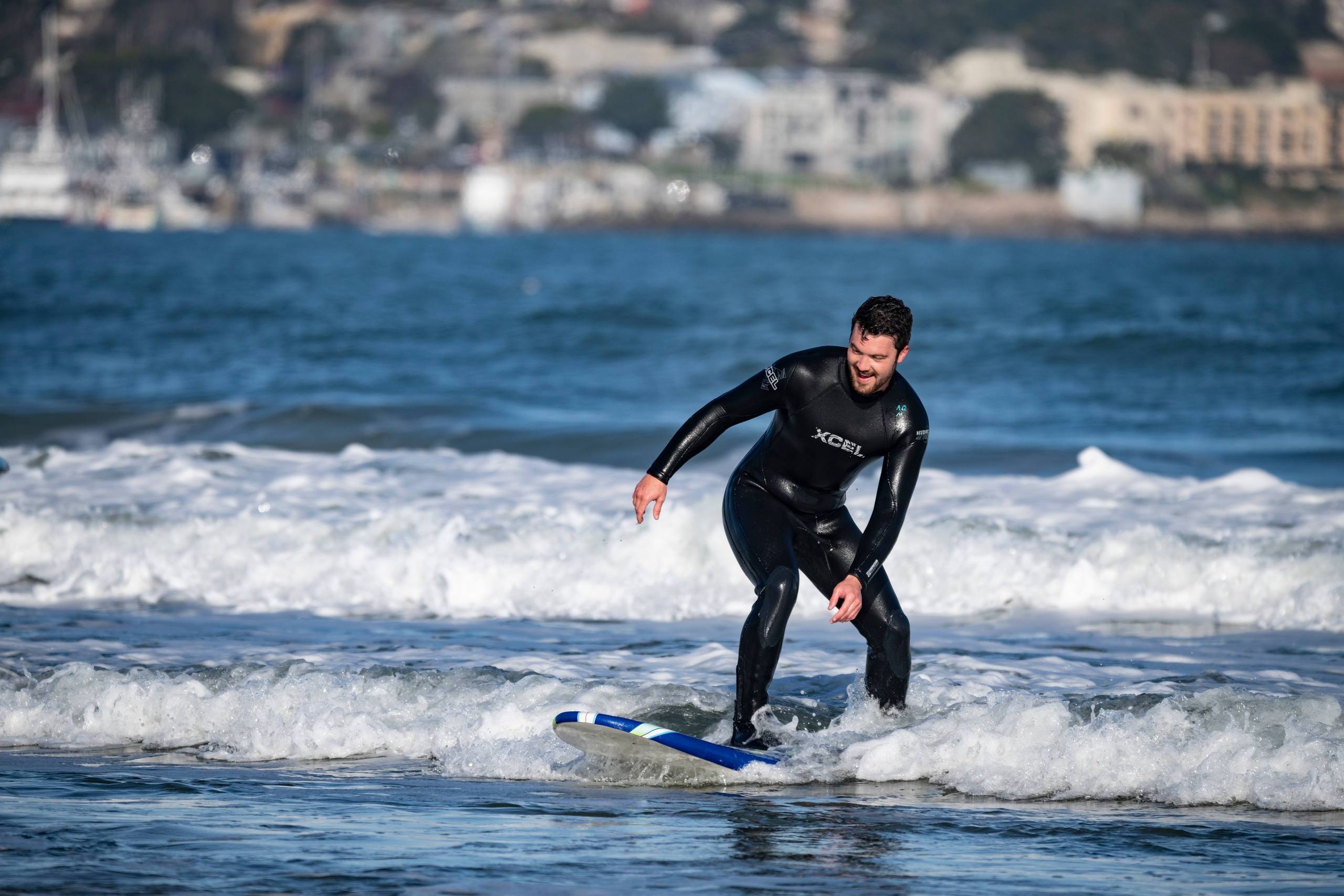
Surfing Around Salinas, California

Salinas, California

Salinas sits a short drive from the sandy beaches and rocky points of Monterey Bay, positioning it as a low-key base for surf trips that range from gentle learner-friendly beach breaks to exposed point and reef sessions in nearby breaks. Expect cool water, fickle wind, fog season, and a surf culture that leans practical—community surf schools, longboard-friendly lineups, and powerful winter swells a short drive away.

29
Activities
Year-Round (best fall–winter for swell)
Best Months

Top Surf Trips in Salinas

29 trips • Book with confidence • Instant confirmation

Why Salinas Works as a Surf Base

The surf story around Salinas is one of proximity and variety rather than one iconic, standing wave. From this agricultural valley town you can be on a sandbar at Marina State Beach in 25 minutes or standing on wind-swept rock at Moss Landing in half an hour. Monterey Bay is a broad, horseshoe-shaped embayment that reshapes swell, tide and wind into a suite of surf options: forgiving beach breaks for learners, mellow longboard rides where the sand banks settle, and more demanding reef and point breaks that fire up when northwest winter swells arrive. That variety makes Salinas a practical choice for travelers who want range—lesson-friendly mornings, a progressive afternoon surf at a nearby point, and a sunset walk on a quiet stretch of coast.

The water here is characteristically cold—expect layers of fog, a brisk onshore breeze some afternoons, and water temps that keep wetsuits in nearly year-round. The microclimates around Monterey Bay matter: mornings often offer calmer, glassy conditions before the thermal winds pick up; high tide can either groom a beach break into a smooth, surfable face or push waves over shallow sandbars and rocks depending on the spot. Seasonal rhythm matters too. Late summer and fall bring cleaner, more genteel waves with occasional southern-hemisphere groundswell leftovers. Fall transitions into winter, when consistent northwest swells arrive, producing the longest, most powerful rides of the season—at once the most exhilarating and the most hazardous for the unprepared.

But this guide isn’t only about waves. Surf trips around Salinas are braided with coastal wildlife and cultural threads: whale and dolphin migrations offshore, tidepool life on rocky intertidal benches, and a hinterland that carries the mythic strains of Steinbeck country. After a session you can refuel with straightforward seafood in Monterey, find a craft beer in Marina, or explore farm stands and tasting rooms that showcase the Salinas Valley’s produce. For the practical traveler—families, mixed-ability groups, or the solo adventurer chasing swell—Salinas offers short drives to surf that ranges in difficulty, steady local schools for lessons and rentals, and a calm base away from the higher-visitation beach towns. The payoff is a surf trip that’s flexible: plan for an early lesson at a gentle beach break, shift to a longboard session when the wind lays down, and take a scenic coastal drive to a more earned wave when the swell and tide align.

Understanding local logistics elevates the experience. Peak surf windows are not just about swell size; they’re about tide, wind direction, and crowds. Many of the best, mellower rides are tide-sensitive sandbars that reshape after storms. Points and reefs light up with NW swell but demand respect for currents and rock. Parking near popular beaches fills early in summer, while winter storm days can bring large crowds of photographers and hardy locals. The surf culture here tends toward being welcoming but pragmatic: paddlers expect you to know basic lineup etiquette, secure your gear, and respect closures around marine-protected areas. Arrive with a wetsuit and a plan for tides and winds, and you’ll find Salinas an efficient, unflashy gateway to some of Central California’s more accessible coastal surfing.

Short drives deliver a wide range of surf: sheltered sandbars for beginners, longboard-friendly points, and exposed reef breaks when conditions align.

Water is cold year-round compared with Southern California—wetsuits are standard. Expect morning calm and afternoon winds during warm months.

Seasonal swell patterns favor fall and winter for size and consistency; summer is gentler—ideal for lessons and family-friendly sessions.

Complementary activities include whale watching, kayaking, tidepooling, coastal cycling, and exploring Salinas Valley farm-to-table food.

Activity focus: Surfing & Coastal Watercraft
Nearest consistent spots: Marina State Beach, Sand City, Moss Landing, nearby Santa Cruz for more consistent breaks
Typical water temperature: cool—wetsuits recommended year-round
Skill range: beginner-friendly beach breaks to advanced reef and point surf
Tide and wind sensitive—morning sessions often calmer

Best Time to Visit

Best Months

SeptemberOctoberNovemberDecemberJanuaryFebruary

Weather Notes

Expect cool coastal temperatures and frequent morning fog (June Gloom). Afternoon thermal winds are common in summer and into early fall; winter brings larger northwest swells and stormier conditions. Water rarely exceeds the mid-60s °F—plan for a wetsuit.

Peak Season

Fall and winter swell season brings larger, more consistent waves and attracts locally focused lineups.

Off-Season Opportunities

Summer offers smaller, cleaner waves ideal for lessons, longboarding, and family sessions. Weekdays in shoulder seasons provide quieter lineups.

Frequently Asked Questions

Do I need a wetsuit?

Yes. Water temperatures in Monterey Bay are cool year-round—most surfers wear at least a 3/2 full suit, with thicker suits, booties, and gloves common in winter months.

Are lessons and rentals available near Salinas?

Yes. Surf schools and rental shops operate in Marina, Sand City and nearby coastal towns and cater to beginners and families; bookings are recommended during summer weekends.

Is parking difficult?

Parking near popular beaches fills early in summer and on holiday weekends. Off-peak mornings and weekdays offer easier access. Observe posted signs and respect residential areas.

What hazards should I be aware of?

Strong rip currents, rocky reefs, and variable tidal conditions. Moss Landing and other jetty areas can be particularly hazardous and are not suitable for inexperienced surfers.

Choose Your Experience Level

Beginner

Gentle sandbar beach breaks at Marina State Beach and stretches of Sand City offer forgiving, long-faced waves—ideal for lessons and longboard progression.

  • Beginner lesson at a protected beach break
  • Longboard session on a mellow bank
  • Foam-top practice in waist- to chest-high conditions

Intermediate

Intermediate surfers can explore shifting sandbars, ride longer walls on offshores, and experiment with late drops at point-like breaks when swell lines up and wind is favorable.

  • All-day bank-hopping around Monterey Bay
  • Shortboard sessions on cleaner morning swells
  • Paddle out to locally consistent sandbars at mid-tide

Advanced

Advanced surfers chase more powerful northwest swell peaks, aim for reef and point breaks that demand tight positioning and awareness of currents, and time sessions to low or incoming tides for optimal shape.

  • High-swell sessions on exposed reef/point breaks
  • Heavy-condition surfing near rocky outcrops and jetties
  • Exploring nearby Santa Cruz and Big Sur for world-class, more committed waves

Insider Tips & Local Knowledge

Check tide and wind forecasts, respect protected areas, and be conservative in swell-you-can-handle decisions.

Read the tide for the spot—many sandbars only organize into surfable lines at specific tidal windows. Early mornings often offer the calmest winds; aim for first light to beat onshore thermal breezes. Keep a comfortable wetsuit handy; even sunny afternoons can feel cold with wind chill and spray. Moss Landing and jetty areas can appear surfable but hide strong currents and submerged hazards—ask a local or surf school before paddling into unfamiliar spots. If you’re driving between multiple breaks, build in buffer time: coastal traffic and narrow access roads can slow a tight surf plan. Finally, pack food and water for long winter sessions—there are fewer services open at remote pullouts. Be courteous in the lineup, follow standard surf etiquette, and leave the area cleaner than you found it—Central Coast lineups are small, and local respect goes a long way.

What to Bring

Essential

  • Wetsuit (full suit 3/2–5/4 depending on season)
  • Leash and wax appropriate to board and water temperature
  • Surfboard(s) suited to your level (longboard for small, soft-top for beginners)
  • Towel, warm layers for post-surf, and a change of clothes
  • Waterproof dry bag or hatch for keys and phone

Recommended

  • Booties and gloves in late fall–winter if you get cold easily
  • Mini repair kit and spare fin key
  • Tide charts or a surf app for local forecasts
  • Low-profile helmet for heavy reef or unfamiliar points

Optional

  • Earplugs for cold-water surfers prone to swimmer’s ear
  • Compact first-aid kit (including antiseptic for board cuts)
  • Travel board bag for multi-stop surf days
  • Binoculars for reading offshore conditions and checking crowds

Ready for Your Surf Adventure?

Browse 29 verified trips in Salinas with instant booking

Explore Top 15 Salinas, California Adventures →