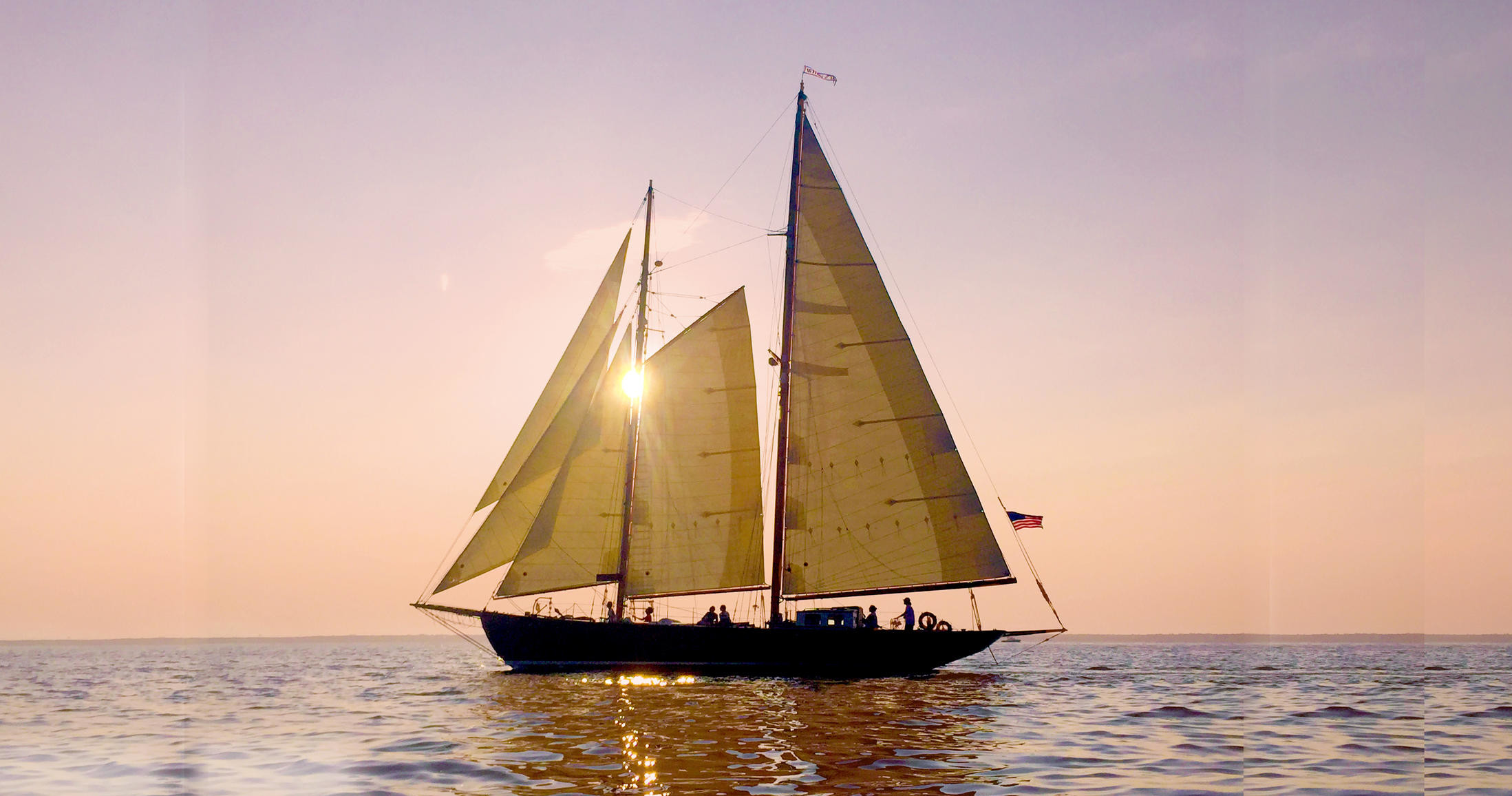
Sailing in Salem, New Hampshire
Salem is a quietly effective launching point for sailors who want the best of New England: short, sheltered lake days close to home and quick runs to coastal waters when the wind and schedule allow. Local harbors and inland lakes favor training sails, dinghy work, and leisurely days with family, while a half-hour drive delivers access to the Merrimack River and the Gulf of Maine for those chasing tides and open-water horizons. Expect a mix of community sailing schools, private charters, and rental options—perfect for a first lesson, a practice day on a pocket cruiser, or a weekend plan that pairs a day on the water with shore lunches and seaside villages.
Top Sailing Trips in Salem
51 trips • Book with confidence • Instant confirmation
Why Salem Works for Sailing
Salem sits in that useful middle ground of New England sailing: close enough to coastal shoals and saltwater harbors to make an afternoon passage achievable, but quiet and sheltered enough for learners to build confidence without the relentless chop of open ocean. The town's inland lakes and slow-moving rivers are teaching grounds—Canobie Lake and stretches of the Spicket provide calm water and short fetch where novices can practice sail trim, points of sail, and docking. When conditions and ambition align, sailors drive fifteen to forty minutes for access to the Merrimack River and the North Shore, where tidal runs, shoals, and deeper water introduce navigation, current reading, and the satisfying complexity of coastal sailing.
This variety—sheltered lakes for drills, nearby tidal waterways for navigation practice, and full coastal options a short drive away—makes Salem a practical base for a broad range of sailors. Community sailing programs and small charter operators focus on accessible formats: learn-to-sail clinics that run a few evenings a week, day sails for families, and skippered charters for those who want to savor an afternoon without worrying about lines or tide. Seasonality shapes the experience: late spring brings steadier prevailing winds and cleaner water after spring runoff, high summer fills weekends with bay traffic and day-trippers, and early fall tends to deliver crisp, stable breezes ideal for passage-making practice and longer coastal day trips.
The sailing culture here is quietly pragmatic. Local skippers trade notes on recent shoaling, launch etiquette, and where to find the best shore lunches after a morning beat. For visiting sailors, that local knowledge speeds the learning curve: where to find a calm cove for rig checks, which marinas accept transient slips, and when to expect current reversals in tidal channels. The result is a place where sailing can be both social and instructive—an inviting stretch of water that welcomes learners, supports intermediate skill-building, and connects easily to more challenging coastal adventures.
Sheltered inland waters make Salem ideal for lessons and confidence-building sails, while proximity to the Merrimack and the Gulf of Maine offers quick access to tidal sailing and coastal navigation practice.
Community programs and small operators prioritize safe, approachable formats—trimmed-down lessons, skippered charters, and rental days that let you learn without committing to ownership.
Best Time to Visit
Best Months
Weather Notes
Late spring and early fall generally offer the most comfortable temperatures and steady coastal breezes; summer delivers warmer water but can bring afternoon thunderstorms and heavier boat traffic. Wind direction tends to favor southwest sea breezes in summer; tidal currents are a key factor on river and coastal passages.
Peak Season
June–August weekends see the highest demand for rentals, lessons, and transient slips.
Off-Season Opportunities
May and October provide quieter waters, fewer beginners, and reliable wind windows for targeted practice; some schools run condensed clinics in shoulder months.
Frequently Asked Questions
Do I need experience to rent a sailboat or book a charter?
It depends on the operator. Many local charters offer skippered options so no prior experience is required; rentals and bareboat charters usually have a brief competency check or require proof of experience.
Are there lessons for kids and families?
Yes. Community sailing programs and small schools typically offer youth lessons, family-friendly clinics, and junior sailing camps focused on safety and basic seamanship.
How do tides and currents affect local sailing?
Tidal currents become significant when you move from inland waters to the Merrimack or coastal estuaries. Plan passages around slack water when learning; consult tide tables and local guidance for channels and shoals.
Choose Your Experience Level
Beginner
Flat-water lessons on lakes or calm river stretches focusing on terminology, points of sail, basic rigging, and short solo maneuvers under instructor supervision.
- Intro-to-sailing clinic on Canobie Lake
- Two-hour family day sail with a skipper
- Dinghy handling and capsizing drills in sheltered bay
Intermediate
Day sails on larger daysails or small keelboats that introduce navigation, sail trim for varied winds, docking under moderate conditions, and light tidal work.
- Half-day coastal practice to a nearby harbor
- Tidal navigation workshop on the Merrimack River
- Crewed day sail with emphasis on sail handling
Advanced
Longer coastal passages, night sails, and passage-making that require competence in navigation, weather reading, heavy-weather sail plans, and crew management.
- Overnights or multi-leg coastal passages
- Offshore navigation practice in changing conditions
- Advanced seamanship clinics (heaving-to, heavy-weather sail selection)
Insider Tips & Local Knowledge
Check tides, weather, and local launch rules before leaving the dock.
Aim for mornings or early afternoons in summer to avoid the afternoon storm window and heavier afternoon boat traffic. When moving from lake to coastal work, allow extra time for rig checks, fuel for auxiliary engines, and checking transient slip availability. Local skippers recommend practicing close-quarters maneuvering at quiet launches before attempting a busy marina. Respect posted no-wake zones and swim areas—many scenic landings are shared with paddlers and anglers. If you’re learning, book a skippered charter for one of your first coastal days; it shortens the learning curve and gives you a practical model for sail handling and navigation. Finally, pair a day sail with shoretime in nearby coastal towns: a post-sail meal and a dockside coffee make the logistics of returning lighter and more enjoyable.
What to Bring
Essential
- USCG-approved life jacket sized for each passenger
- Non-marking deck shoes or secure sneakers
- Windproof layer (light jacket or foul-weather shell)
- Sunglasses with retention strap and reef-safe sunscreen
- Reusable water bottle and salty snacks
Recommended
- Packable foul-weather pants for chilly, windy days
- Light gloves for line-handling
- Dry bag for electronics and spare layers
- Float plan left with a friend or marina (route + return time)
Optional
- Binoculars for shoreline spotting
- Small first-aid kit and seasickness remedies
- Handheld VHF radio or waterproof phone case
- Camera with wrist strap for deck shots
Ready for Your Sailing Adventure?
Browse 51 verified trips in Salem with instant booking
Explore Top 15 Salem, New Hampshire Adventures →