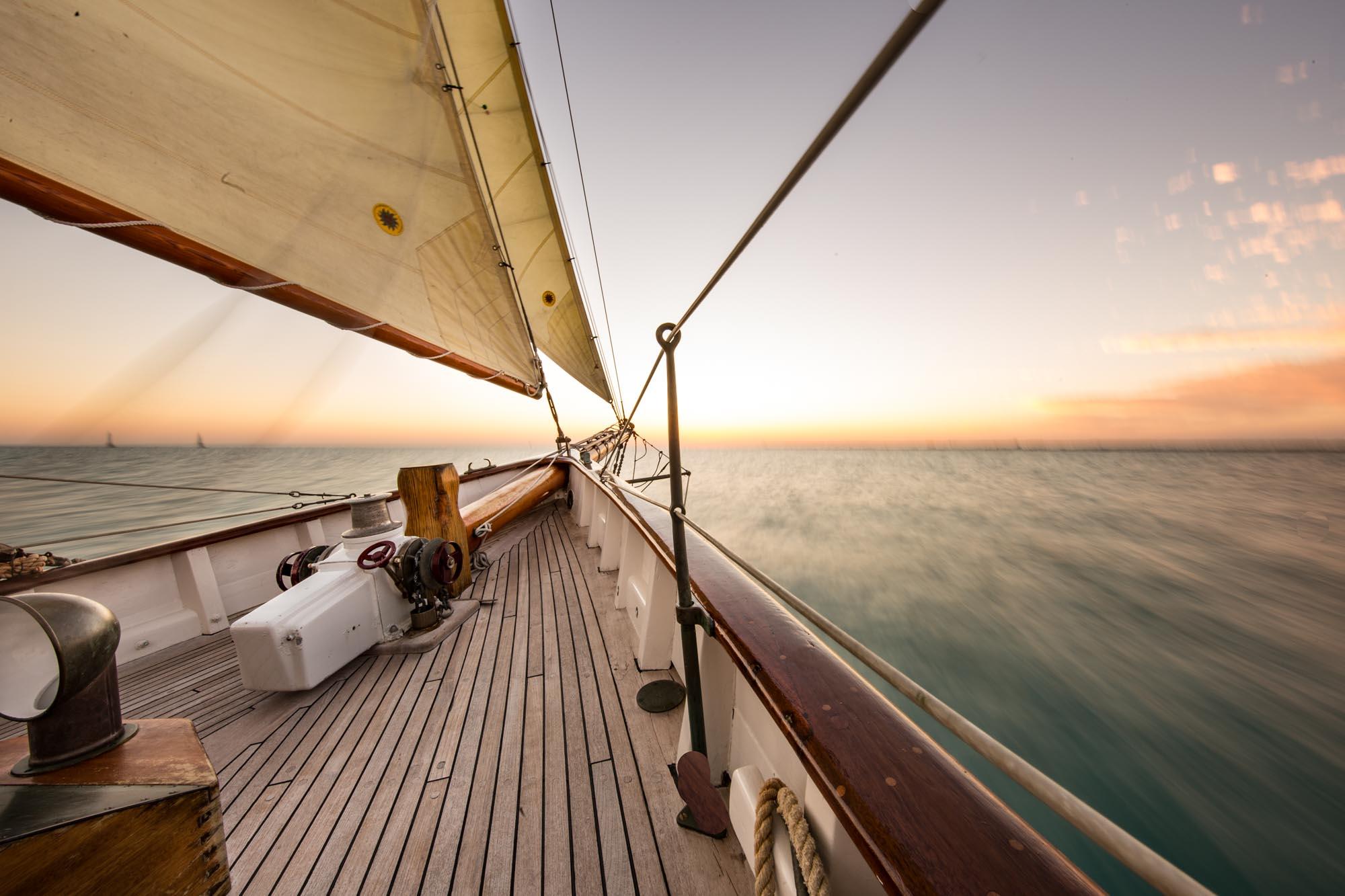
Salem is a coastal palimpsest—salt, timber, tar, and a steady wind that has carried fishing boats, packet ships, privateers, and pleasure craft to and from its harbor for centuries. Step aboard a sailboat here and you’re literally threading through layers of history: the narrow harbor and breakwater that shelter modern marinas were once the staging points for schooners bound for the Caribbean and beyond. The city’s compact waterfront makes Salem an unusually forgiving base for sailors. Within minutes of leaving the dock you can be under canvas in open water, working tide-swept channels, or tucked into quieter coves that are perfect for learning sail trim or watching seals and harbor birds through binoculars.
Sailing in Salem rewards curiosity: skippers with local knowledge stitch together routes that flip between sheltered inner-harbor work—where current and confined-space handling sharpen your boatmanship—and the broader geometry of Salem Sound. The sound itself is a broad arm of Atlantic water dotted with ledges and small islands; its shoals and channels respond predictably to the prevailing southwest sea breeze in summer, but they also shape microclimates of fog and glassy calm. You’ll find afternoon sea breezes that bring upwind legs alive for day sailors, and early morning ripples on mirror-flat water that are ideal for learning points of sail without traffic.
Beyond the technical pleasures, there’s a narrative element that elevates every outing. Lighthouses and granite breakwaters stand like punctuation marks along your course; the smell of diesel and fish from working harbors mixes with the sweeter scent of seaweed and summer grass on nearby marshes. Offshore, harbor porpoises and occasional minke whales make the crossing to feeding grounds; nearshore, seals loaf on ledges and terns wheel above bait schools that ripple the surface. For culturally curious sailors, Salem links a compact downtown of museums, historic yards, and maritime festivals to the water—so an afternoon sail can be followed by a museum visit or an evening at a waterfront tavern without losing the feeling that the sea is the organizing force.
Practically speaking, Salem suits a wide spectrum of sailors. Beginners find sheltered practice routes, certified sailing schools, and calm summer days; intermediates can log useful coastal miles and practice tide work in the Essex River or around Marblehead Neck; confident skippers can plan longer runs to Gloucester or overnight passages to Cape Ann islands. The concentrated marinas and charter operators make spontaneous trips accessible—book a two-hour harbor sail, a half-day coastal cruise, or a full-day wildlife and island-hopping expedition. In short: Salem is small enough to feel intimate and navigable, but geographically placed so every sail feels like it opens onto a larger slice of New England’s coastal character.
Tidal intelligence matters: currents funnel through narrow points and around ledges, so timing departures around tide windows rewards skippers with easier upwind work and safer passages.
Local charters and sailing schools provide a clear pathway from discovery sails to crewed experience and bareboat competency; many operators offer progressive lessons that build toward coastal navigation.
The harbor is the gateway, and the Pacific becomes the classroom.
Sailing here pairs naturally with birding, shore hikes on salt marshes, fishing trips, and waterfront dining—making it easy to stitch sea time into a richer coastal weekend.
Choose by purpose
Whale watching, snorkeling, sunset sailing, cultural canoeing, harbor sightseeing, or private chartering.
Start near the city
Waikiki and Honolulu Harbor are primary hubs, with some trips launching near Hanauma Bay.
Confirm the vessel
Gangways, shaded seating, and boarding requirements vary according to vessel size and operator.