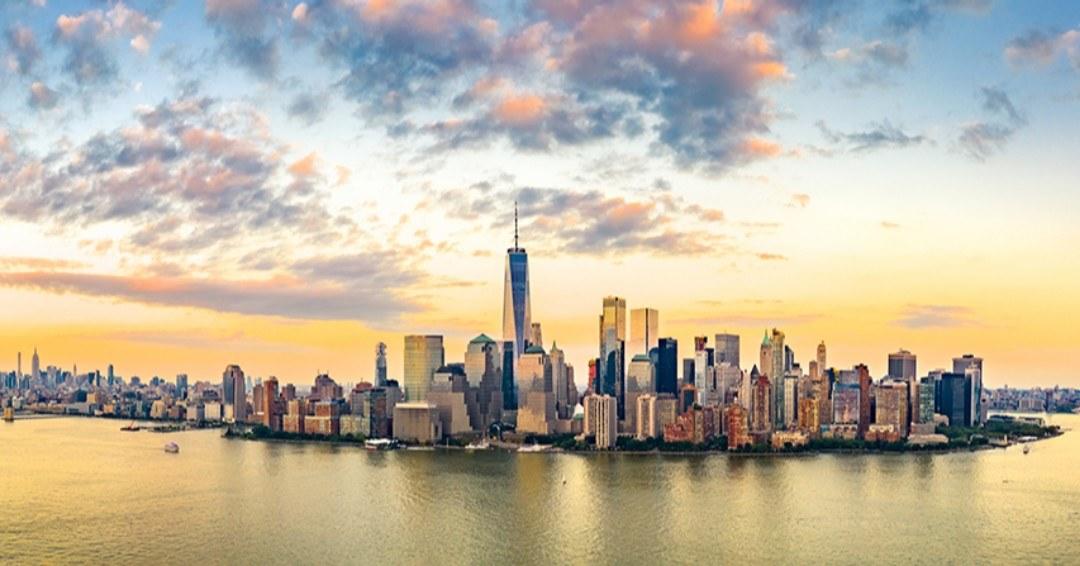
Roseland sits at the edge of a metropolitan tapestry where suburban calm meets the vertical drama of the Hudson Palisades and the low, rolling Watchung ridges. That juxtaposition—quiet communities a short drive from big-sky corridors—makes the area a practical launchpad for short scenic flights and tethered aerial experiences. Pilots and operators choose locations within and around Roseland because they can tap varied sightlines in one short route: wooded suburban canopies, open reservoirs and wetlands, the serrated skyline of Newark and Manhattan, and long river corridors that shape wind and thermal patterns. For travelers this means a diversity of airtime is possible within a half-day trip: sunrise ballooning in nearby open parks, midday helicopter hops that swing over skyline and estuary, and golden-hour small-plane circuits that flatten the region into a mosaic of roofs, rivers and ridgelines.
Practically, Roseland’s appeal for air activities is logistical as much as aesthetic. It’s close enough to regional airfields and smaller municipal strips to avoid the heavy traffic and security constraints of major international hubs, yet near enough to metropolitan centers to deliver dramatic contrasts — you can be over quiet hardwoods one moment and the glass-and-steel canyon of New York the next. That short transit time from ground to air is a blessing: weather windows in this part of New Jersey are often narrow, with mornings and late afternoons offering the most stable air. Operators commonly prefer early departures to catch calm winds and cooler temperatures, and many flights thread itineraries that emphasize low-altitude storytelling—historic towns, river meanders, and engineered landscapes like reservoirs and bridges—rather than high-altitude endurance.
Environmental and regulatory context matters here. The region is intersected by migratory bird routes and includes sensitive wetlands; reputable providers coordinate with local authorities and follow FAA guidelines to minimize disturbance. Noise considerations and local ordinances also shape typical flight paths and takeoff sites, so experiences are usually concentrated at designated airfields or permitted open spaces rather than ad-hoc neighborhood launches. For adventure travelers, the payoff is a selection of accessible, short-duration air experiences that pair well with complementary ground activities: a sunrise balloon plus a morning hike, a helicopter photo flight followed by a riverside kayak, or an afternoon small-plane tour capped with a dinner in a nearby historic town.
Short flights are the norm. Because Roseland is so close to urban centers and because of local flight restrictions, most air activities are scenic loops or point-to-point hops lasting 20–60 minutes rather than long cross-country legs.
Morning and evening windows matter. Thermals build on sunny days and can make midday flying choppy; operators typically schedule balloon and light-aircraft flights for calm periods at daybreak or dusk.
The harbor is the gateway, and the Pacific becomes the classroom.
The variety of aircraft is wide. Expect everything from tethered balloons and hot-air launches at community events to helicopter panoramas, fixed-wing sightseeing from nearby municipal fields, and specialized ultralight or glider experiences a little farther afield.
Choose by purpose
Whale watching, snorkeling, sunset sailing, cultural canoeing, harbor sightseeing, or private chartering.
Start near the city
Waikiki and Honolulu Harbor are primary hubs, with some trips launching near Hanauma Bay.
Confirm the vessel
Gangways, shaded seating, and boarding requirements vary according to vessel size and operator.