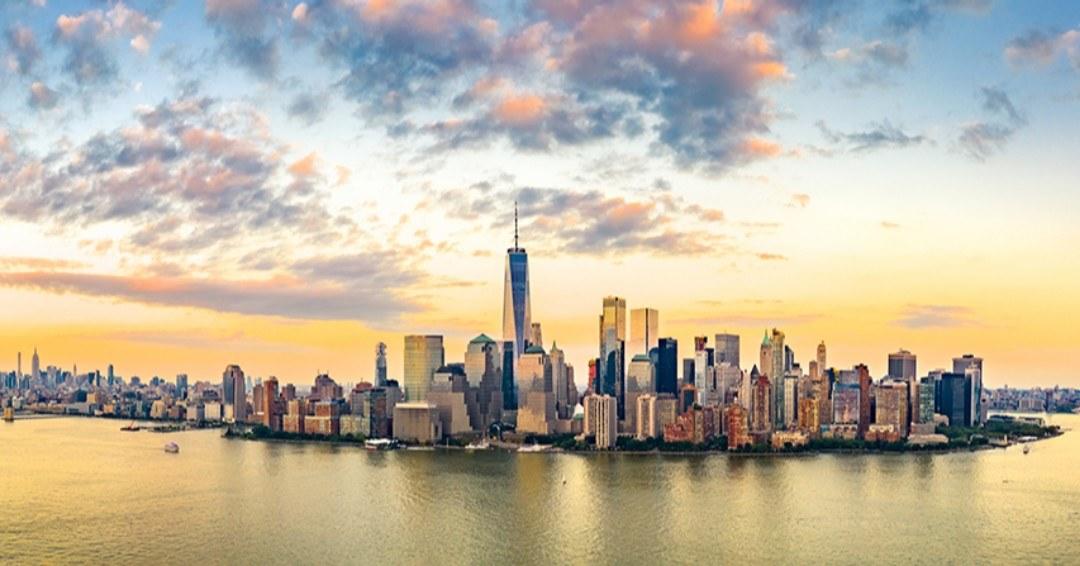
There’s a particular clarity to flying over Ringwood: modest elevation changes, a patchwork of forests and reservoirs, and proximity to both rural sky and urban skylines. For flyers and passengers alike, that means varied visual rewards on short flights—tree-studded ridges, estate gardens, and the long sweep of Greenwood Lake lie within view, giving short-duration trips a lot to show. The Ramapo uplands are not alpine, but their contours create predictable wind lines and thermal pockets that local pilots learn to read. That predictability is what attracts operators who focus on repeatable, scenic flights—balloons launching in still air at dawn, small fixed-wing sightseeing sorties that use nearby airstrips, and paragliding or powered-paragliding outings when conditions allow.
Beyond scenery, Ringwood acts as a low-friction access point for air experiences because it’s near a ring of small airports and training fields across northern New Jersey and southern New York. You don’t need to be a pilot to participate; tandem and introductory flights are the norm for recreational air activities in this region, allowing a broad range of travelers to sample the experience safely under the supervision of certified instructors and FAA-regulated operators. The landscape itself encourages a learning-first culture: gentle launch slopes, benign landing clearings, and short transfer distances from parking to meeting points. That said, the same proximity to metropolitan corridors means operators work within tighter regulatory and noise constraints than in remote western ranges—planning, permission, and local goodwill are part of the picture. Air activities here are best understood as curated, small-group adventures that pair well with forest walks, lake paddles, or a night at a nearby inn—each flight feels like a highlight rather than a lengthy expedition.
Seasonality shapes the experience more than geography. Spring and fall offer the most stable mornings for balloons and calm conditions for paragliders, while summer thermals increase opportunities for longer soaring but also the likelihood of afternoon turbulence and cancellations. Winter’s crisp skies can be phenomenally clear for aerial photography, but short daylight hours and cold ground handling make balloon operations less common.
Environmental stewardship is part of the local flying culture. Many launch and landing zones sit near state-managed lands and private estates; pilots routinely coordinate with land managers, and operators emphasize low-impact procedures—minimal noise on approach, careful recovery of equipment, and adherence to posted access rules. Respect for wildlife and seasonal restrictions (nesting birds, hunting seasons) is standard practice.
Choose by purpose
Whale watching, snorkeling, sunset sailing, cultural canoeing, harbor sightseeing, or private chartering.
Start near the city
Waikiki and Honolulu Harbor are primary hubs, with some trips launching near Hanauma Bay.
Confirm the vessel
Gangways, shaded seating, and boarding requirements vary according to vessel size and operator.