Water Activities in Reddick, Florida
Reddick Water Activities Guide

Water Activities in Reddick, Florida

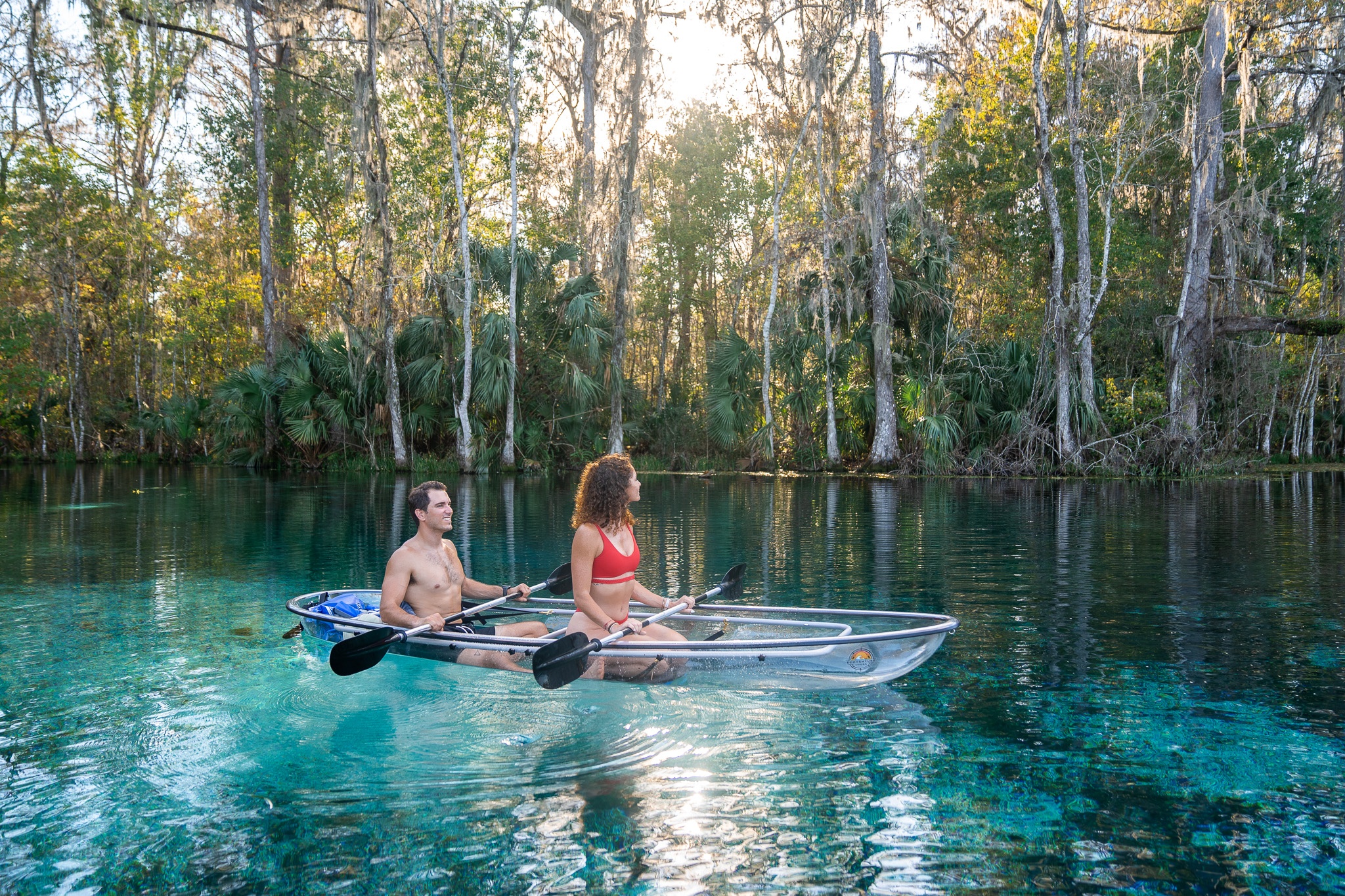
Reddick is a little-known corner of North Central Florida where slow-moving rivers, spring-fed creeks, and glassy farm ponds create a surprisingly rich palette of water-based adventures. Here the water is intimate—shallow channels threading through hammock forests, sudden emerald springs perfect for a cool plunge, and wide, lazy stretches of river that invite flatwater paddling, tubing, and afternoon fishing. The pace is unhurried; the rewards are wildlife sightings, clear water, and a sense of space that’s increasingly rare closer to the coasts.

North Central FloridaSpring-fed waterwaysQuiet river corridors

Live destination inventory

Top Water Activities Trips in Reddick

37 trips · Book with confidence · Instant confirmation

The prototype intentionally does not invent replacement trip cards or add images that are not already part of the live source page.

The city from the water

Why Reddick Is Worthwile for Water Activities

Reddick sits within the quiet, often-overlooked mosaic of North Central Florida waterways where spring runs, marshy floodplains, and tree-lined creeks converge. For travelers seeking water experiences that feel private and elemental—paddling beneath live oaks, slipping into a buoyant spring pool, or drifting downstream on a long, lazy float—Reddick delivers a stripped-down version of Florida aquatic life without the crowds. The region’s hydrology is defined by limestone, springs, and shallow river gradients: water clarity can be excellent where springs feed a channel, and the slow current invites relaxed paddling, fishing, and wildlife watching. Expect a seasonal rhythm—higher flows in late winter and spring after rains, warmer, lower water in mid-summer, and cooler, clearer conditions when groundwater dominates surface flow. Beyond the immediate pleasures of being on the water, Reddick’s waterways are compact classrooms for understanding Florida’s ecological processes. Tidal influences are absent here; instead you’ll find a mixture of freshwater vegetation, submerged aquatic plants, and forested banks that support wading birds, turtles, and the occasional riverine mammal. The human history is quietly present too: old homestead launch sites, small county boat ramps, and rural roads that become access routes for paddlers and anglers. For travelers, this translates to a menu of approachable experiences—short guided paddles and rental-friendly flatwater routes for beginners, multi-hour river runs and spring loops for intermediate paddlers, and technical spring dives or long-distance fishing trips for specialists—with the added benefit that many access points are a short drive from one another, making it easy to mix activities across a single day.

Water types are varied: spring pools offer clear snorkeling and swimming; creeks and runs provide sheltered paddling; larger impoundments and oxbow lakes support angling and birding.

Wildlife encounters are frequent and often intimate—waders at dawn, turtles sunning on logs, and kingfishers darting along the banks—so go slow and keep camera gear handy.

The harbor is the gateway, and the Pacific becomes the classroom.

Conditions swing with seasons and recent rainfall—expect higher flows and tannin-dark water after storms; clear, cool springs are most striking in late winter and spring.

Activity focus

Choose by purpose

Whale watching, snorkeling, sunset sailing, cultural canoeing, harbor sightseeing, or private chartering.

Departure hubs

Start near the city

Waikiki and Honolulu Harbor are primary hubs, with some trips launching near Hanauma Bay.

Accessibility

Confirm the vessel

Gangways, shaded seating, and boarding requirements vary according to vessel size and operator.
Seasonal planning

Best Time to Visit

Reddick is warm year-round, but wind, swell, migration, visibility, and demand change the best match between traveler and trip.

Reddick boat tour
Year-round destination

Seasonal highlights change the reason to go

Winter favors humpback encounters; warmer, calmer months favor snorkeling visibility and smoother water.

Humpback season

Late spring through early summer for swimming and clear-spring visibility; weekends can get busier at popular spring sites.

Prime whale watching, winter holidays, higher demand, and earlier sell-outs.

Snorkeling window

March–April–May–September–October

Typically gentler seas and clearer water for snorkeling trips.

Weather notes

Trade winds year-round

Spring and early fall combine comfortable air temperatures with good water clarity; summer is warm and ideal for swimming but brings afternoon thunderstorms and lower flows in some channels. Winter is mild by northern standards and can still produce excellent paddling conditions on calm days.

Quieter opportunities

Late spring & summer weekdays

Winter and early spring weekdays offer solitude and migratory birding; lower flows can reveal interesting shoals and channels for exploration.

Match the trip to your comfort

Choose Your Experience Level

Low effort

Beginner

Calm flatwater paddles on sheltered creeks, short guided floats, and supervised spring swims—low technical demand, short distances.

  • Half-day flatwater paddle
  • Gentle river loop with multiple launch options
  • Supervised spring swimming session
Active day trip

Intermediate

Longer paddles with variable currents, multi-launch river runs, fishing from a canoe or kayak, and exploring spring-fed side channels—requires route planning and basic water skills.

  • Multi-mile river run with shuttle
  • Spring loop with snorkeling stops
  • Paddle-and-fish daytrip
Longer or technical

Advanced

Technical spring dives, longer expedition paddles requiring shuttle logistics, or fishing trips targeting specific species—expect self-reliance, advanced skills, and specialized gear.

  • Technical spring or cavern dive (certified only)
  • Overnight river expedition with camping
  • Targeted angling trips requiring local knowledge

Prepare for sun, spray, and swell

What to Bring

Essential

Core kit

  • Personal flotation device (PFD) appropriate for your activity
  • Waterproof map or GPS and a charged phone in a dry bag
  • Sun protection: hat, sunscreen, and UV clothing
  • Insect repellent for evenings and marshy launches
  • Plenty of drinking water and snack calories
Recommended

Useful extras

  • Light paddle or fishing gloves and quick-dry clothing
  • Water shoes for slippery ramps and spring edges
  • Small first-aid kit and whistle for signaling
  • Dry bags for electronics and spare clothes
  • Binoculars for birding from shore or a boat
Optional

Trip-specific

  • Snorkel mask for spring pools and clear runs
  • Compact anchor or tether line for fishing or swimming stops
  • Lightweight camp chair or blanket for riverside breaks
Check local water levels, weather forecasts, and access conditions before you go. Cell service can be spotty; carry a map and tell someone your plan.

Insider Tips & Local Knowledge

Reserve whale-watching and popular sunset cruises well ahead during December–April.
Choose morning snorkeling departures for calmer seas and better underwater visibility.
For motion sensitivity, choose a larger vessel, sit mid-ship, and take preventative medication before boarding.
Do not touch coral or wildlife, avoid standing on reefs, and use reef-safe sunscreen.
Community-based operators may add context about traditional navigation and stewardship.
Arrive early for parking and check-in because Waikiki departure areas can be busy.

Planning questions

Frequently Asked Questions

Most informal launches and small public sites do not require permits; specialty activities like guided cave diving or organized events may require reservations—verify with local outfitters or county resources when in doubt.
Water Activities in Reddick, Florida
Ready for your water activities adventure?

Browse 37 verified trips in Reddick.

Compare current availability and book with instant confirmation.

Explore Reddick water activities