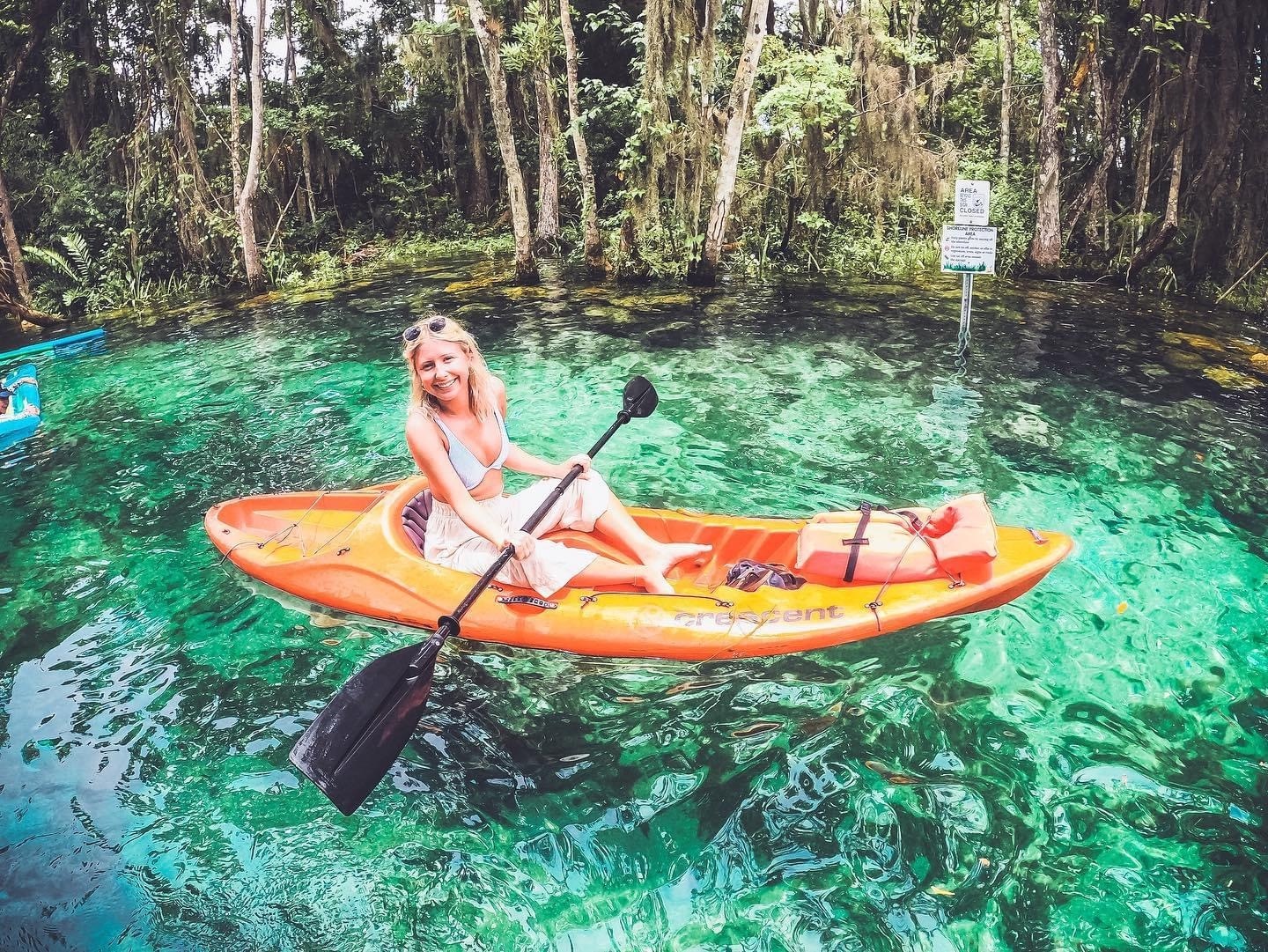
Dolphin Experiences Near Reddick, Florida

Reddick, Florida

Reddick sits inland but functions as a quiet gateway to Florida’s estuaries and coastal waters—the places where bottlenose dolphins carve arcs through low winter light and where playful pods ride the wakes of charter skiffs. This guide focuses on dolphin-centered outings accessible from Reddick: shore-based viewing at tidal creeks, guided wildlife boat tours from nearby Gulf and Atlantic launch points, kayak and stand-up paddleboard approaches in sheltered estuaries, and responsible wildlife-watching practices that keep animals wild. Expect calm, sensory-rich outings—dewy mornings, brackish smells at the waterline, and the sudden thrill of a dorsal fin cutting glassy water. Practical planning, seasonal awareness, and respect for protected waterways are as essential as a charged camera and reef-safe sunscreen.

9
Activities
Year-Round with seasonal peaks
Best Months

Top Dolphin Trips in Reddick

9 trips • Book with confidence • Instant confirmation

Why Dolphin Watching Is a Distinctive Reddick-Area Experience

The idea of dolphin watching from Reddick might surprise a traveler at first—this is not a seaside hamlet with a marina on every corner. But Reddick’s inland location is part of what makes its dolphin experiences distinctive: it places you at the intersection of human quiet and natural edge habitats. From this low-key base you can reach estuarine mouths, tidal creeks, and nearby Gulf and Atlantic launch points within a day, which means the experience is equal parts short expedition and deep-focus nature watching. In these transitional waters—where freshwater meets salt—Atlantic bottlenose dolphins frequently hunt, socialize, and, depending on the season, travel in larger aggregations. The habitats you approach from Reddick are mosaics: oyster bars, mangrove fringes, seagrass beds, and sandbars. Each of these supports prey species that shape dolphin behavior; a shallow sandbar in late afternoon can be a theatrical feeding ground, while a deep channel at dawn often reveals traveling pods moving with intent.

Beyond behavior, the Reddick-adjacent dolphin scene is defined by access and atmosphere. Launch points near Cedar Key, Crystal River, or along the east coast open different types of outings: slow, low-disturbance kayak trips for intimate close-quarters viewing; shallow-draft skiff tours that let you follow playful groups without pushing into open ocean; and larger charter vessels that offer stability and a wider search radius. For many visitors, the ideal outing balances patience with curiosity—the quiet watches from a paddleboard or shoreline at dawn can be as rewarding as a guided boat tour that locates several pods in a morning. Ecotourism operators in the region emphasize ethical distance and non-interference, a necessary approach in Florida where coastal development, boat traffic, and fishing can create stressful conditions for marine mammals.

There’s also a conservation story woven into every dolphin encounter. In these waters dolphins face habitat shifts, water-quality challenges, and the pressures of human recreation. Good outings double as learning moments: naturalists will often point to seagrass declines, algal-bloom impacts, and the importance of protected inlets. For travelers, this means that dolphin experiences near Reddick easily pair with conservation-minded activities—volunteer shoreline cleanups, guided educational cruises, and visits to local marine research centers. Finally, seasonality matters. Dolphins are present year-round, but their behavior, group size, and preferred habitats shift with water temperature, prey availability, and weather patterns. Planning with local operators, watching tide charts, and choosing the right craft for the habitat you want to explore will turn a hopeful sighting into an immersive, nuanced encounter.

The region’s estuaries and inlets support repetitive and predictable dolphin foraging and travel routes—great for repeatable viewing opportunities.

Different launch points yield different moods: Gulf outings can be slow and wide; Atlantic trips often include surf-zone activity and larger traveling pods.

Responsible local operators emphasize distance, low-impact approaches, and education—look for guides who prioritize animal welfare and local conservation.

Activity focus: Dolphin observation & ethical marine wildlife watching
Primary species commonly observed: Atlantic bottlenose dolphin
Experience types: Shore viewing, kayak/SUP, small skiff ecotours, larger charter trips
Number of curated dolphin-focused outings from the area: 9
Best approach: Choose craft and time by habitat—kayaks for creeks, skiffs for estuaries, charters for wider search areas

Best Time to Visit

Best Months

MarchAprilMayJuneJulyAugustSeptemberOctober

Weather Notes

Florida’s mild winters mean dolphins are locally present year-round, but spring through fall brings warmer waters, higher prey activity, and increased sightings. Summer afternoons can be hot with brief thunderstorms; mornings are typically calmer for small-craft outings.

Peak Season

Late spring through early fall—when water temperatures rise and dolphin activity increases in estuaries and nearshore waters.

Off-Season Opportunities

Winter months offer quieter launch points and sometimes clearer visibility; shore-based viewing and river-edge watches can still be productive.

Frequently Asked Questions

Can I swim with dolphins near Reddick?

Swimming with wild dolphins is discouraged and often illegal in many Florida waters. Legal, ethical interactions are those where animals choose the encounter and operators maintain appropriate distance. Avoid entering the water to seek or chase dolphins.

Do I need a permit for kayak or shoreline viewing?

Most public launch points and shorelines do not require a special permit for personal kayaks or shore viewing, but certain wildlife refuges or state lands may have rules—verify local access regulations before launching.

How close can boats get to dolphins?

Regulations and best practices encourage maintaining distance and avoiding cutting off travel routes. Commercial operators typically follow state guidelines and voluntary codes of conduct; ask your guide about their approach policy.

Choose Your Experience Level

Beginner

Low-effort, high-reward outings accessible from Reddick: shoreline watches at tidal creeks, observation from public piers, and guided boat tours that provide stability and interpretation.

  • Sunrise shore watch at a tidal creek mouth
  • Half-day guided skiff tour in a sheltered estuary
  • Binocular watching from a public pier

Intermediate

Requires basic paddling or comfort on small boats; better for intimate, low-impact viewing and closer encounters while maintaining ethical distance.

  • Guided kayak or SUP eco-tour in a mangrove-lined inlet
  • Small-group gulf-side wildlife cruise
  • Tide-focused estuary foraging-watch combined with birding

Advanced

For experienced paddlers, photographers, or those joining research-oriented outings—these trips may cover longer distances, require rougher-water proficiency, or involve participation in citizen-science surveys.

  • Open-water charter to follow transient pods
  • Multi-hour ocean photography trip with an experienced captain
  • Volunteer dolphin survey with a marine research group

Insider Tips & Local Knowledge

Prioritize ethical viewing: quiet observation, no baiting, and follow operator guidance.

Start early for glassy water and the best light for spotting dorsal fins. Check tides—many dolphins use tidal flows to hunt and feed, so timing a trip around incoming or outgoing tide increases chances of action. Opt for smaller groups or operators that limit vessel numbers to reduce disturbance. If you're paddling, keep a respectful distance and avoid sudden approaches; let dolphins come to you. Carry a simple waterproof ID for the local waterway, and if you see signs of distress (entanglement, unusual behavior), note location and report to local marine authorities. Finally, layer for sun and sudden showers, and choose reef-safe sunscreen to keep waterways healthy.

What to Bring

Essential

  • Waterproof camera or phone in dry bag
  • Charged mobile phone and portable battery
  • Light windbreaker and quick-dry layers
  • Reusable water bottle and sun protection (hat, sunglasses)
  • Personal flotation device (PFD) for kayak/SUP outings

Recommended

  • Binoculars for distant sightings
  • Reef-safe sunscreen and insect repellent
  • Small dry bag for keys, wallet, and electronics
  • Tide chart or app and a basic tide knowledge
  • Sea-sickness remedy if prone to motion sickness

Optional

  • Polarized sunglasses to reduce surface glare
  • Waterproof field journal or pocket guide to local marine life
  • Light snacks for half-day trips

Ready for Your Dolphin Adventure?

Browse 9 verified trips in Reddick with instant booking

Explore Top 15 Reddick, Florida Adventures →