Reddick asks you to slow down. The town’s scale—more porches and picket fences than skyscrapers—means a city tour here feels less like a checklist and more like a conversation. On a walking route you’ll move at the pace the place was built for: the gentle cadence of storefront signs, the scrape of a freight train in the distance, the hush of pines beyond the last block. The architecture is modest but honest—wood-frame churches, a few brick façades, a former depot that anchors local memory—and the public life you encounter is shaped by agriculture, outdoor recreation, and a community that still values face-to-face exchange. For travelers used to curated urban itineraries, Reddick’s tours are a reminder that “city” can mean small-lot farms, civic halls, and local markets as much as museums and galleries.
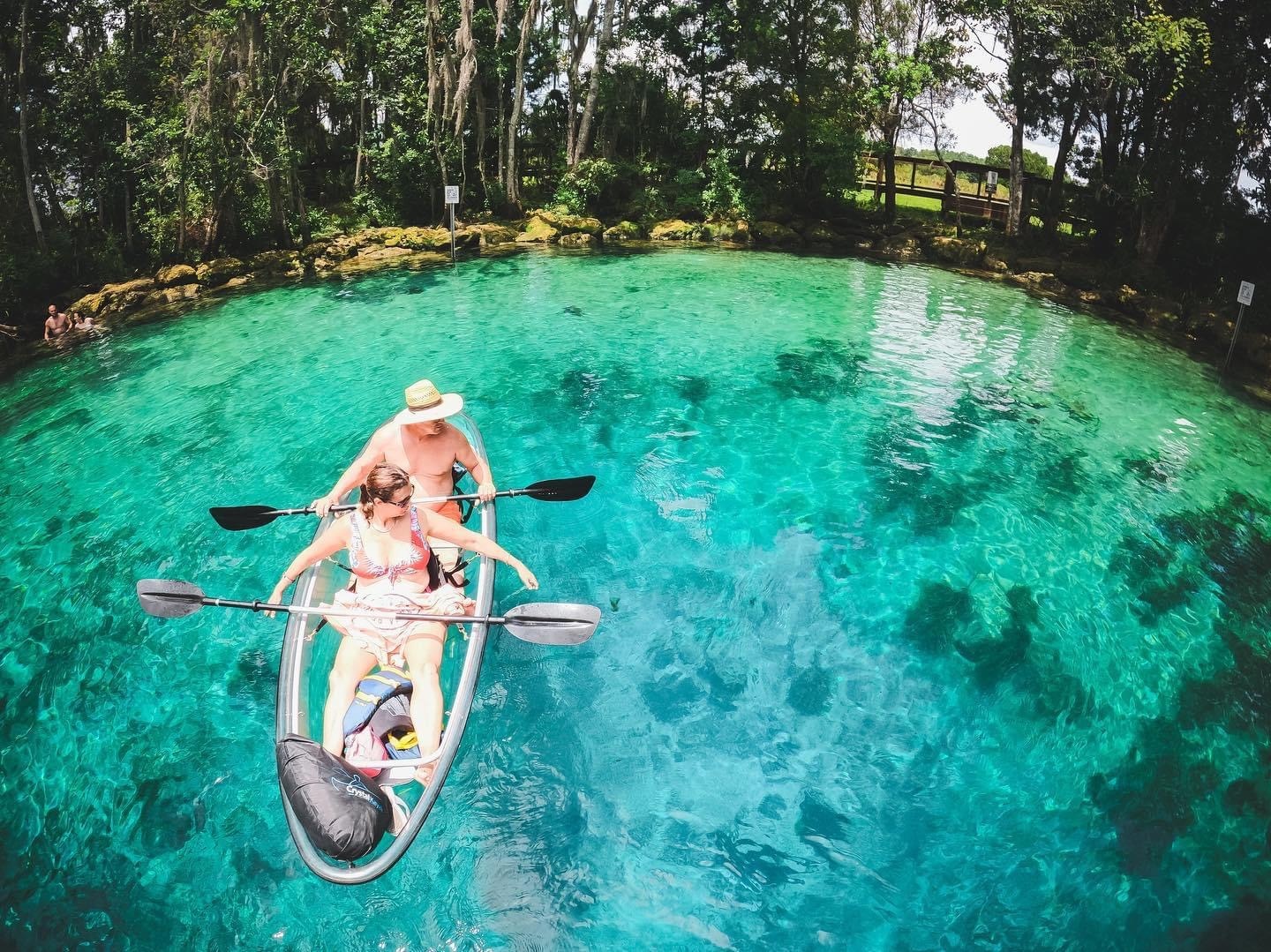
Seasonality shapes the experience here in specific ways. Fall through spring brings mild temperatures and the kind of clear light that flatters porches and long roads; winter mornings can be cool enough for a long guided walk before the low sun wakes the day. Summer has a different flavor: humidity and the midday thunderstorm rhythm push tours into early morning or later afternoon, and the landscape smells of pine resin and cut hay. Rain can make unpaved shoulders muddy but also intensify the greenness of hedgerows, the drama of cloudbanks, and the chirrup of birds in the swamp edges. For photographers and naturalists, the edges of town—where paved streets meet dirt lanes—are as interesting as the center. Those edges lead quickly to Ocala National Forest and a scattering of springs and creeks; a city tour that pairs a historic walk with a short paddle or a bike loop through the countryside gives a fuller picture of how this place works: a nexus of small-town life and accessible outdoor landscapes.
Practical touring in Reddick is straightforward but rewards a little preparation. Sidewalks can be intermittent, so comfortable shoes and a readiness to walk on low-traffic shoulders help; a daypack with sun protection and water is essential in warm months. Local guides and community-led walks tend to emphasize storytelling—railroad lore, farming histories, and oral recollections—so bring curiosity and ask questions. Finally, Reddick’s charm is in the details: stop for a coffee at a local shop, check the bulletin board at the community center for pop-up markets or farm tours, and leave time to drift down a shady lane where a painted mailbox or a weathered sign will tell you more about the place than a guidebook ever could.
Tours in Reddick are intimate: expect small-group guided walks, self-guided routes you can follow from a printed map or smartphone, and bicycle loops that trade heavy traffic for pastoral scenery.
Complementary outdoor activities—paddling small rivers and springs, birding at forest edges, and easy bike rides—pair well with a city tour and broaden the sense of place from built environment to working landscape.
Choose by purpose
Whale watching, snorkeling, sunset sailing, cultural canoeing, harbor sightseeing, or private chartering.
Start near the city
Waikiki and Honolulu Harbor are primary hubs, with some trips launching near Hanauma Bay.
Confirm the vessel
Gangways, shaded seating, and boarding requirements vary according to vessel size and operator.