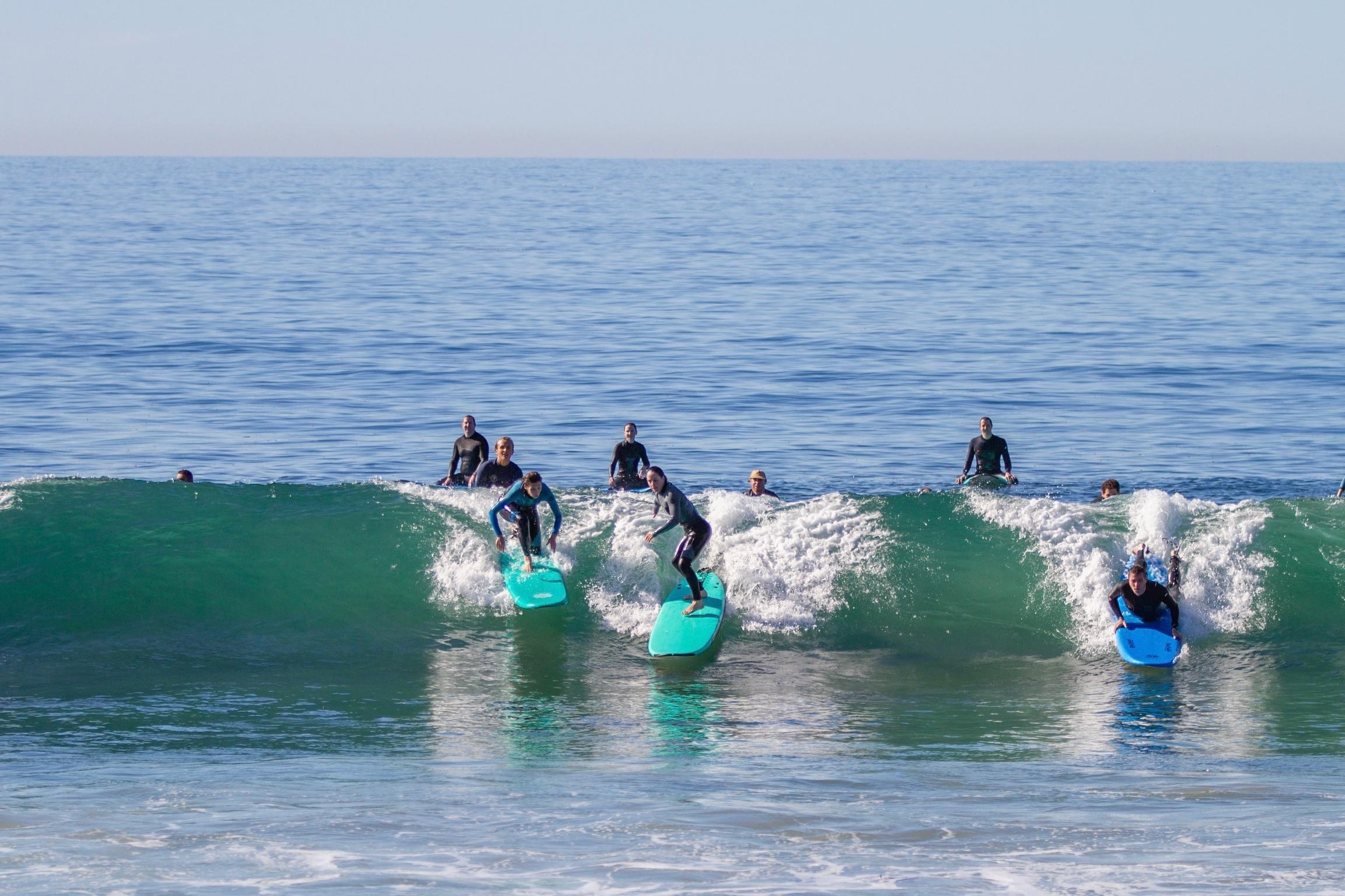
Why Rancho Santa Margarita Is a Practical Base for Surfing Southern California
Rancho Santa Margarita is not a beach town, and that’s precisely its allure for surfers who want access without the constant sand-in-your-gear life. Tucked into the rolling foothills of southeast Orange County, Rancho Santa Margarita puts you within a short drive of a broad palette of California breaks — from the long, creamy shoulders of Doheny and Salt Creek to the steep, technical peaks at Trestles and San Onofre’s revered rights. For an adventure-minded traveler, this inland-to-coast dynamic becomes a daily decision: chase the morning south swell at San Clemente, spend the afternoon refining turns on a forgiving beach break, and finish with a trail run or sunset paddle along Dana Point harbor.
The region’s surf variety is driven by geography and swell exposure. South- and southwest-facing coves pick up Pacific groundswell from winter storms, producing bigger, more powerful rides from late fall through early spring. Southern hemi swells and local summer wind patterns create cleaner, more manageable conditions in late summer and early fall—these months are often the best for learners and longboarders. Tides and local bathymetry matter here: some spots that fire on a mid-to-high tide turn sluggish at low, while reef points sharpen into hollow, fast waves on an incoming. The short drives from Rancho Santa Margarita mean you can shop conditions by the hour; local surf apps and beach webcams make it routine to pivot from one break to another.
Beyond wave physics, there’s a culture to understand. Orange County has a proud surf lineage: board shapers, surf schools, and longtime local crews. Respect the lineups, follow etiquette, and consider peak-hour alternatives to avoid friction. For visitors, that might mean early morning sessions, paddling out at lesser-known beach breaks, or booking lessons at family-friendly beaches where instructors manage crowded lineups. The infrastructure is supportive—rack systems, board rentals, and surf shops are plentiful along the coast, and many coastal towns offer tidepool trails, kayak and paddleboard rentals, and charter boats for whale and dolphin tours.
For planning, factor in seasonal crowd patterns and wind windows. Summer mornings often provide glassy conditions before onshore sea breezes pick up; fall tends to bring smaller, cleaner swell with fewer crowded lineups. Winter delivers the biggest swells and the steepest learning curves but also the most spectacular surf days. From Rancho Santa Margarita the driving times are short enough to make surf an all-day, flexible pursuit: sunrise sessions, beachside lunch, an afternoon lesson, then a coastal hike at sunset. That combination—proximity, variety, and easy logistics—is why Rancho Santa Margarita functions as a quietly strategic surf base for both new surfers and seasoned wave riders.
The variety of breaks within a 30–45 minute drive turns surf-planning into tactical fun: switch spots based on swell direction, tide, and wind rather than committing to a single beach.
Local surf schools and rental shops make day-of decisions easy—book a lesson, borrow a board, or grab a wetsuit without committing to carrying gear from inland.
The harbor is the gateway, and the Pacific becomes the classroom.
Combine surf days with coastal experiences: tidepooling at Crystal Cove, a harbor paddle in Dana Point, or a marine-wildlife cruise to add diversity to your trip.
Choose by purpose
Whale watching, snorkeling, sunset sailing, cultural canoeing, harbor sightseeing, or private chartering.
Start near the city
Waikiki and Honolulu Harbor are primary hubs, with some trips launching near Hanauma Bay.
Confirm the vessel
Gangways, shaded seating, and boarding requirements vary according to vessel size and operator.