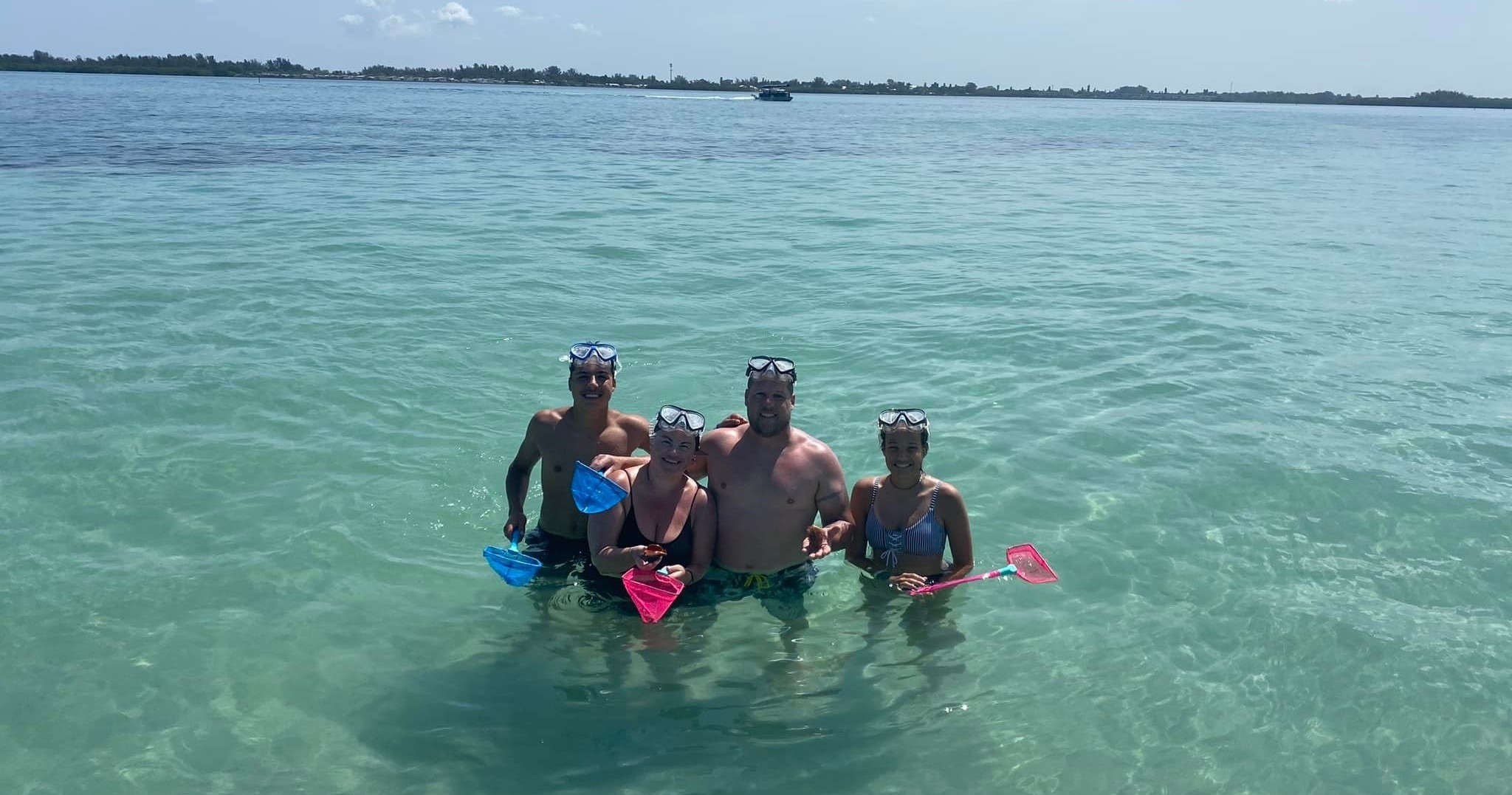
Top 14 Snorkel Adventures in Punta Gorda, Florida
Punta Gorda is less about dramatic coral gardens and more about an intimate, coastal snorkeling experience shaped by mangrove estuaries, shallow seagrass flats, and protected passes. From calm morning floats over clear flats to short boat runs out to pockets of hard-bottom habitat near barrier islands, snorkeling here emphasizes wildlife encounters — juvenile fish, rays, curious crustaceans and, if luck allows, slow-moving manatees. This guide focuses on where to slip a mask and fins in and around Charlotte Harbor, how to read tides and wind for the best visibility, and practical options for shore-based and boat-access snorkel trips.
Top Snorkel Trips in Punta Gorda
14 trips • Book with confidence • Instant confirmation
Why Punta Gorda Is a Standout Snorkel Destination
Punta Gorda’s snorkeling appeal isn’t built on dramatic coral walls or deep reef drift runs; it rests in shallow, richly productive coastal waters where subtropical life thrives close to shore. The town sits at the mouth of Charlotte Harbor, a mosaic of estuaries, mangrove fringes, and sand flats that funnel clear tides through Pine Island Sound and nearby passes. These transitional habitats — where freshwater mixes with Gulf salt — support juvenile fish nurseries, abundant crustaceans, scattered hard-bottom outcrops and manatee foraging zones. For travelers who prize close wildlife encounters and relaxed water conditions, Punta Gorda offers a kind of snorkeling that rewards patience and local knowledge: slow observation of underfoot life, quick swims to small ledges or oyster bars, and easily accessible shoreline entry points.
The geographic character of the area shapes what you see and how you snorkel. Instead of expansive coral gardens you’ll often find seagrass meadows punctuated by shell beds, limestone ledges, and the occasional rock or wreck that harbors cleaner shrimp, juvenile grouper, and territorial angelfish. Low-profile visits—early morning floats from a sandbar, kayak shuttles into protected bays, or short charter runs to nearby barrier islands—are the norm. The quieter vibe means more focus on technique: reading wind and tide, timing visits to low turbidity windows, and favoring shallow, sunlit flats where fish concentrate. Conservation-minded snorkelers also appreciate Punta Gorda’s emphasis on soft-impact recreation. Mangrove shorelines are fragility itself; paddling and shore entry allow minimal disturbance compared with larger, high-traffic reef systems.
Punta Gorda’s best snorkel opportunities are often combined with other water-based pastimes: a morning kayak that doubles as a snorkel access point, a charter that mixes nearshore snorkeling with shelling or scalloping (seasonal), or an eco-trip that pairs manatee watches with short snorkel stops. Seasonal shifts matter here—calmer, warmer months reduce runoff and boost visibility, while winter can bring cooler, clearer water and quieter waterways. Local operators provide the key advantage: they know which flats clear out with a change in wind, which mangrove cuts hold fish when the sun is high, and which passes are worth a short run for deeper, harder substrate. For travelers seeking approachable marine exploration with practical logistics and high return on time spent in the water, Punta Gorda presents an inviting, understated alternative to Florida’s more famous reef destinations.
Variety lives in the margins—mangrove roots, oyster bars and seagrass beds host life that’s often overlooked by fast boat tours. In Punta Gorda those margins are accessible, so you’re more likely to spot juvenile species, foraging rays and hermit crabs within arm’s reach.
Calm, protected waters make Punta Gorda a good choice for families and less confident swimmers. Early mornings are usually the most glassy and clear; afternoons can build wind-driven chop that reduces visibility.
Complementary activities like kayaking, paddleboarding, and eco-boat tours are common pairings with snorkeling here. Many operators combine short snorkel stops with birding, shelling or manatee-friendly viewing, turning a single day on the water into a multi-focus nature outing.
Best Time to Visit
Best Months
Weather Notes
Spring through early fall tends to bring warmer water and calmer seas, improving visibility. Afternoon breeze and thunderstorms become more common in summer; winter brings cooler water and fewer visitors. Always check local wind and tide forecasts—the latter strongly affects clarity in shallow systems.
Peak Season
Late spring through summer for warmer water and the most operators running charters.
Off-Season Opportunities
Winter and early spring can offer quieter waterways and excellent wildlife-viewing, though water will be cooler and some operators may scale back services.
Frequently Asked Questions
Do I need a boat to snorkel near Punta Gorda?
Not always. There are shoreline entries and kayak-accessible flats for shallow snorkels, but the most diverse pockets of hard-bottom and wreck sites typically require a short boat ride to reach.
Are guided snorkel trips available?
Yes. Local charters and eco-operators run guided snorkel outings that combine navigation, wildlife spotting, and safety oversight—useful if you’re unfamiliar with tides, passes, or local protected areas.
Is snorkeling safe around manatees and other large animals?
Manatees are protected and generally docile, but give them space. Avoid touching, feeding or chasing wildlife, and follow operator guidance if manatees or other large animals are present.
Choose Your Experience Level
Beginner
Calm, shallow flats and protected nearshore spots ideal for first-time snorkelers and families.
- Shore-entry snorkeling from protected sandbars and shallow bays
- Guided family-friendly boat stops with short, supervised swims
- Kayak-to-shore snorkeling in calm channels
Intermediate
Longer swims, kayak-assisted access to isolated flats, and guided boat trips to small hard-bottom outcrops.
- Half-day charters to nearby barrier island flats
- Kayak-plus-snorkel combinations that require route-finding
- Snorkel-and-shelling eco-trips
Advanced
Boat-accessed sites in deeper passes, timed dives at higher currents, and exploration of wrecks or harder substrate that require comfort in open water and tide management skills.
- Short runs to passes or deeper hard-bottom areas at slack tide
- Drift-style snorkels near channel cuts with current management
- Multi-stop charters combining snorkeling with offshore scouting
Insider Tips & Local Knowledge
Always check local conditions—wind, tidal movement, and any red tide advisories—before heading out. Respect protected areas and marine wildlife.
Aim for early mornings for the calmest water and best visibility. If you’re launching from shore, use a kayak or small skiff to reach clearer water without disturbing the shallow flats. Speak with local charter operators: a short conversation can save a trip by identifying which flats have cleared after recent rain and which passes are currently fishy. Use reef-safe sunscreen and avoid standing on seagrass beds or mangrove roots; these habitats are critical nurseries. Pack a thin wetskin or long-sleeve rash guard—even on warm days the water can feel cool and prolonged exposure increases sun risk. Finally, plan your trip around tides: in this region low slack or incoming tides often yield the best visibility in shallow areas, while outgoing tides can stir particulate matter. When in doubt, hire a guided half-day snorkel to get oriented; local guides know subtle currents and the small pockets of habitat that make Punta Gorda snorkeling memorable.
What to Bring
Essential
- Snorkel mask and snorkel with defog solution
- Fins sized for comfort (short blade fins work well for shallow flats)
- Rash guard or lightweight wetskin for sun protection and warmth
- Reef-safe sunscreen and a sun hat for boat or shore downtime
- Waterproof bag for keys, phone, and a small first-aid kit
Recommended
- Mask strap cover or backup mask
- Thin reef shoes for rocky or shell-strewn entries
- Waterproof camera or small action camera with float strap
- Local tide and wind app or chart to time low-turbidity windows
- Snorkel vest for added buoyancy if you plan longer floats
Optional
- Small mesh bag for shells (check local regulations before collecting)
- Compact dry bag for lunch and personal items on a boat trip
- Binoculars for pre- or post-snorkel birding from shore
Ready for Your Snorkel Adventure?
Browse 14 verified trips in Punta Gorda with instant booking
Explore Top 15 Punta Gorda, Florida Adventures →