Sailing in Princeton, New Jersey
Princeton Sailing Guide

Sailing in Princeton, New Jersey

Princeton’s sailing story is intimate and practical: sheltered inland waters for learning and weekend daysails, river channels that teach you about current and tide, and the Jersey coast a short drive away when you want more wind and salt. This guide focuses on how to get afloat from Princeton—where to find calm training grounds, how seasons shape wind and water, and what planning makes a day on the lake or river feel effortless.

Lake CarnegieMillstone River corridorDelaware River access (nearby)

Live destination inventory

Top Sailing Trips in Princeton

6 trips · Book with confidence · Instant confirmation

The prototype intentionally does not invent replacement trip cards or add images that are not already part of the live source page.

The city from the water

Why Princeton Works for Sailors

Princeton sits in a quiet pocket of central New Jersey where inland water meets a community of paddlers, rowers, and small-boat sailors. The town’s most recognizable sailing water, Lake Carnegie, was built for calm, predictable conditions—ideal for learning points of sail, practicing maneuvers, and enjoying a low-key afternoon with a light breeze. Those who want to push into moving water can use local river corridors to develop current-reading skills; in a single season you can alternate sheltered lake days with technical river practice. The appeal here isn’t dramatic ocean surf or long coastal passages; it’s the practicality of accessible water. Launches are a short drive from downtown Princeton, and many local sailors arrive with dinghies, day-sailers, or small keelboats. For travelers, Princeton also offers an easy base camp: historic streets, train connections to New York and Philadelphia, and quick access to the Jersey Shore when you want to convert a weekend of calm practice into an intermediate ocean day sail.

Lake-based sailing is forgiving. Lighter winds and predictable fetch make it a good environment to learn tacking, jibing, and boat balance without the complexity of tidal currents or large wakes.

Nearby rivers introduce current and narrow-channel handling—skills that translate directly to estuary and coastal sailing. Practicing these on local waterways builds confidence before you head to open bays.

The harbor is the gateway, and the Pacific becomes the classroom.

Seasonality shapes the experience: shoulder seasons bring steady breezes and cooler, comfortable temps; high summer can mean thermic wind in the afternoon and a higher chance of thunderstorms, so plan accordingly.

Activity focus

Choose by purpose

Whale watching, snorkeling, sunset sailing, cultural canoeing, harbor sightseeing, or private chartering.

Departure hubs

Start near the city

Waikiki and Honolulu Harbor are primary hubs, with some trips launching near Hanauma Bay.

Accessibility

Confirm the vessel

Gangways, shaded seating, and boarding requirements vary according to vessel size and operator.
Seasonal planning

Best Time to Visit

Princeton is warm year-round, but wind, swell, migration, visibility, and demand change the best match between traveler and trip.

Princeton boat tour
Year-round destination

Seasonal highlights change the reason to go

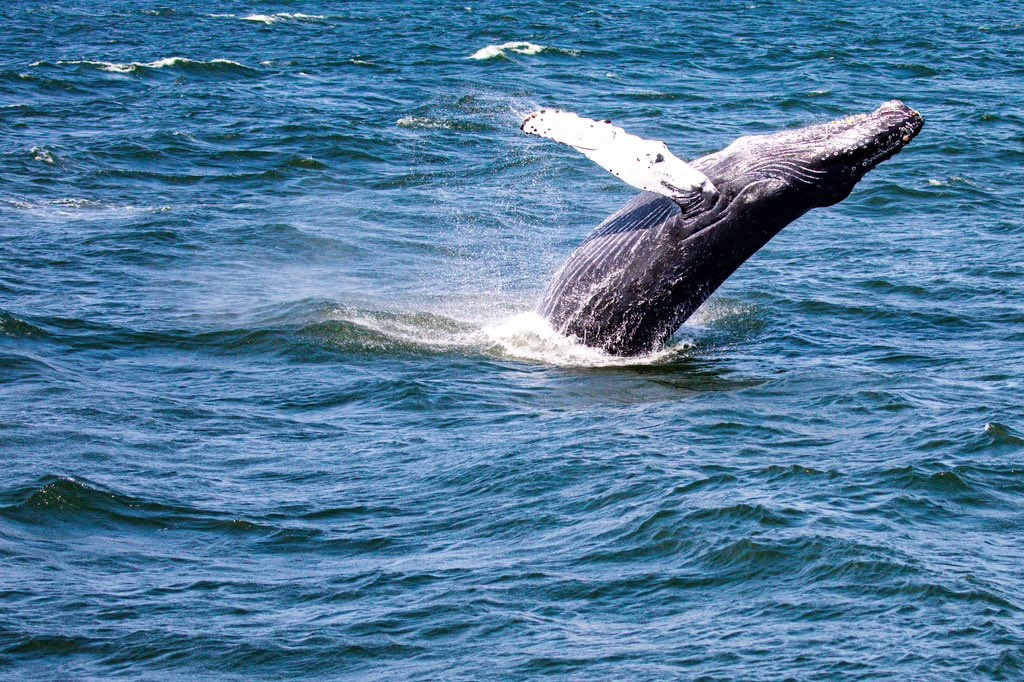
Winter favors humpback encounters; warmer, calmer months favor snorkeling visibility and smoother water.

Humpback season

Late spring through early fall

Prime whale watching, winter holidays, higher demand, and earlier sell-outs.

Snorkeling window

May–June–September–October

Typically gentler seas and clearer water for snorkeling trips.

Weather notes

Trade winds year-round

Spring and early fall offer steady, comfortable temperatures and reliable breezes for learning and day sailing. Summer brings warmer water and more thermally-driven afternoon winds but also a higher likelihood of brief thunderstorms—check forecasts and aim to finish runs before late afternoon on unsettled days. Winters are generally too cold for casual sailing unless you have cold-weather gear and local iceboat knowledge.

Quieter opportunities

Late spring & summer weekdays

Off-season activities include shore-based sailing clinics, rigging and maintenance workshops, and inland cross-training (rowing, kayaking). Some clubs and schools run classroom sessions and simulator training in winter months.

Match the trip to your comfort

Choose Your Experience Level

Low effort

Beginner

Protected-lake daysails focusing on fundamental skills—points of sail, tacking, jibing, and basic safety while staying close to shore.

  • Introductory dinghy lesson on a sheltered lake
  • Short afternoon daysail in light winds
  • Onshore rigging and safety workshop followed by a supervised sail
Active day trip

Intermediate

Longer daysails and river navigation that introduce current management, close-quarters maneuvering, and sail trim for variable winds.

  • River training to practice eddies and lee shores
  • Full-day keelboat sail on inland waters
  • Mixed-water trip combining lake sailing with a transport to a nearby estuary
Longer or technical

Advanced

Extended coastal daysails, passages, and tactical racing where wind shifts, tidal planning, and heavy-weather preparation matter.

  • Coastal day-sail to a nearby bay or inlet
  • Offshore skippered passage along the Jersey coast
  • Club racing or regatta participation requiring advanced boat-handling

Prepare for sun, spray, and swell

What to Bring

Essential

Core kit

  • USCG-approved life jacket (PFD) — required for all aboard small craft
  • Non-slip deck shoes or dedicated sailing footwear
  • Wind- and waterproof outer layer (light foul weather jacket)
  • Sun protection: hat, polarized sunglasses, sunscreen
  • Hydration and high-energy snacks
Recommended

Useful extras

  • Dry bag for phone, keys, and layers
  • Knife and small multi-tool (safety and rigging adjustments)
  • Chart or navigation app showing local waterways and launch points
  • Spare lines and basic repair kit (tape, shackles, line)
  • VHF radio or personal locator beacon for larger outings
Optional

Trip-specific

  • Lightweight gloves for handling lines
  • Wing foil or SUP if you plan to cross-train
  • Binoculars for shoreline navigation and birdwatching
  • Small first-aid kit tailored to water activities
Confirm launch access, parking rules, and any seasonal restrictions before arriving.

Insider Tips & Local Knowledge

Reserve whale-watching and popular sunset cruises well ahead during December–April.
Choose morning snorkeling departures for calmer seas and better underwater visibility.
For motion sensitivity, choose a larger vessel, sit mid-ship, and take preventative medication before boarding.
Do not touch coral or wildlife, avoid standing on reefs, and use reef-safe sunscreen.
Community-based operators may add context about traditional navigation and stewardship.
Arrive early for parking and check-in because Waikiki departure areas can be busy.

Planning questions

Frequently Asked Questions

Access rules vary by waterbody. Some lakes and river launch sites are public, while others are managed by private clubs or institutions. Check local municipal pages or site-specific signage for launch rules and any required registrations before you go.
Sailing in Princeton, New Jersey
Ready for your sailing adventure?

Browse 6 verified trips in Princeton.

Compare current availability and book with instant confirmation.

Explore Princeton sailing