Why Portsmouth Is a Standout Place for Sightseeing Tours
Portsmouth is the kind of place that rewards slow looking. On a peninsula threaded with salt marshes, quainter-than-it-needs-to-be villages, and a coastline that alternates between rugged stone and soft, low beaches, sightseeing here feels intimate rather than monumental. For travelers who want to trade the blunt spectacle of a single iconic landmark for a layered series of small, memorable views, Portsmouth is quietly ideal. The town’s history—pre-Revolutionary houses, 19th‑century shipbuilding sites, and the echoes of colonial landings—sits beside working waterfronts where local boats still ply the bay. That juxtaposition is a central part of the sightseeing rhythm: a walking tour can pass from a restored stone church to a commercial pier where lobstermen sort traps, and the distance between both scenes is measured in minutes, not miles.
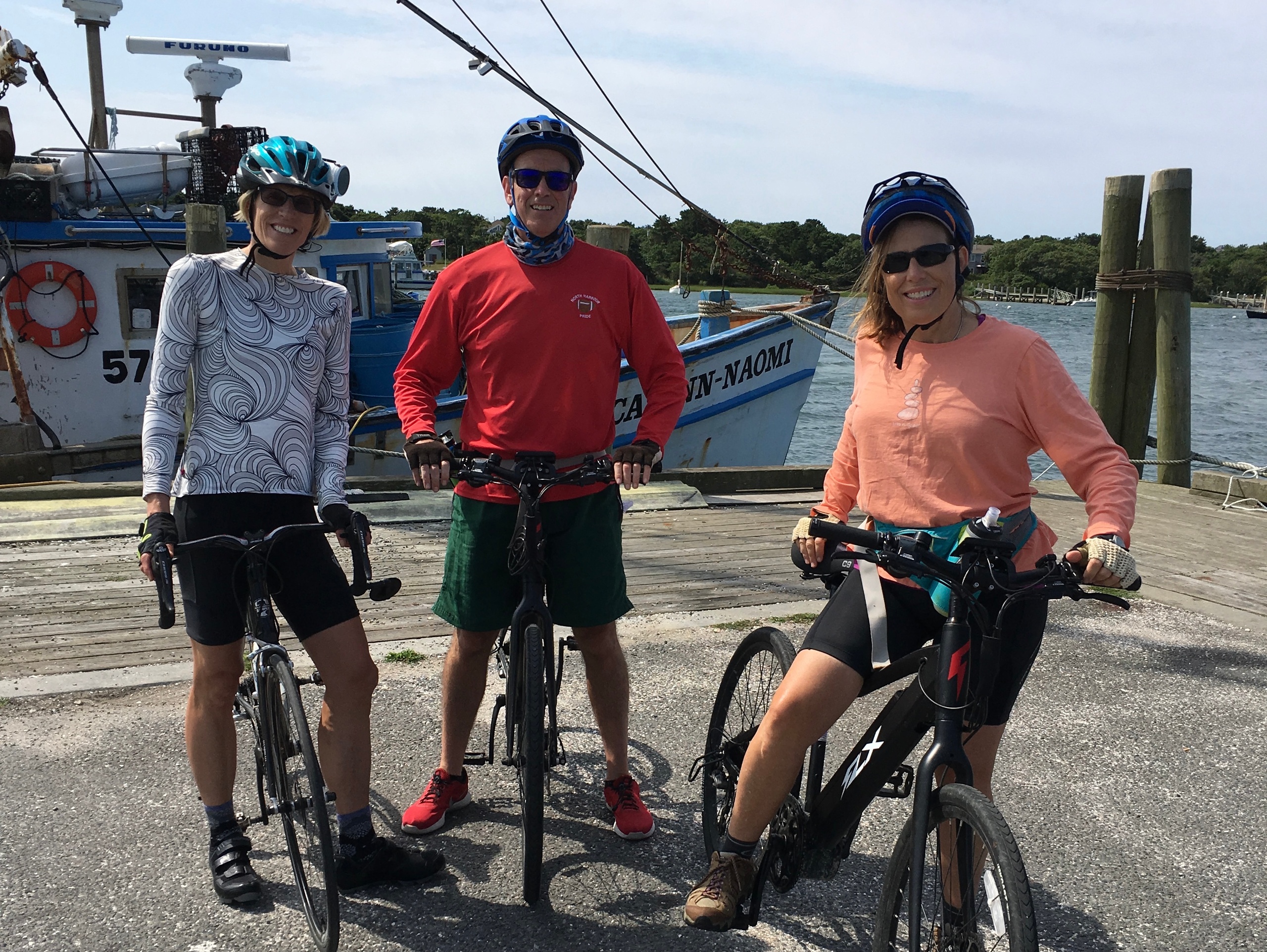
Sightseeing tours in Portsmouth take many forms, and that variety is one of the town’s strongest appeals. There are classical guided walking tours that place you under the shade of old elms while a local historian traces ownership maps and family sagas. There are short boat cruises and water taxis that widen the frame, carrying passengers out past islands and into panoramic arcs of open bay where salt wind and seabirds rewrite familiar shorelines into something elemental. For quieter, self-directed exploration, cyclists and drivers will find scenic loops along high-tide marshes and past clapboard houses with fluted columns, while kayakers and paddleboarders translate sightseeing into a slow glide at water level—best when tides and wind are calm.
Portsmouth’s scale encourages multi-modal sightseeing. It’s possible to stitch together a half-day itinerary that pairs a morning walking tour with an afternoon island cruise, then finish with a sunset drive along a coastal road. That pairing of perspectives—street-level detail, shoreline expanses, and vantage points from water—gives visitors a fuller grasp of the place’s character: a maritime economy still present in the daily rhythms, a deep colonial past that’s visible in architecture and place names, and a landscape shaped by tides, weather, and human use. Another practical advantage: compared with nearby busier shore towns, Portsmouth often feels less crowded. That makes guided tours more comfortable and photography less about elbowing for a frame and more about composing a scene.
Environmental awareness threads through sightseeing here. Many tours fold in natural-history context—salt-marsh ecology, shorebird migrations, and the role of local reefs and shoals in shaping harbor currents. Responsible sightseeing also means attending to seasonal constraints: certain coastal trails and sightlines are best in calm weather, while some island landings are tide-dependent. For travelers, that means planning with basic tidal knowledge and choosing a tour format that suits both the weather window and the pace you want: brisk and informational, or slow and sensory. Ultimately, Portsmouth’s sightseeing tours are an invitation to learn how a coastal New England community looks, moves, and remembers itself—one accessible, well-framed scene at a time.
Portsmouth pairs compact village walks with accessible marine excursions—walk a shaded historic street in the morning and catch a short boat tour of Narragansett Bay in the afternoon.
Sightseeing here blends cultural history and natural observation: expect stories about shipbuilding and local families alongside notes on salt-marsh ecology and migratory birds.
The harbor is the gateway, and the Pacific becomes the classroom.
Because the town is less crowded than nearby Newport, tours often feel personal; local guides can tailor narratives to family history, geology, or culinary stops.
Many shore-based viewpoints and island stops are tide- and weather-dependent; check schedules and tide charts, especially for small-boat or kayak-based tours.
Choose by purpose
Whale watching, snorkeling, sunset sailing, cultural canoeing, harbor sightseeing, or private chartering.
Start near the city
Waikiki and Honolulu Harbor are primary hubs, with some trips launching near Hanauma Bay.
Confirm the vessel
Gangways, shaded seating, and boarding requirements vary according to vessel size and operator.