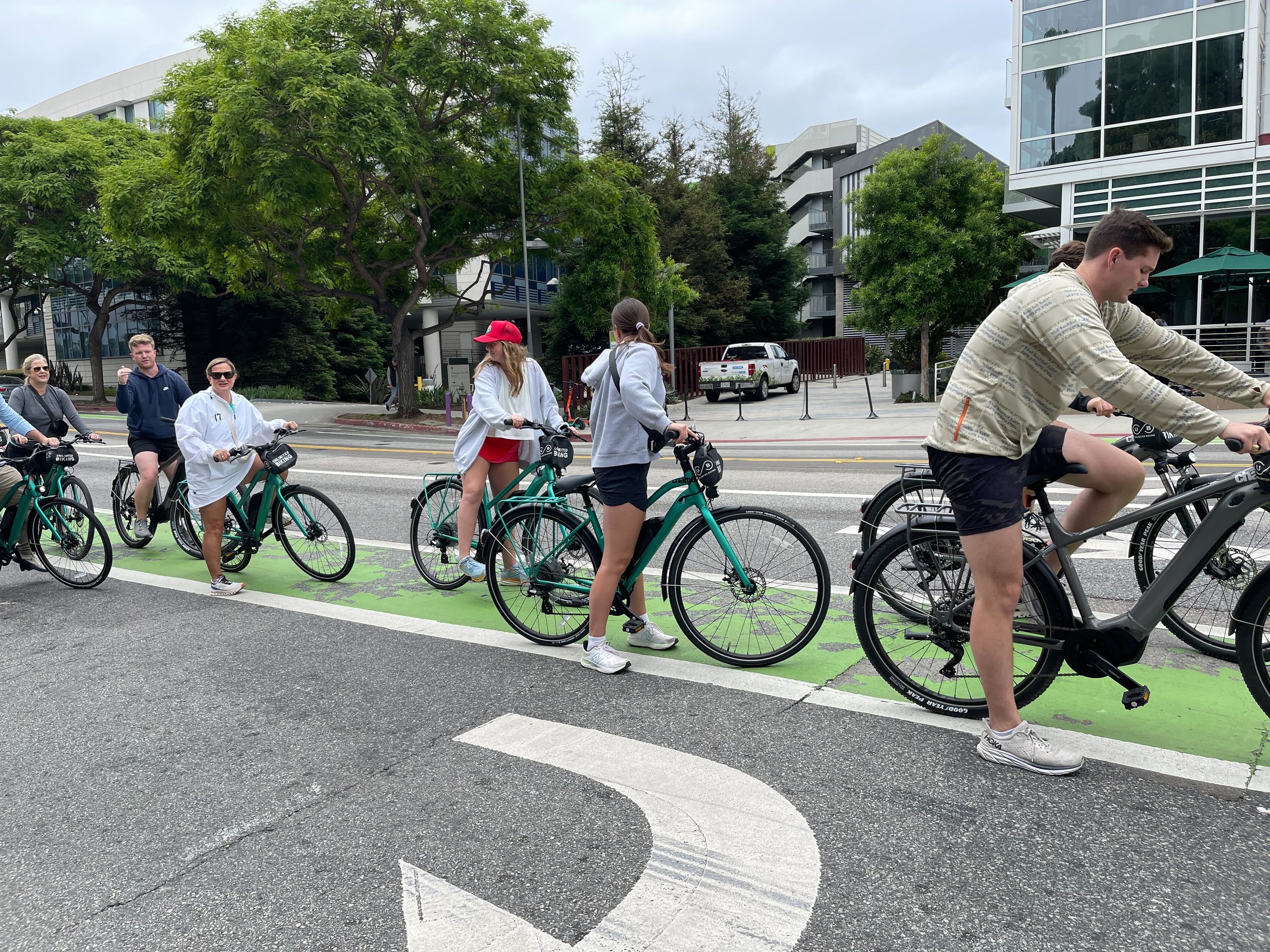
Why Porter Ranch Works for E-Biking
Porter Ranch is often thought of as a quiet suburban enclave on the edge of Los Angeles, but to anyone with an e-bike and a curiosity for rolling landscapes, it reads more like a gateway. The neighborhood sits where the San Fernando Valley softens into the Santa Susana foothills; that transition produces a patchwork of paved streets, low-traffic residential connectors, fire roads, and open slopes that reward two-wheeled exploration. On an e-bike, the math of distance and elevation changes. Routes that would be morning-only on a conventional bike open up into full afternoon circuits: a steep service road becomes a managed climb, ridge viewpoints become lunch stops rather than turnaround points, and scattered trailheads become linked itineraries that reveal a broader, quieter side of Greater Los Angeles.
E-bikes also reshape the type of rider who can enjoy these landscapes. Families and casual cyclists can tackle longer stretches without breaking the day, while experienced riders use pedal-assist to extend their range or sustain higher average speeds on mixed-surface rides. The result is a very democratic kind of adventure: playgrounds for novices, route-extension tools for intermediates, and efficiency enhancers for seasoned commuters who want a scenic spin. Because Porter Ranch blends suburban infrastructure with access to wildland edges, practical considerations —battery management, route surface, local regulations—become the deciding factors in whether a ride feels effortless or exhausting. The terrain rewards planning: choose the right assist level for long climbs, time your exits to avoid stifling afternoon heat in summer, and pick connectors that favor low-traffic streets to keep a ride feeling relaxed.
Culturally, the area feels transitional: you move from neatly planned neighborhoods into sagebrush and chaparral within minutes. That shift is one of the ride’s charms. Along the way there are pockets of history—old ranching roads and service tracks—plus modern interventions such as suburban bike lanes and multiuse paths that make legal and safe access easier. Seasonal shifts matter, too. Spring blooms and cooler autumn days are the most pleasant times to be out, while summer mid-days can become uncomfortably hot and winter nights cooler than the valley floor. For trip planning, that means morning and late-afternoon windows are often the most enjoyable, and choosing routes that offer shade or short bailout options improves safety and comfort.
Finally, e-biking in Porter Ranch links well to complementary activities. Hikers can be dropped off at trailheads after a short e-bike approach; riders can pair circuit loops with picnic stops, wildlife watching along canyon rims, or coffee breaks at neighborhood cafés upon return. For travelers interested in a mixed-activity day, Porter Ranch provides a compact base from which cycling, short hikes, and photography expeditions can be combined into a single, fulfilling outing. The overall takeaway is straightforward: with a charged battery, a thoughtful route, and modest situational awareness, Porter Ranch becomes a versatile and accessible e-bike destination—ideal for riders who want scenic variety without needing to drive hours to reach classic Southern California hill country.
Proximity to Los Angeles means easy access but quieter riding than many urban core corridors—arrive early on weekends to avoid commuter traffic.
The edge-of-city terrain creates short, steep climbs that are ideal for pedal-assist use; long monotone climbs are rare, so rides feel varied and engaging.
The harbor is the gateway, and the Pacific becomes the classroom.
E-bikes enable looped itineraries that combine residential lanes, service roads, and short trail connectors—making half-day and full-day options flexible.
Choose by purpose
Whale watching, snorkeling, sunset sailing, cultural canoeing, harbor sightseeing, or private chartering.
Start near the city
Waikiki and Honolulu Harbor are primary hubs, with some trips launching near Hanauma Bay.
Confirm the vessel
Gangways, shaded seating, and boarding requirements vary according to vessel size and operator.