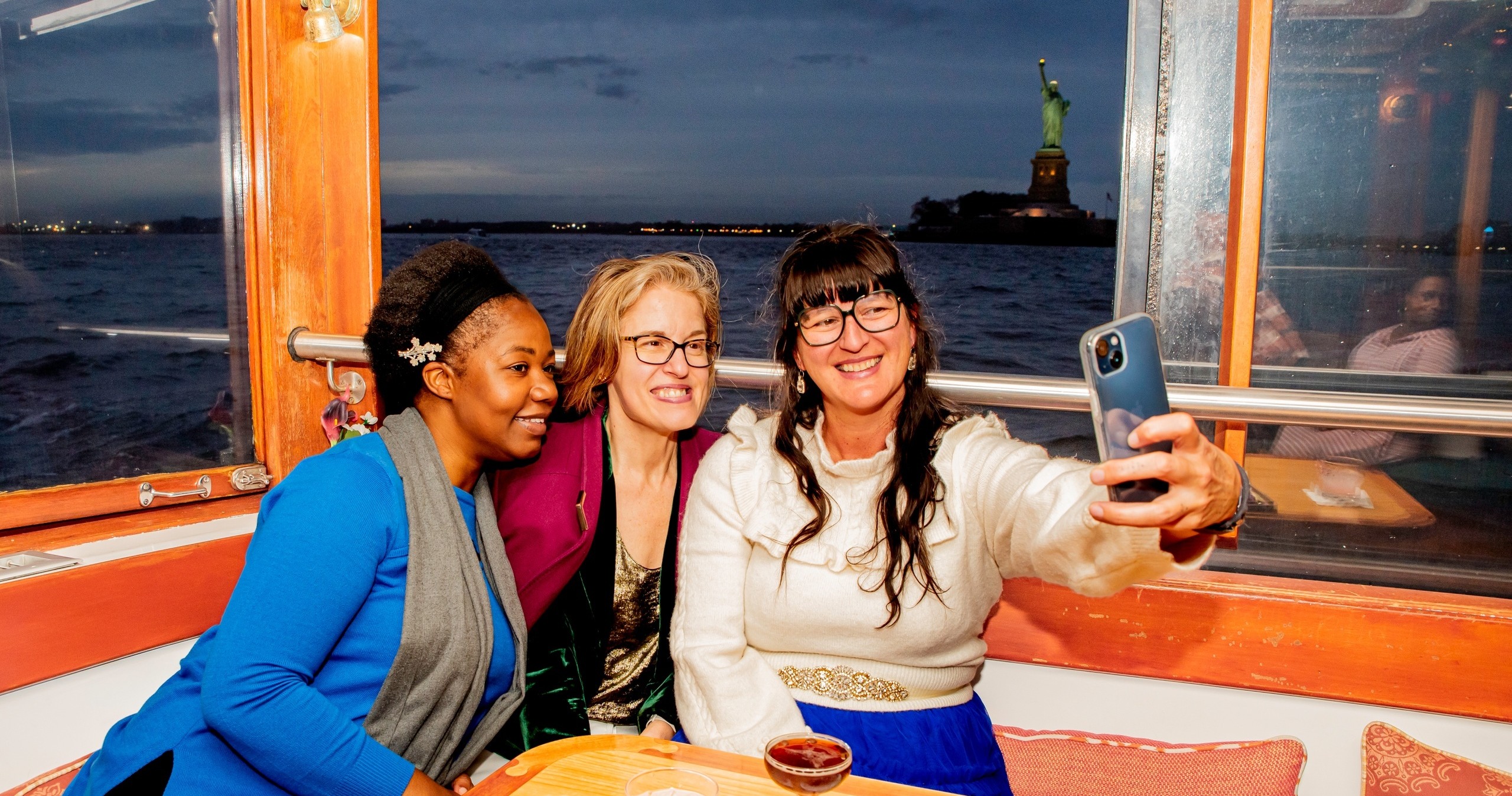
Top Sailing Adventures in Port Richmond, New York
Port Richmond is a working waterfront on Staten Island where urban grit meets salt air—an entry point for day sails into New York Harbor, tidal channels that demand respect, and shoreline views that run from rusting piers to sweeping Manhattan skyline panoramas. This guide focuses on sailing experiences from easy harbor cruises and instruction sails to tactical passages through busy shipping lanes.
Top Sailing Trips in Port Richmond
91 trips • Book with confidence • Instant confirmation
Why Port Richmond Is a Standout Sailing Base
Port Richmond sits on the North Shore of Staten Island, a maritime neighborhood shaped by industry and tide. From a sailor’s perspective it’s less about postcard quiet coves and more about access: access to one of the busiest harbors in the nation, access to tidal motors and wind corridors that teach seamanship quickly, and access to coastal contrasts—imposing container ships and cranes on one horizon, and low-slung historic piers, bird-rich mudflats and the distant Manhattan skyline on the other. The water here is an education. Currents funnel through the Kill Van Kull and Nassau/Arthur Kill complex; the tidal exchange between Raritan Bay, Upper New York Bay, and the harbor produces strong ebb and flood flows that reward respect for timing and tide tables. For a sailor looking to sharpen handling in real-world conditions, Port Richmond is invaluable.
What makes the area feel cinematic is how urban and natural elements collide. On a clear morning a short beat or reach delivers you past marine industries and moored classics, into wide views that include the Verrazzano-Narrows Bridge and Manhattan’s steel skyline. On a gray afternoon the harbor’s sloshing wakes and shipping traffic become a study in situational awareness—how to read wakes, handle prop wash, and stay communicative on VHF. Because the shoreline is active—commercial docks, ferry slips, and small marinas—sailing here is often tethered to practical logistics: launch points, mooring fields, and charter schedules. That makes Port Richmond a great base for mixed itineraries: pair a morning lesson or club sail with an afternoon of shoreline exploration, or use it as a jumping-off point for cross-bay runs to Sandy Hook, the Ambrose Channel approaches, or quieter anchorages on Staten Island’s west shore.
The local sailing scene is workshop-oriented. Expect instruction-focused operators, community programs that welcome new sailors, and fleets that emphasize safety over spectacle. For visiting sailors, that means you can book a skippered day sail, join a flotilla for a harbor circumnavigation, or rent a small keelboat with a local checkout. Environmental context is part of the experience—water temperature, plume patterns from the harbor, and migratory birds are all part of what you’ll notice when you slow down and look. Practically, the area demands preparation: up-to-date charts, tide planning, awareness of commercial lanes, and the ability to adjust routes for heavy wakes and shifting winds. But the payoff is immediate: close-in skyline moments, the hum of maritime commerce as a backdrop, and the skill-building conditions that separate casual day-sailing from confident coastal cruising.
Port Richmond’s proximity to major shipping channels makes seamanship the central theme—sailors leaving here learn to integrate navigation, communication, and timing quickly.
The mix of industrial and natural shoreline creates varied short-hop itineraries: urban harbor loops, cross-bay runs, and nearby protected anchorages that work well for overnight or multi-day plans.
Best Time to Visit
Best Months
Weather Notes
Late spring through early fall offers the warmest water and most reliable summer sea breezes, but afternoon thunderstorms can build in summer. Shoulder seasons (May and September–October) often provide stable winds and fewer crowds. Winters bring cold winds and ice risk—only experienced, properly equipped sailors should consider the water then.
Peak Season
June–September
Off-Season Opportunities
Early spring and late fall can be quieter and cheaper for instruction sails and charters; cooler air and clearer visibility make for crisp skyline views. Winter months see very limited recreational sailing and increased commercial traffic—plan only with local expertise.
Frequently Asked Questions
Do I need a license to skipper a charter from Port Richmond?
Requirements vary by operator. Many small-day-charter firms require a local checkout or proof of recent sailing experience; for larger powered vessels, operators may request formal licensing. Check with the charter company ahead of booking.
Are harbor waters safe for beginners?
Harbor waters offer sheltered options but also busy commercial traffic and strong tides. Beginners do well on supervised instruction sails or club outings that keep to protected basins and avoid main shipping channels until skills are built.
How should I plan around tides and currents?
Use tide tables or apps to plan departure and arrival times, especially for passages that cross the Kill Van Kull or Raritan Bay. Slack tides reduce current effects; conversely, avoid setting off at peak ebb or flood for narrow channels.
Choose Your Experience Level
Beginner
Introductory harbor sails, onboard instruction, and sheltered boat-handling practice under a skipper’s guidance.
- 2–4 hour skippered harbor cruise focusing on basics
- On-deck lesson on points of sail and safety procedures
- Community club sail in protected basins
Intermediate
Day sails that include short open-water legs, navigation through traffic separation schemes, and basic passage planning.
- Cross-bay run to Sandy Hook or southern Staten Island anchorages
- Tactical practice in tidal channels with experienced crew
- Join a mixed-experience flotilla for multi-stop harbor exploration
Advanced
Coastal passages that require tide and traffic planning, night passages, and familiarity with commercial traffic procedures.
- Passage planning for overnight transit to New Jersey or outer bay anchorages
- Deliveries or long-distance crewed charters through Ambrose approaches
- Advanced seamanship clinics focusing on heavy-wake handling and piloting crowded channels
Insider Tips & Local Knowledge
Check charts, tides, and VHF before leaving the dock. Ports and channels near Port Richmond are active—communication and timing keep things smooth.
Time your passages for slack tide when possible; an extra 30–60 minutes spent waiting can save hours of fighting current. Keep VHF tuned to the working channels and call larger commercial traffic if crossing their projected track. Expect heavy wakes from ferries and tugs—plan seating and stow loose gear. Reserve slips or charter spot in advance for summer weekends, and ask charters for a local checkout if you plan to take the helm. Combine a sail with shore activities: shoreline birding at nearby mudflats, a quick ferry ride for sightseeing, or sampling Staten Island’s waterfront eateries. Finally, bring redundant navigation: a charged phone with apps is handy, but a paper chart and a printed excerpt of the tide table are practical backups in busy harbor conditions.
What to Bring
Essential
- USCG-approved life jacket (one per person) — wearable and sized
- Waterproof jacket and layered clothing (windproof + insulating mid-layer)
- Non-slip deck shoes or sneakers (no heavy soles that mark decks)
- Sunglasses with retainer and sun protection (hat, SPF)
- Tide table or app, and up-to-date nautical chart (paper or electronic)
Recommended
- VHF radio (handheld) and knowledge of Channel 16/13 procedures
- Foul-weather pants if rain or spray is likely
- Small dry bag for phone, map, and snacks
- Motion-sickness remedies if prone to seasickness
- Reusable water bottle and shore snacks
Optional
- Binoculars for spotting landmarks and birds
- Waterproof camera or action cam for skyline and wake shots
- Light gloves for rope handling
- Portable power bank for devices
Ready for Your Sailing Adventure?
Browse 91 verified trips in Port Richmond with instant booking
Explore Top 15 Port Richmond, New York Adventures →