2

Top Eco Tours in Port Richey, Florida

Port Richey, Florida

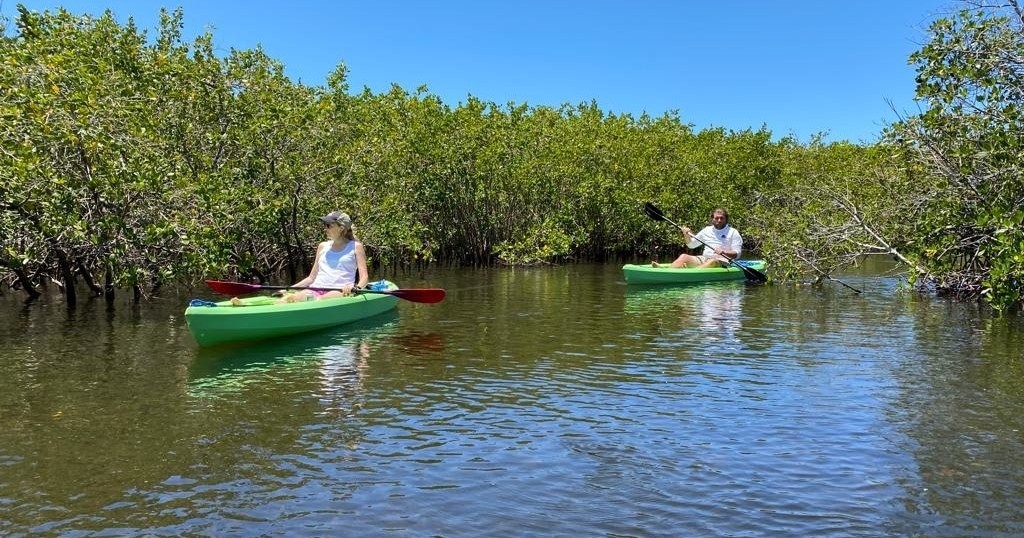
Port Richey’s low, wide horizons and labyrinth of mangroves cradle an estuarine world where tides stitch land and sea into a living classroom. Eco tours here are intimate by design—guided kayaks that ghost under mangrove canopies; boat trips that slow to let manatees surface within arm’s reach; and interpretive walks across salt marshes where migratory shorebirds refuel. Expect a focus as much on context as on spectacle: natural history, restoration work, and the human stories that shape local stewardship. These outings pair easy-access logistics with big wildlife payoffs, making Port Richey a practical year-round choice for travelers who want to witness Florida’s subtropical edge without a long transit or technical skillset.

22
Activities
Year-round with winter and spring peaks for birds and manatees
Best Months

Top Eco Tour Trips in Port Richey

22 trips • Book with confidence • Instant confirmation

Why Port Richey Is a Distinctive Eco-Tourism Hub

Port Richey sits at the quieter, less-commercialized end of Tampa Bay’s mosaic of wetlands, islands, and inlets—a place where the built and wild edges meet in ways that reward slow, observant travel. The ecological engine here is simple and generous: rivers laden with tannin feed broad estuaries, mangrove roots trap sediment and shelter juvenile fish, and seagrass beds nearshore feed a web of life that scales from fiddler crabs to dolphins. For the visiting naturalist or curious traveler, that means every eco tour is also a lesson in connectivity. A guided boat trip becomes a primer on nutrient cycles when your guide shows how tannin-stained flows shape oyster reefs; a paddle through a channel becomes a bird migration waypoint when flocks lift and settle with the tide.

The tours themselves skew intentionally accessible. There are no alpine passes or multi-day backcountry crossings here—rather, Port Richey’s terrain favors low-impact outings that foreground observation and interpretation. Kayak and stand-up paddleboard (SUP) excursions thread narrow mangrove estuaries where guides point out leaf litter crabs, epiphytic orchids, and the subtle differences between red, black, and white mangrove roots. Flat-bottomed skiff trips navigate wider waters to reach seagrass flats and the deeper channels where manatees and dolphins feed. On land, short boardwalks and coastal preserves offer intimate interpretive walks emphasizing habitat restoration, invasive species removal, and the local organizations doing conservation work. That combination—water-based access plus hands-on conservation messaging—gives Port Richey’s eco tours a practical, actionable edge: visitors leave with stories, binoculars full of sightlines, and concrete ideas for low-impact travel and stewardship.

Seasonality amplifies different dimensions of the experience. Winter and early spring draw migrating shorebirds and clearer water conditions for snorkeling the shallows; warmer months lengthen the window for night paddles and bioluminescence watches in calmer bays. Weather is characteristically Floridian—sunny mornings followed by afternoon sea breezes and a summertime squall—so guides design trips around tidal flows and forecast windows to maximize wildlife encounters and comfort. Accessibility is another advantage: many launches and preserves are a short drive from parking, and outfitters commonly provide basic instruction and gear, making eco tours viable for families, skilled paddlers, and anyone seeking a low-barrier nature immersion. Finally, Port Richey’s quieter character compared with nearby tourist hubs results in more contemplative shorelines; you’re more likely here to hear the call of a kingfisher than the hum of a crowded pier. Together, these elements make Port Richey an ideal coastal laboratory for travelers who prioritize ecological literacy, close wildlife viewing, and meaningful conservation context on short, well-run outings.

The mix of habitats—mangrove tunnels, tidal creeks, salt marshes, and seagrass flats—creates high biodiversity in a compact area, so short outings often yield a wide range of species.

Local outfitters emphasize interpretation and stewardship, often partnering with conservation groups on citizen science opportunities like bird counts and shoreline cleanups.

Activity focus: Guided estuary and mangrove eco tours (kayak, boat, SUP, interpretive walks)
22 guided eco tour experiences match the Port Richey area
Wildlife highlights: manatees, shorebirds, ospreys, dolphins, juvenile fish, and crabs
Tours are generally low-impact and family-friendly
Seasonal focus: winter–spring for birds and clearer water; summer for mangrove growth and night paddles

Best Time to Visit

Best Months

NovemberDecemberJanuaryFebruaryMarchApril

Weather Notes

Mild, drier winters and springs offer the best combination of comfortable temperatures and high visibility in shallow water. Summers are hot and humid with frequent afternoon thunderstorms; expect higher insect activity and faster plant growth in mangroves. Tidal cycles and weather-driven winds shape tour timing—calmer mornings often yield the best wildlife encounters.

Peak Season

Winter–early spring (bird migration and clearer conditions for water visibility)

Off-Season Opportunities

Summer brings opportunities for evening or night paddles, bioluminescence tours where conditions allow, and quieter preserves for restoration volunteer days.

Frequently Asked Questions

Do I need prior paddling experience for kayak eco tours?

Most outfitters welcome beginners and include a short skills orientation; choose guided tandem options or sheltered-channel trips if you’re new to paddling.

Are eco tours family-friendly?

Yes. Many tours are suitable for older children and families—confirm age and weight limits with operators and opt for shorter, slower itineraries for young children.

Will I see manatees and dolphins on every trip?

Wildlife sightings are never guaranteed; winter increases manatee encounters while dolphins are frequently seen in deeper channels. Guides maximize chances by timing tours with tides and known feeding areas.

Choose Your Experience Level

Beginner

Flat-water guided kayak or SUP tours, short boat cruises, and boardwalk interpretive walks with minimal paddling and low physical demand.

  • Shallow estuary guided kayak loop
  • Short interpretive mangrove walk
  • Family-friendly boat eco cruise

Intermediate

Longer paddle loops through winding channels, single-kayak trips with some maneuvering, or combined paddle-and-walk tours requiring moderate fitness.

  • Two-hour mangrove tunnel paddle
  • Paddle-to-snorkel seagrass exploration
  • Half-day combination tour with conservation talk

Advanced

Extended tidal-route paddles, coastal navigation in variable winds, or volunteer-based restoration adventures that include labor and longer on-site components.

  • Tidal-run kayak route linking multiple estuaries
  • Overnight paddlecamping in nearby barrier islands (where permitted)
  • Hands-on conservation/volunteer restoration day

Insider Tips & Local Knowledge

Confirm launch locations, tide times, and outfitter cancellation policies before booking; local conditions change quickly with weather and tides.

Book morning departures for calmer water and cooler temperatures—afternoons often bring onshore winds and thunderstorms in summer. Bring reef-safe sunscreen and leave single-use plastics behind; many local operators and preserves emphasize low-impact travel. If birding is your priority, check migration schedules and ask guides about recent sightings; smaller guided groups almost always yield better viewing. For a quieter experience, choose weekday outings or opt for preserves and shoreline walks rather than busier public piers. Lastly, consider a tour that partners with a conservation organization—these often include interpretation, hands-on restoration, or citizen-science options that deepen the experience and support local habitat work.

What to Bring

Essential

  • Waterproof day pack and plenty of water
  • Sun protection: hat, sunscreen (reef-safe), sunglasses
  • Lightweight, quick-dry clothing and water-friendly footwear
  • Binoculars for birds and distant wildlife
  • Reusable water bottle

Recommended

  • Light rain shell for afternoon showers
  • Dry bag for electronics
  • Insect repellent for mangrove and marsh edges
  • Small field notebook or phone app for species IDs

Optional

  • Underwater camera or snorkel mask for seagrass flats
  • Gloves for hands-on volunteer or restoration activities
  • Light layered insulating top for early-morning tours

Ready for Your Eco Tour Adventure?

Browse 22 verified trips in Port Richey with instant booking

Explore Top 15 Port Richey, Florida Adventures →