Air Activities in Port Jervis, New York

Port Jervis, New York

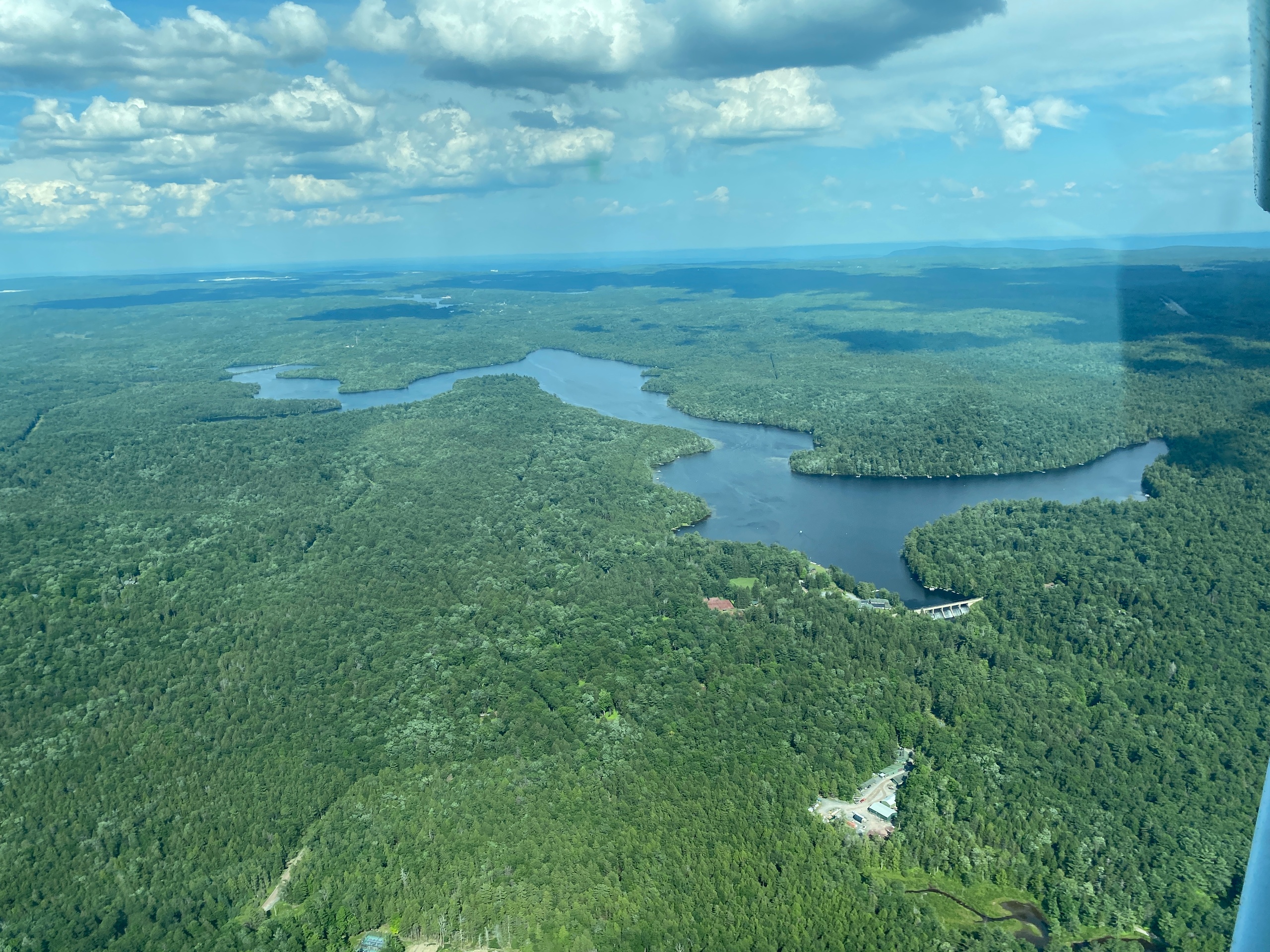
Nestled where the Delaware River carves a green gorge and the ridgelines of three states meet, Port Jervis functions as a quiet gateway to airborne adventure. From serene balloon silhouettes at dawn to the adrenaline of a tandem paraglide or a low-and-slow scenic flight above fall foliage, air activities here emphasize landscape, light, and weather: the river’s reflective corridor that makes for memorable photogenic runs, thermals along the ridgelines that draw paragliders, and small regional operators that stage flights from nearby fields and airstrips. This guide focuses on the experience of being airborne in and above Port Jervis—the terrain you’ll see, the seasonal windows that matter, how to plan around weather and logistics, and what complementary outdoor pursuits to fold into a short trip.

4
Activities
Spring–Fall
Best Months

Top Air Activities Trips in Port Jervis

4 trips • Book with confidence • Instant confirmation

Why Port Jervis Works for Air Activities

There’s a distinct quality to flying over Port Jervis: the river acts as a visual spine, a long reflective ribbon that organizes everything the eye tracks from a cockpit, basket, or harness. The town sits where three states’ geology—the folded ridges of the Catskills to the north, the more eroded highlands to the west, and the shawangunk-style cliffs a short drive away—creates a variety of lift sources and scenic corridors. That combination means pilots and passengers get more than one kind of view in a single sortie: tree-lined river bends; craggy ridgeback silhouettes; open farmland that steps down into water; and, in autumn, a quilt of color that reads beautifully from altitude.

For people who travel to Port Jervis for air activities, the trip is rarely about a single thrill. It’s about timing light and weather against topography. Early mornings in late spring and summer offer calm air and glassy river reflections ideal for ballooning or gentle photography flights; late-afternoon ridgeline thermals—when winds align—invite paragliding launches and longer soaring runs. Operators in the region tend to be small, focused teams who prioritize safety and local knowledge. They know where to position a balloon launch to take advantage of valley inversions, which fields clear fastest after a morning dew, and how to read the river corridor for fog and wind shear.

Port Jervis also serves as a practical access point. It’s close enough to larger Hudson Valley and Poconos hubs that aircraft, glider, or skydiving schools sometimes stage from nearby strips, but small and quiet enough that the preflight experience feels personal. Visitors appreciate that flights can be combined easily with river paddling, ridge hikes, farm-to-table meals in tiny hamlets, and classic fall foliage drives. For pilots and students, the varied terrain offers progressive challenge: broad, forgiving landing zones along the Delaware for initial training; tighter ridge approaches for experienced pilots; and cross-country routes that open into the Catskills and beyond.

Safety, as always with air activities, is dictated by weather. The microclimates of the gorge can change rapidly—clear, glassy mornings give way to thermic afternoons and, in summer, the occasional thunderstorm. Operators typically favor the calm windows around dawn, and autumn’s cooler, more stable air produces the region’s crispest flights and the most dramatic vistas. For anyone planning a first-time tandem paraglide or a sunrise balloon ride, the key planning variables are time of day, seasonal expectations, and operator transparency about minimums for wind and visibility. The payoff for careful planning is undeniable: quiet, wide-ranging perspectives on a landscape that reads differently from every altitude.

The Delaware River Gorge forms a visual and meteorological corridor that both frames scenic flights and creates predictable morning and afternoon wind patterns.

Local operators work from small fields and regional airstrips; arrangements tend toward small-group or private bookings rather than large tour buses.

Air activities pair especially well with river paddling, ridge hikes, and the region’s agritourism—plan a morning flight followed by a riverside lunch and an afternoon trail.

Activity focus: Ballooning, tandem paragliding, scenic flights, introductory flight lessons
Typical launch and landing terrain: river valleys, open agricultural fields, modest ridgelines
Best visibility: crisp autumn and clear spring mornings
Weather dependency: High—many flights cancel for wind, low cloud, fog, or storms
Local access: Drive via I-84 and Route 209; limited public transit options

Best Time to Visit

Best Months

AprilMayJuneSeptemberOctober

Weather Notes

Spring and fall offer the most stable and visually rewarding flying conditions; late-spring mornings are cool and still, while autumn provides crisp air and strong visibility. Summer brings stronger afternoon thermals and occasional thunderstorms; winter operations are limited and subject to frozen ground and low sunshine angles.

Peak Season

September–October for fall color flights and May–June for comfortable mornings and long daylight hours.

Off-Season Opportunities

Some operators run limited flights in late winter on clear, calm days—these are rare but offer stark, snowy vistas if available. Expect more cancellations and shorter availability in the off-season.

Frequently Asked Questions

Do I need prior experience to do an air activity here?

No—many providers run tandem paragliding and balloon rides that require no experience. Introductory flight lessons are available for those wanting hands-on training. Advanced activities, like cross-country paragliding or pilot training, require certifications or prior hours.

How weather-dependent are flights?

Very. Operators follow strict wind, ceiling, and visibility minimums. Expect early-morning or late-afternoon windows to be prioritized; cancellations are common when conditions deviate from safe limits.

Are there weight or age restrictions?

Specific limits vary by operator and aircraft type. Tandem experiences often have both minimum and maximum weight restrictions and may set age or health requirements. Confirm details with the provider before booking.

Choose Your Experience Level

Beginner

Introductory, passenger-facing flights that require no skills—focused on comfort, scenery, and short-duration experiences.

  • Sunrise hot-air balloon or tethered balloon rides
  • Tandem paragliding (intro flights)
  • Short scenic airplane or helicopter tours from nearby strips

Intermediate

Hands-on introductory lessons and longer tandem experiences that expose participants to basic flight dynamics, launches, and landings.

  • Introductory paraglider training flights
  • Scenic fixed-wing flights with commentary
  • Longer morning or autumn leaf-peeping sorties

Advanced

Pilot-level experiences requiring certifications, local knowledge, and a tolerance for complex weather and landing conditions.

  • Cross-country paragliding along ridgelines
  • Glider or sailplane training (where available regionally)
  • Pilot training and transition flights in local airspace

Insider Tips & Local Knowledge

Air activities hinge on timing, weather, and local pilot expertise—book with operators who communicate clearly about cancellation policies and alternate options.

Book morning flights for the calmest air and the best chances of success; operators often schedule a backup slot the same day when possible. Expect to arrive earlier than your flight time for preflight briefings and weight checks. Dress in layers—temperatures aloft are cooler and wind-exposed—and wear shoes you can run in for light landings. Bring a secure strap for cameras because a dropped device is gone; many pilots recommend using a wrist or neck tether. If you’re weighing options between activities, pair a dawn balloon or scenic flight with afternoon river paddling or a ridge hike—the contrast between aerial perspective and close-in landscape exploration is the region’s signature combo. Lastly, have flexible travel plans: a canceled flight often frees up a clear window the next morning, and local operators can advise the best weather-dependent plan for your visit.

What to Bring

Essential

  • Closed-toe shoes and low-profile clothing (no long skirts or loose hems)
  • Warm layers for early-morning or high-altitude flights
  • Sunglasses and sunscreen
  • Photo gear with secure strap or wrist tether
  • Government ID required for some flights or airfields

Recommended

  • Windbreaker or light shell (wind feels stronger aloft)
  • Small daypack with water and snacks
  • Motion-sickness remedies if you’re prone
  • Charged phone and portable battery

Optional

  • Binoculars for bird or horizon watching
  • Light gloves for cooler flights
  • Compact notebook or voice recorder to capture route notes

Ready for Your Air Activities Adventure?

Browse 4 verified trips in Port Jervis with instant booking

Explore Top 15 Port Jervis, New York Adventures →