Top Kayak Adventures in Port Canaveral, Florida
Port Canaveral condenses a surprising range of paddling experiences into a narrow strip of coastline: protected estuaries and broad tidal flats, narrow mangrove mazes, open Atlantic jetties, and quiet inlet crossings where sea turtles and manatees surface within arm’s reach. This guide focuses on kayaking opportunities—day trips, wildlife-focused paddles, and technical crossings—so you can plan routes, read tide and wind cues, and pick the right gear for the Space Coast’s uniquely productive waters.
Top Kayak Trips in Port Canaveral
41 trips • Book with confidence • Instant confirmation
Why Port Canaveral Is a Standout Kayak Destination
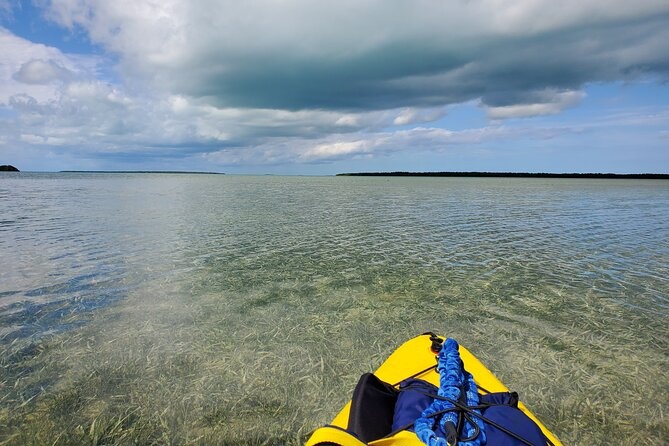
Where the Atlantic meets shallow lagoon, Port Canaveral feels like a coastal classroom: each bend, channel, and mangrove root is an open lesson in ecology and tidal physics. For kayakers the range is unusually compact. Within a short paddle you can move from calm backcountry flats of the Indian River Lagoon—where manatees slowly browse seagrass—to exposed jetty edges where Atlantic rollers throw spray and pelicans hover like punctuation marks. This proximity of sheltered and open water lets paddlers calibrate the challenge of a day trip: choose a placid wildlife float through mangroves or plan a technical crossing by the jetties and inlet channels when winds and tides align.
Seasonality here is defined less by snow and more by wind, water temperature, and visitation. Spring and fall are the sweet spot: moderate winds, clear water, and active wildlife. Summer brings heat, afternoon squalls, and more boat traffic; it’s excellent for early-morning paddles and night tours when bioluminescence can shimmer in wake trails. Winter months are mild by northern standards and often deliver glassy conditions ideal for photographers and birders. Whatever the season, reading tides and currents is central: shifting flows change shallow flats into wide, paddleable expanses or into confusing eddy lines around inlets.
The human story here follows the water. Port Canaveral’s working harbor and cruise terminal create both challenges and perks—large-ship traffic concentrates in predictable channels, leaving quieter pockets for paddling. Nearby Canaveral National Seashore and the Merritt Island refuges preserve stretches of native coastline and provide protected launch points. Local outfitters and eco-guides make this coast accessible: they know low-tide shortcuts through mangrove passes, where to find resting manatees, and which sandbars are ideal for lunch stops. They also understand the hazards: engine wash from passing boats, sudden wind shifts around the cape, and the occasional red tide closure. A well-planned paddle here balances curiosity with respect for wildlife and commercial watercraft.
Finally, Port Canaveral’s variety of complementary experiences—snorkeling wrecks, surf at Cocoa Beach, birding along the lagoon, and evening bioluminescent tours—means kayakers can stitch a full coastal trip from short daily paddles to exploratory multiday itineraries. The region rewards attention to tide tables, a quiet hand during wildlife encounters, and a willingness to start early; when you get those elements right, the Space Coast delivers vivid paddling memories that are equal parts wild, practical, and deeply Floridian.
Compact variety: sheltered estuaries, mangrove channels, and exposed jetty crossings are all within easy reach of Port Canaveral launches.
Wildlife and ecology: manatees, sea turtles, wading birds, and abundant seagrass beds make every paddle both scenic and educational.
Best Time to Visit
Best Months
Weather Notes
Spring and fall usually provide the calmest winds and clearest water; summer mornings can be excellent but plan around afternoon thunderstorms. Winters are mild and often glassy, though occasional cold fronts and increased northerly winds can be brisk.
Peak Season
Late winter through spring draws the most visitors for wildlife viewing and mild paddling conditions.
Off-Season Opportunities
Summer offers early-morning solitude and the chance to join night paddles for bioluminescence; weekdays in winter can be remarkably quiet and ideal for photography.
Frequently Asked Questions
Do I need permits to kayak in Port Canaveral?
Most public launches do not require special permits for day use. Specific wildlife refuges or managed areas may have regulations—check Canaveral National Seashore and Merritt Island NWR rules for any seasonal restrictions.
Are rentals and guided tours available?
Yes. Local outfitters offer single and tandem kayak rentals, guided mangrove and wildlife tours, and specialized trips like bioluminescence paddles and night tours.
How do tides and currents affect routes?
Tides can expose or flood flats and alter current strength near inlets. Plan trips with the tide table in mind—many paddlers prefer outgoing tides for inlet crossings and incoming for returning across flats. When in doubt, consult an experienced guide.
Is Port Canaveral safe for beginners?
Many sheltered lagoon routes and guided tours are beginner-friendly. Beginners should avoid open inlet crossings and exposed jetty edges until they have group support and local knowledge.
Choose Your Experience Level
Beginner
Protected-lagoon paddles and short mangrove loops with minimal tidal current; suitable for first-time kayakers and families.
- Indian River Lagoon wildlife float
- Calm mangrove paddle near Cocoa Beach launches
- Guided family eco-tour through shallow seagrass flats
Intermediate
Longer estuary routes, tidal-assisted crossings, and more exposed shoreline paddles that require tide planning and basic navigation skills.
- Crossings to sandbars at low tide within the lagoon
- Mosquito Lagoon day paddle with birding and snorkeling stops
- Jetty Park to nearby sandbar loop at mid-tide
Advanced
Technical inlet and jetty crossings, open-ocean stretches, and multi-launch itineraries that demand wind tolerance, strong navigation, and self-rescue competence.
- Inlet crossing near Port Canaveral jetties on favorable tide and wind
- Crossover to Canaveral National Seashore with long exposed legs
- Night bioluminescence expeditions and long-distance coastal runs
Insider Tips & Local Knowledge
Always verify launch access, tide conditions, and marine advisories before launching.
Start early—mornings are typically the calmest and wildlife is most active. Respect manatee and turtle zones: approach slowly, keep distance, and avoid sudden noise. Watch the shipping channels near Port Canaveral—large vessels follow predictable routes, so cross quickly and perpendicular if necessary. Check local reports for red tide and water-quality advisories; when in doubt, opt for a guided trip. Bring layered sun protection rather than heavy clothing—the Florida sun is the most consistent hazard. For multi-point shuttles, confirm parking rules at launch and take photos of your vehicle location. Finally, hire a local guide for inlet crossings or your first mangrove maze: they’ll save time, point out hidden wildlife, and teach the local tide logic that makes paddling here reliably rewarding.
What to Bring
Essential
- USCG-approved life jacket (worn at all times)
- Tide and current chart or app (e.g., NOAA tide tables)
- Sun protection: SPF, brimmed hat, polarized sunglasses
- Water (1L+ per person) and high-energy snacks
- Dry bag for phone, keys, and spare layers
- Reef-safe sunscreen and water-resistant first-aid kit
Recommended
- Paddle leash and bilge pump or sponge
- Light wind layer and quick-dry clothing
- Water shoes or reef booties for rocky landings
- VHF radio or waterproof phone case with emergency contacts
- Headlamp and navigation lights for dawn or dusk paddles
Optional
- Binoculars for birding
- Underwater camera or snorkel gear for wreck/shoal exploration
- Compact repair kit (duct tape, spare paddle blade attachment)
- Tide wallet or small anchor for relaxed beach stops
Ready for Your Kayak Adventure?
Browse 41 verified trips in Port Canaveral with instant booking
Explore Top 15 Port Canaveral, Florida Adventures →