Top 7 Air Activities in Poinciana, Florida
Flatlands, lakes, and wide-open skies make Poinciana an unexpectedly rich base for air-based adventures. From calm sunrise balloon launches a short drive away to adrenaline-fueled skydives and scenic helicopter hops over lake country, this guide focuses on the airborne experiences you can access from Poinciana and the practical considerations that come with flying in Central Florida.
Top Air Activities Trips in Poinciana
7 trips • Book with confidence • Instant confirmation
Why Poinciana Works for Air Activities
Poinciana sits low and open—an arrested landscape of lakes, scrub, and suburban patchwork that makes the sky feel close. That openness is the first advantage for anyone thinking about air activities: unobstructed horizons, large water bodies for visual reference, and relative ease of access to nearby launch sites. The community itself isn’t an aviation hub, but its proximity to Kissimmee, Polk County, and other Central Florida aerodromes makes it a convenient overnight base for pilots, tour operators, and visitors chasing everything from peaceful balloon rides to full-throttle skydiving. In practical terms, staying in or near Poinciana saves drive time to several reputable operators while keeping you close to family-friendly lodging and lakeside downtime.
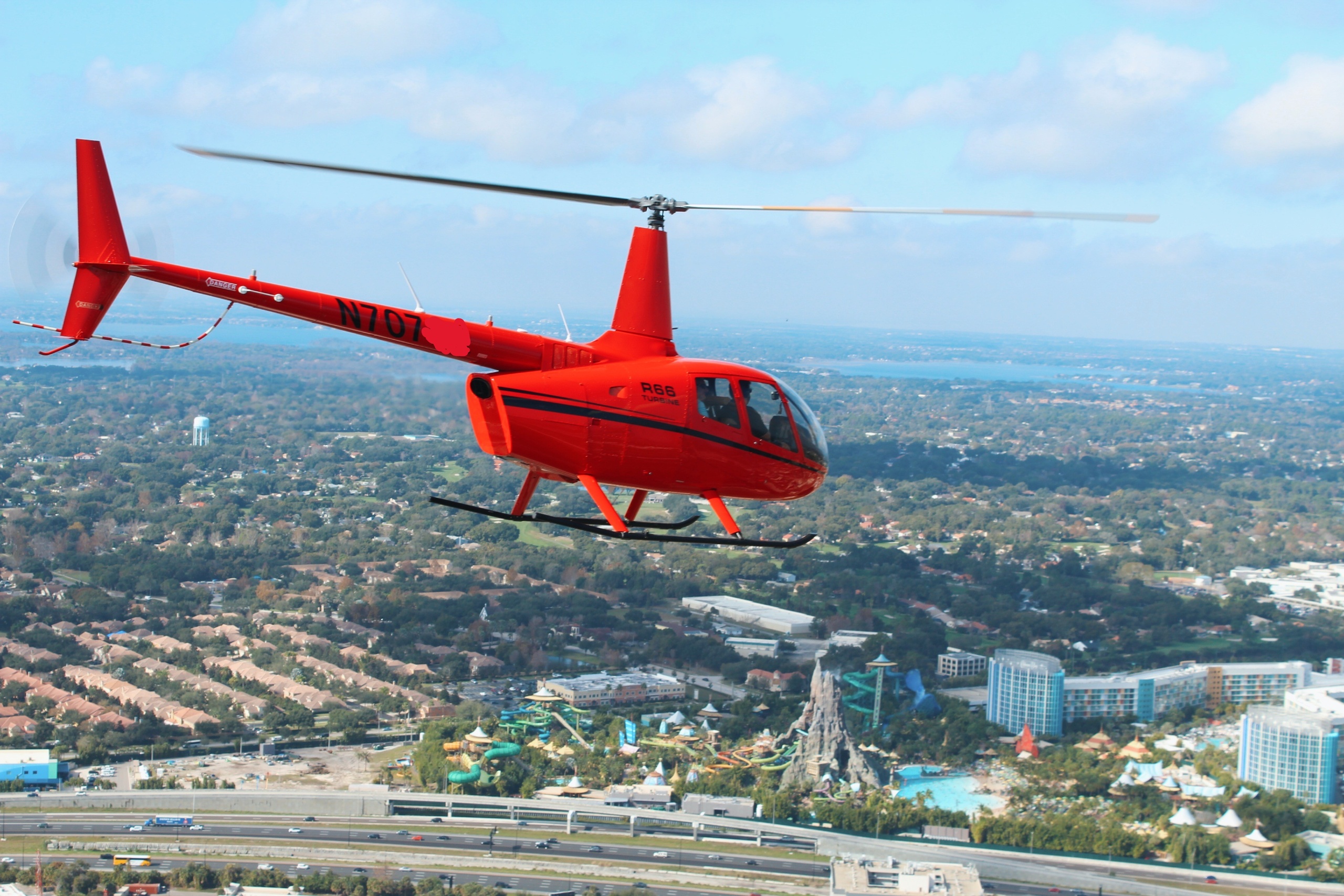
What truly distinguishes the air experience here is variety. You can watch a sunrise balloon envelope lift from a field a short drive away, then spend the afternoon on a calm seaplane hop across Lake Tohopekaliga and the Kissimmee Chain. For adrenaline seekers, Central Florida hosts long-standing drop zones and aerobatic providers, and those services are reachable from Poinciana without the long transfers required in more mountainous or remote regions. Helicopter charters operate from nearby small airports, offering quick vantage points for wetland mosaic and residential developments—a reminder that air activities here are as much about perspective as they are about thrill.
Environmental and regulatory context matters: Poinciana lies inside a busy corridor of controlled and special-use airspace tied to Orlando’s commercial traffic and popular tourist destinations. That means flights follow strict FAA procedures, and operators routinely file flights, monitor NOTAMs, and adjust launch times for airspace constraints. The weather pattern in Central Florida creates its own choreography: long, gentle winter and spring mornings ideal for hot-air flight or calm scenic tours, contrasted with summer’s building thermals and predictable afternoon thunderstorms that shorten flying windows. For photographers and birders, the aerial vantage here reveals complex water-edge habitats and seasonal migrations—aircraft are excellent platforms for seeing the landscape’s mosaic, but responsible operators will brief passengers on wildlife disturbance and stick to safe, legal routes.
A short drive connects Poinciana to multiple certified operators for ballooning, skydiving, helicopter tours, and seaplane hops; you get variety without spending your trip in transit.
Because Central Florida is seasonally active—clear, calm winters and convective summers—planning by time of day and month is essential for both safety and the best photographic light.
Best Time to Visit
Best Months
Weather Notes
Central Florida’s dry season (late fall through spring) offers the most stable mornings and clear skies for ballooning, scenic flights, and skydiving. Summers are warm and humid with daily convective storms—afternoons are often grounded by thunderstorms. Winds and thermal activity pick up in the warmer months, affecting light-aircraft and balloon operations.
Peak Season
Winter and early spring (December–March) have the calmest mornings and the most consistent visibility for aerial tours.
Off-Season Opportunities
Summer visits can mean lower prices and fewer crowds; morning windows are shorter but still usable, and some operators run sunrise-only schedules to avoid afternoon storms.
Frequently Asked Questions
Do I need any certifications or permits to fly on tours or tandem jumps?
No personal FAA certification is required for commercial scenic flights or tandem skydives—the certified operator provides pilots and instructors and handles regulatory compliance. You will need a government-issued photo ID and may sign waivers.
Are air activities safe for children?
Safety rules vary: many operators set minimum age or weight limits for tandem skydiving; hot-air balloon rides and sightseeing flights often accept children but operators may require parental consent. Check each provider’s policy before booking.
How far in advance should I book?
Book as early as possible for popular sunrise balloon rides and weekend skydiving slots—especially in winter months. Weekday bookings are generally easier to secure on shorter notice.
Choose Your Experience Level
Beginner
Introductory, guided experiences with minimal training required—ideal for first-time flyers and families.
- Sunrise hot-air balloon ride (nearby launch fields)
- Short scenic helicopter tour over lakes and wetlands
- Seaplane sightseeing hop over Lake Tohopekaliga
Intermediate
Activities that require brief training or comfort with altitude and motion—best for adventurous travelers with some prior aerial experience.
- Tandem skydiving from local drop zones
- Introductory paramotor or ultralight discovery flights
- Aerial photography flights with operator-guided framing
Advanced
High-adrenaline or skill-based air pursuits for experienced participants, often requiring certification or multi-session training.
- Licensed skydiving progression and AFF courses
- Advanced aerobatic flights with G-force exposure
- Paramotor certification clinics and long cross-country training sorties
Insider Tips & Local Knowledge
Flight windows hinge on weather and airspace—confirm with operators and arrive early for pre-flight briefings.
Aim for the earliest launch times for ballooning and scenic flights—calm air and golden light make the experience. For skydiving, heavier thermals in summer can change load schedules, so plan morning jumps. Always confirm operator FAA credentials, insurance, and safety briefings. Because Poinciana sits near controlled corridors, expect some operators to route flights slightly farther afield to avoid restricted zones—factor in transit time. Pack lightly and secure cameras with straps; loose items may be restricted. If you want a blend of land and air, pair a morning balloon ride with an afternoon kayak or birding trip around the lakes—the change of perspective from sky to shoreline is striking. Finally, be flexible: pilots and instructors will cancel or reschedule based on safety; respect those decisions and use the downtime to explore local wetlands, outdoor restaurants, or to photograph sunset from shore.
What to Bring
Essential
- Government-issued photo ID (required for most air operators)
- Secure, comfortable shoes (closed-toe) and low-profile clothing
- Sunglasses and sun protection—skies are wide and exposure is high
- Light windbreaker or layer—temperatures can be cooler aloft or over water
- Phone or camera with wrist/neck strap (operators frequently require secure gear)
Recommended
- Motion sickness medicine if you’re prone to airsickness
- Ear protection for helicopter or aerobatic flights
- Small dry bag or waterproof pouch for seaplane or wetland flights
- Weight-appropriate clothing and hair tie for windy launches
- A compact binocular for wildlife and landscape spotting
Optional
- Mirrorless camera with wide-angle and telephoto lenses for landscape and wildlife
- Notebook for contact details of operators and FAA safety briefings
- Light gloves for early-morning balloon launches
Ready for Your Air Activities Adventure?
Browse 7 verified trips in Poinciana with instant booking
Explore Top 15 Poinciana, Florida Adventures →