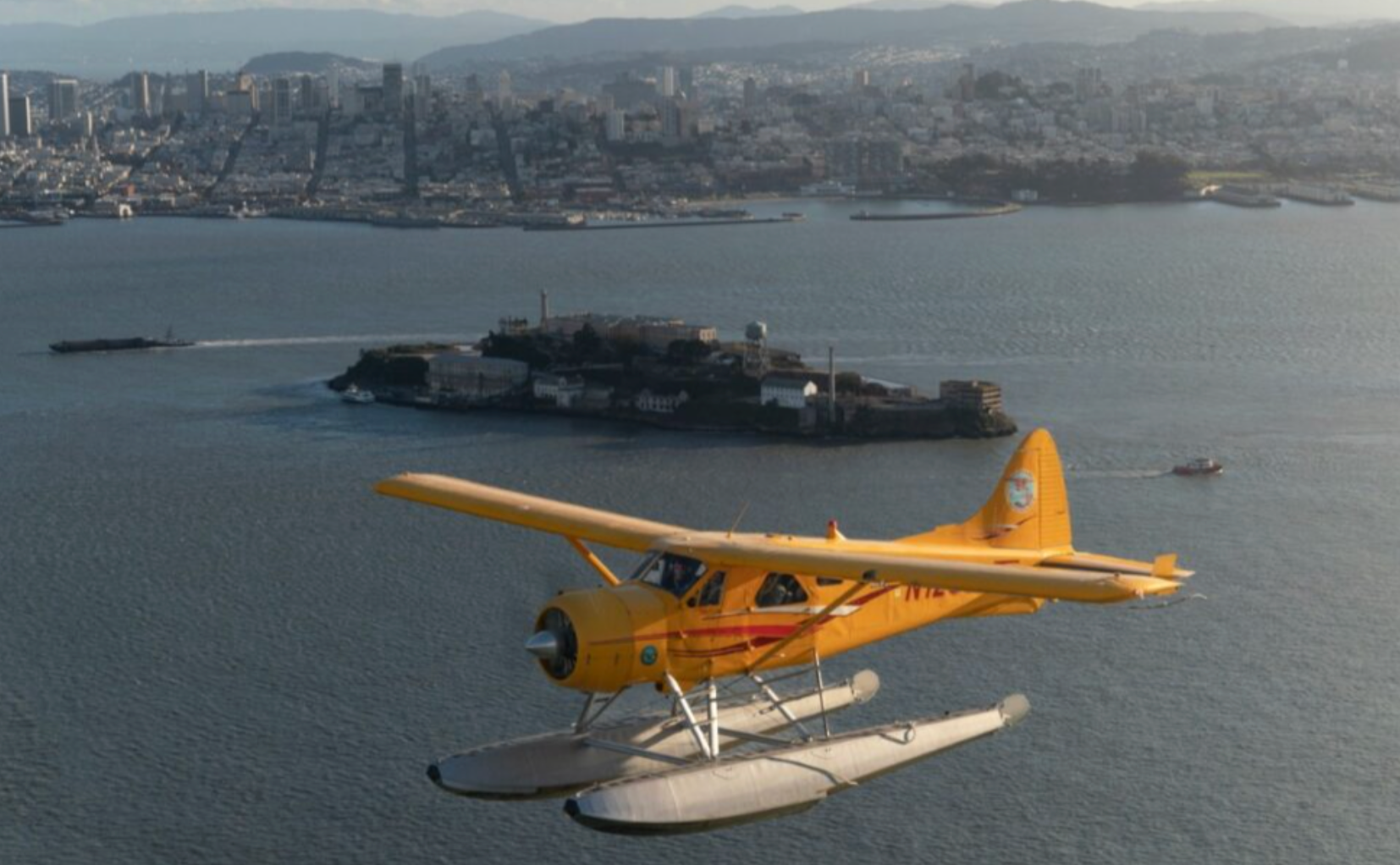
Airplane Experiences in Pinole, California
Pinole’s edge-of-bay position makes it an understated launch point for short scenic flights, private charters, and training hops that show the San Francisco Bay from a low, intimate angle. Expect low-altitude coastal light, broad tidal marshes, and quick access to regional general-aviation airfields and charter operators—ideal for photo sorties, aerial surveys, and first-time flightseeing.
Top Airplane Trips in Pinole
18 trips • Book with confidence • Instant confirmation
Why Pinole Is an Exceptional Base for Airplane Adventures
There’s an odd, private kind of theater to flying out of Pinole—less the roar of jetliners than the measured hum of a single-engine airplane turning coastline into a map of details. From low over the salt marshes to quick climbs that put ridge-lines and urban grids into a single field of view, airplane experiences here take the Bay’s familiar geography and rearrange it into sequences: a ribbon of highway, a patchwork of wetlands, the abrupt blue of open water.
The magic is in the transitions. Morning departures often push you through a shallow layer of fog clinging to the bay and then into clean, crisp light where sunlight bristles off tidal channels. Afternoon flights may hold a softness—hazy sun, low angles—that photographers prize for long shadows over sculpted mudflats. Flying from Pinole is rarely about distance; it’s about proximity and perspective. Short flights of 20–60 minutes are common, meaning this is an activity that suits a schedule as comfortably as it does a sense of curiosity. You can combine a quick aerial photo run with an afternoon of shoreline walks, or pair a training hop with kayak time on the bay: the airplane becomes an enabler, not an isolated pursuit.
There’s also a cultural cadence to the experience. General aviation around the East Bay emphasizes small-operator craft and personalized service—pilots who know the best approach for light conditions, who will taxi you into a hangar to look at maps and point out landmarks. For visitors, that translates into clear decisions about when to fly (mornings for clarity, late afternoons for light), what to bring (camera and layers), and how to plan the day so weather and tides complement one another. Environmental sensitivity matters, too: low flights over nesting areas or wildlife refuges are typically restricted, and conscientious operators route tours to avoid disturbance. Finally, Pinole's scale is a feature: you don’t have to cross a continent to feel transported. In a single short sortie you can see the interplay of urban edge, tidal ecosystems, and the broader Bay Area skyline—an efficient, immediate way to read the region’s geography and climate from above.
Short scenic flights dominate: 20–60 minute sorties over the bay and shoreline are the most common product.
Private-charter hops and flight instruction often operate from nearby general-aviation fields within a short ground drive.
Weather—especially bay fog and wind—drives scheduling. Mornings are typically calmer and clearer for photography.
Operators emphasize environmental routing to minimize disturbance to marshes and bird habitat.
Best Time to Visit
Best Months
Weather Notes
The clearest flying windows in the Bay Area often appear in late spring and early fall; mornings usually offer better visibility before bay fog dissipates. Wind and low ceilings can cancel or delay flights—operators will rebook in marginal conditions.
Peak Season
Late spring through early fall offers the most consistent day-to-day clarity for sightseeing flights.
Off-Season Opportunities
Winter and early spring flights can offer dramatic light after storms and quieter scheduling, but expect occasional cancellations due to rain, low clouds, or strong winds.
Frequently Asked Questions
Do I need a pilot’s license to book a sightseeing flight?
No. Sightseeing and charter flights are operated by licensed pilots; passengers do not need any qualifications beyond standard ID requirements.
Are there wildlife or noise restrictions I should know about?
Yes. Many operators observe voluntary or regulatory routing to avoid nesting areas and noise-sensitive neighborhoods. Expect your pilot to follow a course that balances sightlines with environmental considerations.
How far in advance should I book a flight?
For weekend slots and peak-season mornings, book at least a week in advance. For weekday or last-minute flights, contact operators directly—some can accommodate shorter lead times depending on availability.
What happens if weather cancels my flight?
Operators typically offer rebooking or refunds for weather cancellations. Confirm the policy when you book so you know the options.
Choose Your Experience Level
Beginner
First-time flyers and visitors seeking a short aerial orientation of the Bay. These experiences emphasize comfort, scenic windows, and pilot narration rather than long-distance routing.
- 20–30 minute bay sightseeing flight
- Introductory aerial photography sortie
- Short coastal hop with pilot commentary
Intermediate
Passengers who want a longer, more focused flight—perhaps for photography, a short charter to a nearby airfield, or participation in a discovery flight where you sit in the pilot seat under supervision.
- 45–60 minute photo-oriented flight over tidal marshes
- Short private charter to a neighboring coastal town
- Discovery flight with hands-on time under instructor supervision
Advanced
Licensed pilots and experienced flyers looking for cross-country hops, instrument training windows, or specialized aerial work such as surveying and cinematography (often requiring operator permits and coordination).
- Cross-country training flights from local general-aviation fields
- Aerial survey or cinematography missions coordinated with a certified operator
- Advanced instrument or multi-leg charter operations
Insider Tips & Local Knowledge
Book morning windows, check weather closely, and choose an operator who prioritizes environmental routing.
Aim for the first flight of the day for the best visibility and calmer winds. Bring a small padded camera case rather than a tripod—space is limited in light aircraft. Ask your operator about preferred approach corridors to avoid sensitive wildlife areas; responsible pilots will explain routing. If aerial photography is your goal, request a seat on the side of the aircraft you think will face the shoreline (operators can usually advise based on the planned route). Expect short pre-flight briefings; listen for weight-and-balance and safety instructions, and secure loose items. Finally, consider combining an aerial trip with a shoreline activity—low-altitude perspective followed by a hands-on experience ashore (birding, kayaking, or a coastal hike) makes the day feel complete.
What to Bring
Essential
- Government ID (for chartered flights or airport security where required)
- Layered clothing; it can be significantly cooler in the air
- Sunglasses and sun protection
- Compact camera with secure strap or a smartphone with ample storage
- Motion-sickness medication if you are prone to airsickness
Recommended
- A small soft-case or padded camera bag (hard cases are often cumbersome in small cabins)
- Noise-reducing earplugs or a headset if not provided
- Light windbreaker or insulating mid-layer
- Binoculars for spotting shorebirds and boating traffic
Optional
- Portable battery pack for devices
- Polarizing filter or lens cloth for photography
- A small notebook for notes on landmarks and flight instructions
Ready for Your Airplane Adventure?
Browse 18 verified trips in Pinole with instant booking
Explore Top 15 Pinole, California Adventures →